
You cleanse, you moisturize, you use that serum you spent real money on — but your skin still looks like it's holding a protest rally. If you have acne-prone skin, you already know the frustration. You're following the steps, so why won't your skin cooperate?
I hear this question constantly. The answer is often frustratingly simple: a few everyday habits you don't think twice about may be working against you. Here are four routine mistakes that can keep acne-prone skin from ever fully clearing up, backed by what dermatologists actually see in their clinics every day.
1. Over-cleansing and stripping the barrier
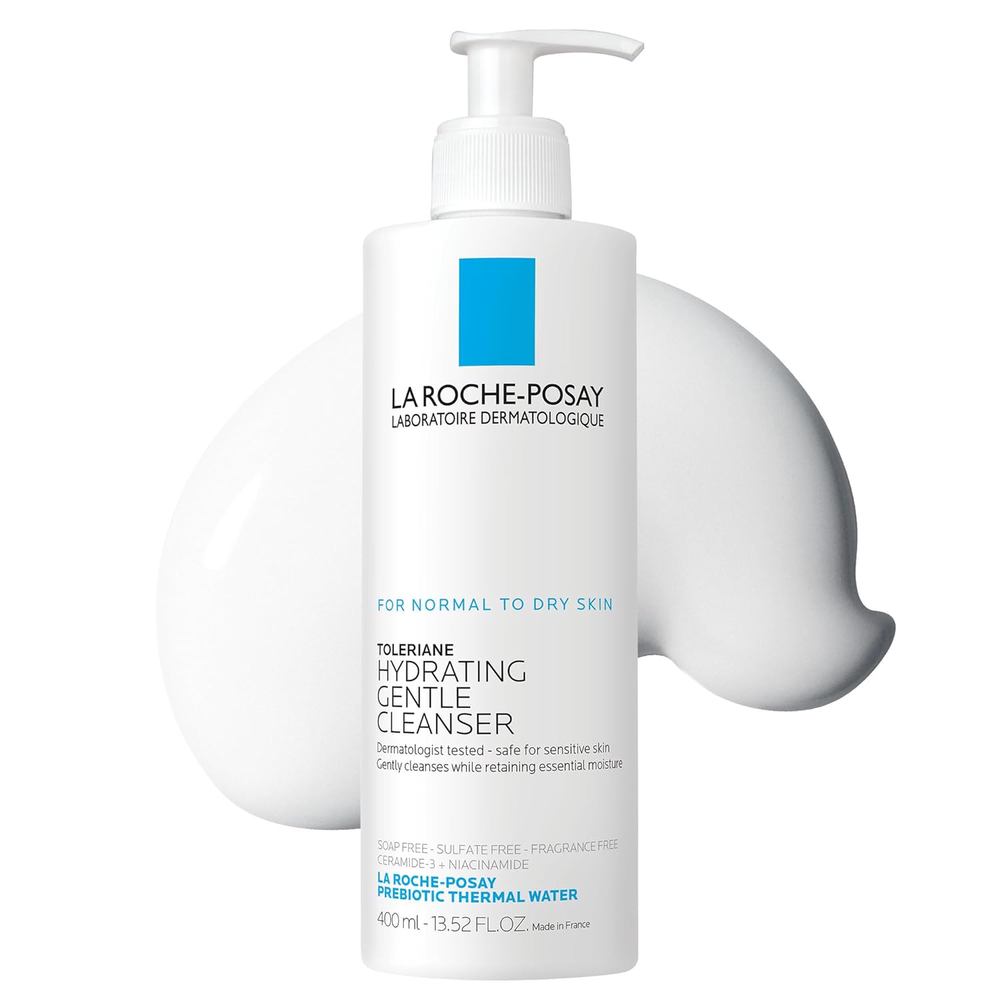
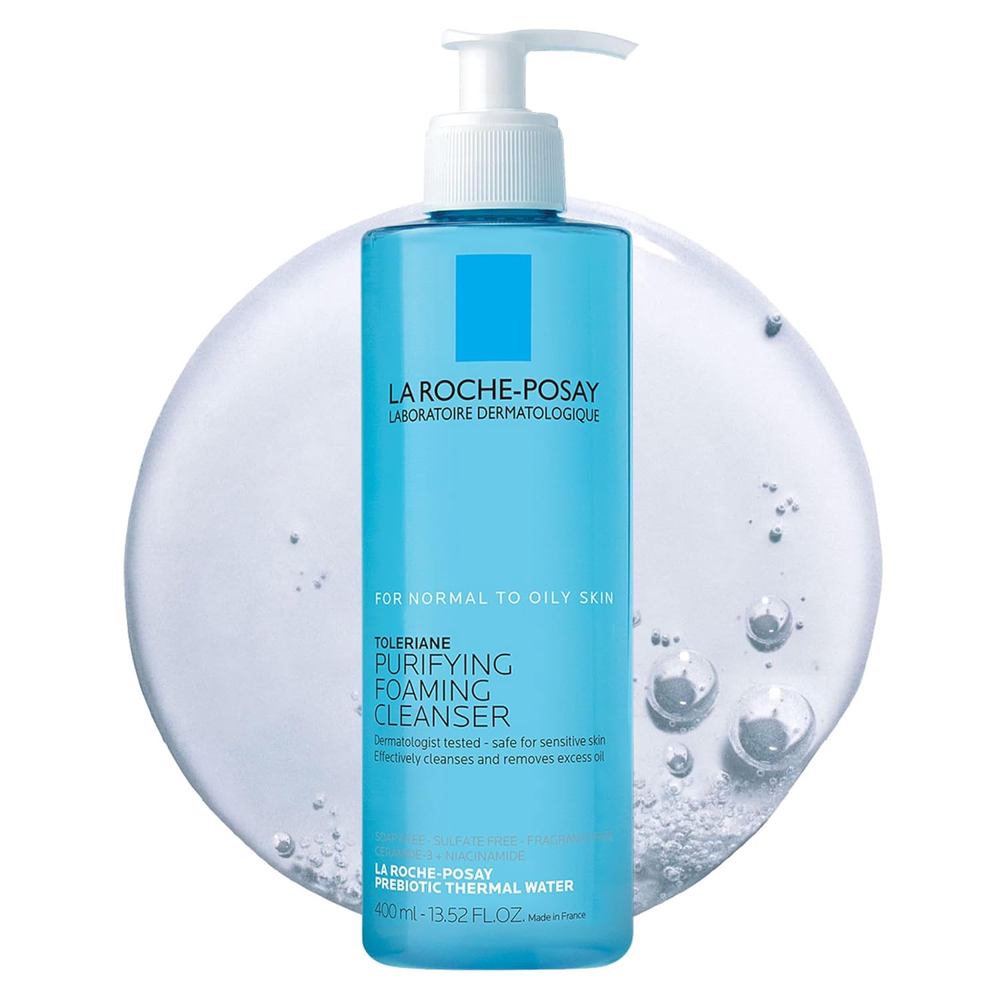
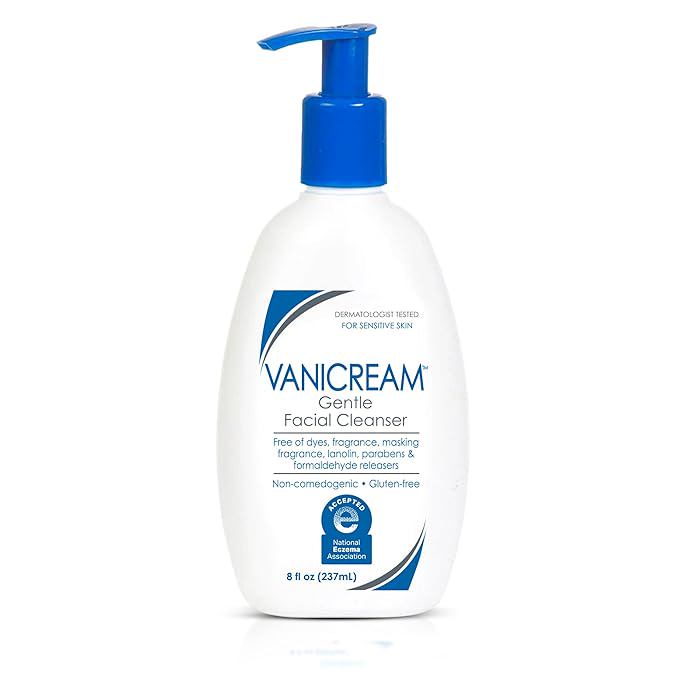
It feels logical: you have oil and breakouts, so you should wash your face more often, maybe with a stronger cleanser. But over-cleansing does the opposite of what you want. When you strip the skin of its natural oils with harsh surfactants or over-scrubbing, the barrier gets damaged. In response to dehydration, your skin can actually produce more oil to compensate — a rebound effect that fuels more breakouts. A gentle, non-stripping cleanser used twice daily is enough; anything more frequent or aggressive tends to backfire.
2. Skipping moisturizer (or using the wrong texture)
Another well-meaning but counterproductive habit: skipping moisturizer because you're oily or acne-prone. Every skin type needs hydration, including yours. When the barrier is dry and impaired, it's more vulnerable to irritation and bacteria. The trick is choosing a lightweight, oil-free, non-comedogenic moisturizer — avoid thick creams or butters. Gel-based or water-based formulas deliver hydration without clogging pores. Dry, dehydrated skin cannot heal well, so moisturizing is non-negotiable.
3. Introducing actives too fast, too many at once
I see this one a lot. Someone gets a new salicylic acid cleanser, a retinol, and a vitamin C serum all at the same time. They use them every night, hoping for faster results. Within days, the skin is red, stinging, and breaking out even more — a classic case of compromised barrier leading to reactive acne. Actives are powerful tools, but the rule is: introduce one new product at a time, start with 2–3 times per week, and buffer (apply moisturizer before the active) if irritation occurs. Patience is boring but necessary.
A quick tip: If your skincare routine stings or feels tight after cleansing, your barrier is likely compromised. Pause all exfoliating and retinoid products for a few days and focus strictly on gentle hydration and barrier repair.
4. Using products that are actually comedogenic
Even products labeled "for acne-prone skin" can contain ingredients that clog pores for some individuals. Common offenders include heavy emollients like coconut oil, shea butter, certain silicones (in high concentrations), and fatty alcohols (cetearyl alcohol, cetyl alcohol) that some people find congesting. Not everyone reacts to these, but if your skin isn't clearing despite a seemingly perfect routine, check the full ingredient list — especially your moisturizer and sunscreen. Look for labels that say "non-comedogenic" or "won't clog pores," though even then, ingredients can vary by formulation.
Fixing these four habits won't transform your skin overnight, but they address the most common roadblocks I see in the dermatology space. If you're already doing all this and still struggling, it's worth consulting a board-certified dermatologist. Sometimes, topical routines alone can't overcome underlying factors like hormonal imbalances or bacterial issues that require prescription treatment. The goal is to build a routine that supports your skin's natural function, not fight against it.