
Eating for gut health doesn't have to mean bland meals or complicated prep. When you lean into what's fresh and in season, you naturally get more fiber, antioxidants, and prebiotic compounds that help your digestive system run smoothly. The trick is knowing how to weave those ingredients into your dinners without overhauling your entire routine. Below are four straightforward ways to bring seasonal produce into your evening meals, each one designed to support a healthier gut.
1. Swap refined grains for roasted seasonal veggies as a base
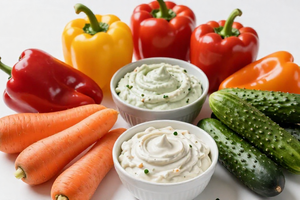
Instead of serving dinner over rice or pasta, try a bed of roasted vegetables. Think cubed butternut squash, cauliflower florets, or wedges of carrots and parsnips. Roasting brings out natural sweetness and softens the fiber, making it easier to digest while still feeding your gut microbes. Toss them with olive oil, salt, and pepper, then roast at 400°F until tender and caramelized. You can add a quick tahini or yogurt sauce for depth. This one swap increases your vegetable intake significantly without extra effort.
2. Use a seasonal slaw as a tangy, probiotic-rich side
A crunchy slaw made from shredded cabbage, fennel, or kohlrabi is an easy way to add prebiotic fiber to any plate. For a gut-friendly dressing, whisk together olive oil, apple cider vinegar, a bit of Dijon mustard, and a splash of lemon juice. Let the slaw sit for 10 minutes after tossing—this softens the vegetables slightly while keeping the crunch. Serving it alongside grilled chicken, fish, or legumes gives you a balanced dinner that supports digestion. The acidity also stimulates digestive enzymes naturally.
3. Finish a warm grain bowl with fresh, in-season fruit
Grain bowls are already a go-to for many, but topping them with fresh seasonal fruit adds a surprising burst of sweetness and extra fiber. Try diced apple or pear in the fall, sliced strawberries or peaches in the summer, or pomegranate arils in winter. Pair with cooked quinoa, farro, or barley, plus a protein like chickpeas or grilled tofu. A simple lemon-herb vinaigrette ties it all together. The combination of whole grains and fruit provides both soluble and insoluble fiber, which helps keep things moving through your digestive tract.
4. Blend leftover roasted vegetables into a warming soup
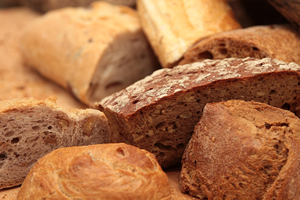
If you've roasted extra vegetables earlier in the week, turn them into a creamy, gut-friendly soup. Simply toss roasted sweet potatoes, tomatoes, or zucchini into a pot with low-sodium vegetable broth, a clove of garlic, and a pinch of cumin or ginger. Simmer for a few minutes, then blend until smooth. The natural creaminess comes from the vegetables themselves, so there is no need for heavy cream. This soup works as a starter or as a light dinner paired with a piece of crusty sourdough, which adds beneficial lactobacilli from the fermentation process.
Key considerations for gut health with seasonal produce
Seasonal produce tends to be harvested at peak ripeness, meaning it often contains higher levels of vitamins and phytonutrients. From a gut health perspective, variety matters—different vegetables feed different types of beneficial bacteria. Including a mix of colors and textures across your week is more impactful than focusing on any single superfood. Also, keep cooking methods simple: roasting, steaming, and gentle sautéing preserve more fiber and nutrients than boiling for long periods.
Listen to your body. Some people with sensitive digestion find that certain raw vegetables or high-fiber fruits can cause bloating. Cooking vegetables thoroughly and introducing new fibers gradually can help. If you are increasing your fiber intake from seasonal produce, be sure to drink plenty of water throughout the day to aid digestion.



![[10-Pack] Glass Meal Prep Containers with Lids, MCIRCO Food Storage Containers with Snap Locking Lids, Airtight Lunch Containers, Microwave, Oven, Freezer and Dishwasher](https://www.glowtheorylab.com/uploads/ad202604/141a61456fdd8860.webp)