When bell peppers are at their peak—crisp, sweet, and full of flavor—they deserve a starring role on your pizza. Whether you’re following a gluten-free diet or just looking for a lighter, vegetable-forward dinner, these four topping combinations turn simple peppers into a satisfying meal. Each idea works beautifully on a gluten-free crust (store-bought or homemade) and comes together in minutes.
Why bell peppers belong on your gluten-free pizza
Peak-season bell peppers bring natural sweetness and a satisfying crunch that holds up well under heat. They’re low in calories, high in vitamin C, and add volume without weighing down a gluten-free crust—which can sometimes be delicate. Red, orange, and yellow varieties get sweeter as they ripen, while green peppers offer a slightly grassy, savory note. Mixing colors not only looks appealing but also layers the flavor.
Pro tip: Slice peppers into thin strips or small dice so they cook evenly and don’t release too much moisture onto the crust.
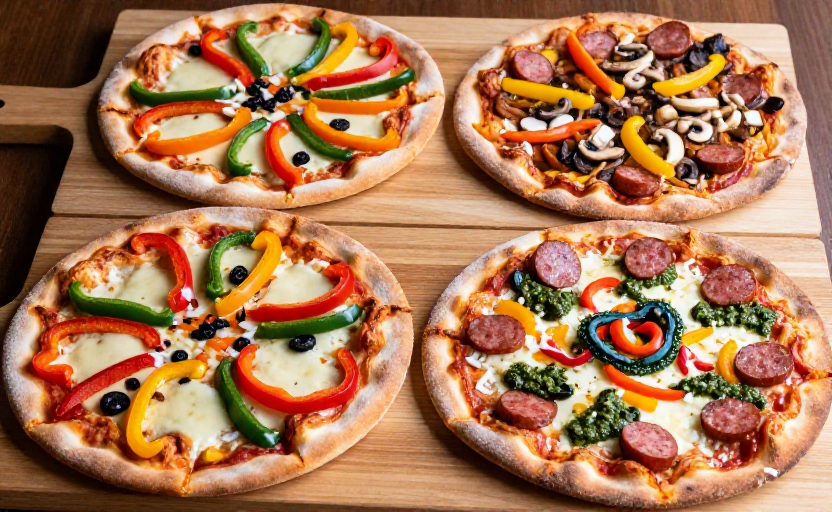
1. Bell pepper, sausage, and caramelized onion
This combination is savory and deeply satisfying. The sweetness of caramelized onions complements the bell peppers, while crumbled Italian sausage (check the label for gluten-free certification) adds protein. Use a simple tomato sauce or skip it entirely and brush the crust with olive oil. Top with shredded mozzarella or a dairy-free alternative if needed. Bake until the edges of the peppers just begin to brown.
How to build it:
- Pre-cook the sausage in a skillet, breaking it into small pieces.
- Thinly slice one medium onion and cook slowly in olive oil until golden.
- Slice one red and one yellow bell pepper into strips.
- Assemble on your gluten-free crust: sauce (optional), cheese, then sausage, onions, and peppers.
2. Roasted bell pepper and goat cheese
Roasting the peppers before adding them to the pizza deepens their sweetness and gives them a silky texture. Pair them with tangy goat cheese, which melts into creamy pockets, and finish with a sprinkle of fresh thyme or oregano. This combination works well on a white pizza—skip the tomato sauce and use a thin layer of ricotta or garlic-infused olive oil instead.
- Roast whole peppers under the broiler or over a gas flame until the skin blackens. Steam in a covered bowl for 10 minutes, then peel off the skin.
- Slice into wide strips and arrange on the pizza.
- Dot with crumbled goat cheese before baking.
Caveat: Goat cheese is naturally low in lactose, but if you’re strictly dairy-free, try a cashew-based spread.
3. Bell pepper, mushroom, and black olive
A classic vegetarian trio that feels hearty without meat. Earthy mushrooms and briny olives balance the bell pepper’s sweetness. Use a mix of mushroom varieties—cremini, shiitake, or oyster—for more depth. To prevent a soggy crust, sauté the mushrooms briefly before adding them to the pizza so they release some of their moisture.
- Slice 4–5 ounces of mushrooms and cook in a dry pan until they release liquid and start to brown.
- Slice half a green bell pepper and half a red one.
- Scatter a handful of pitted black olives (kalamata or castelvetrano).
- Use a robust marinara sauce and a blend of mozzarella and provolone.
4. Bell pepper, pesto, and chicken
Pesto provides a bright, herby base that pairs exceptionally well with bell peppers. Use either basil pesto (check for gluten-free ingredients—some brands add wheat-based thickeners) or a dairy-free version. Pre-cooked chicken breast or leftover rotisserie chicken makes this a protein-packed meal in under 20 minutes.
- Spread 2–3 tablespoons of pesto on the crust instead of tomato sauce.
- Top with shredded cooked chicken, thin bell pepper rings, and a sprinkle of pine nuts.
- Add a light layer of shredded Parmesan or Pecorino just before baking.
Tips for gluten-free pizza success
Gluten-free pizza crusts can be trickier than traditional dough. They often brown faster and can become brittle if overcooked. Keep these pointers in mind:
- Pre-bake the crust for 3–5 minutes before adding toppings. This helps create a crisp base that won’t get soggy from vegetable moisture.
- Don’t overload. Gluten-free dough doesn’t have the same structural elasticity. Spread toppings evenly and avoid piling too much weight in the center.
- Use low-moisture cheeses or pat fresh mozzarella dry with paper towels. Excess liquid from cheese can make the crust soggy.
- Bake on a preheated pizza stone or metal pan for even heat distribution.
Make it a full meal
Pair your bell pepper pizza with a simple side salad of arugula, lemon juice, and olive oil. The peppery greens contrast nicely with the sweet, roasted peppers. For a quick dressing, whisk together equal parts olive oil and lemon juice with a pinch of salt and pepper.