When inflammation flares, the last thing you want is to spend an hour in the kitchen. The good news: building a meal that supports your body’s natural balance doesn’t require complicated techniques or obscure ingredients. With the right four kitchen essentials, you can assemble a satisfying, anti-inflammatory plate in about 15 minutes flat. These are the workhorses that make quick, wholesome cooking almost automatic — no recipe card needed.
1. A high-quality extra-virgin olive oil
Extra-virgin olive oil (EVOO) is the cornerstone of an anti-inflammatory kitchen. Rich in monounsaturated fats and polyphenols like oleocanthal — which research suggests has effects similar to ibuprofen — it’s a simple swap that pays off. Drizzle it over roasted vegetables, use it as a base for vinaigrettes, or finish a bowl of beans and greens with a generous glug. The key is to buy fresh, cold-pressed oil stored in a dark bottle and to use it within a few months of opening. Avoid cooking it at very high heat; instead, save EVOO for finishing and low-to-medium heat sautéing.
2. A bag of frozen wild blueberries or mixed berries
Berries are packed with anthocyanins, the pigments that give them their deep blue and red hues. These compounds help quell oxidative stress and inflammatory markers. Because fresh berries can be expensive and spoil quickly, a bag of frozen wild blueberries is a brilliant shortcut. They are flash-frozen at peak ripeness, meaning their antioxidant content is often higher than fresh berries that have traveled long distances. Drop a handful into a morning smoothie, stir them into plain yogurt, or simmer them briefly to make a quick compote for oatmeal or savory dishes like roasted squash.
3. A quick-cooking whole grain (or pseudo-grain)
For a 15-minute meal, you need a grain that cooks fast but still delivers fiber and steady energy. Look for bulgur, quick-cooking oats, or buckwheat groats — all can be ready in under 15 minutes. Buckwheat, in particular, is a pseudo-grain that’s naturally gluten-free and contains rutin, a flavonoid linked to reduced inflammation. You can also prepare a batch of quinoa or farro on the weekend and keep it in the fridge. When building a bowl, layer the grain with dark leafy greens, a protein (like canned wild salmon or chickpeas), and your olive oil dressing for a complete meal in minutes.
4. A versatile anti-inflammatory seasoning blend
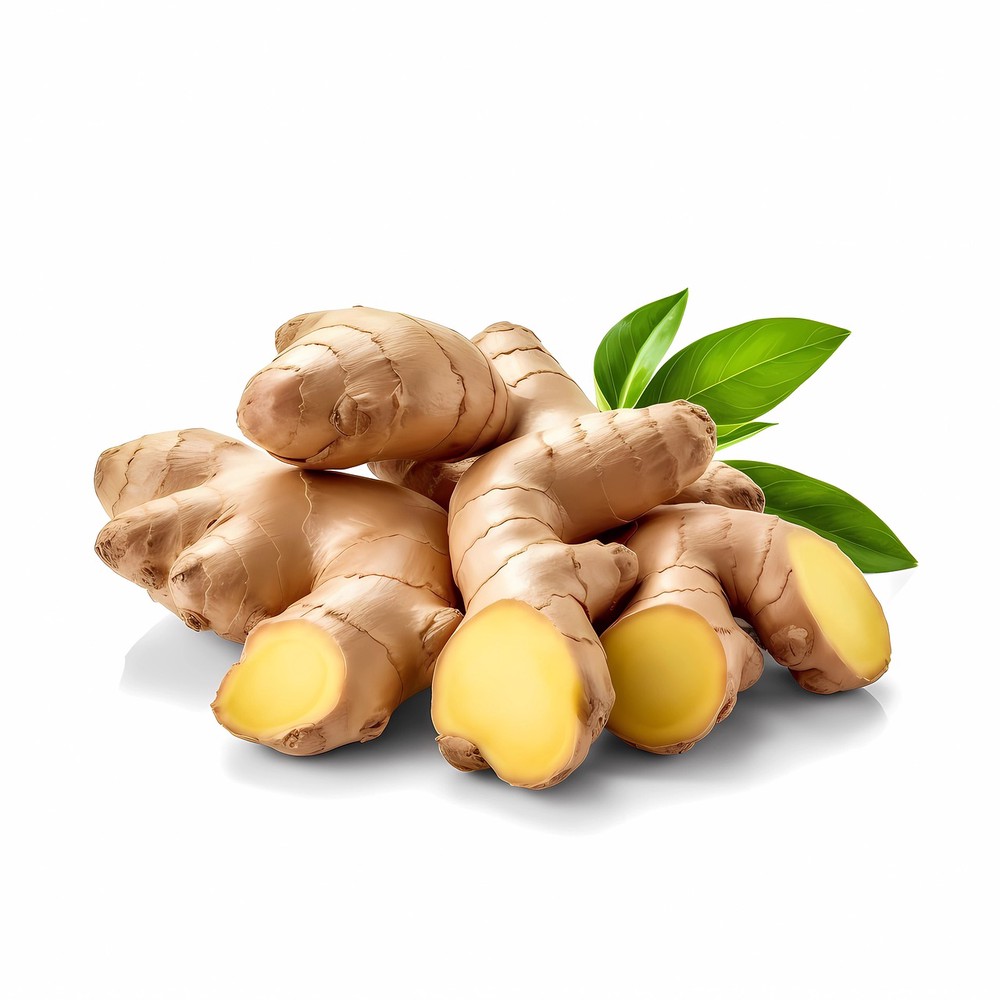
Spices are some of the most concentrated sources of anti-inflammatory compounds. Instead of hunting for ten different jars, create or buy a single blend: try a mix of turmeric, black pepper (which dramatically boosts curcumin absorption), ginger, and a touch of cinnamon or cumin. Keep this near your stove. When you’re in a hurry, you can sprinkle it onto eggs, roasted vegetables, soups, or even into a warm mug of oat milk. The black pepper is non-negotiable — it makes the turmeric much more bioavailable. A good blend turns a plain meal into a flavorful one while quietly supporting your body’s defenses.
With these four items in your pantry and fridge, you have the foundation for countless quick meals. Try a bowl of quick-cooked buckwheat, sautéed spinach in olive oil, a handful of frozen blueberries, and a sprinkle of your seasoning blend. That’s dinner in less time than it takes to order takeout — and it’s actively working for you.