
When the skin barrier is damaged, it shows. Dry patches, redness, stinging, and a feeling of tightness are all signs that the outermost layer of skin has lost its ability to protect and retain moisture. While many products promise a quick fix, simple kitchen ingredients and plant-based oils can often do the job just as well—sometimes better—without the long list of additives. Here are four natural home remedies that help restore a weakened skin barrier and bring back that healthy, resilient glow.
Why the skin barrier matters
The skin barrier, also known as the moisture barrier or lipid barrier, is the outermost layer of the epidermis. It acts like a brick wall: skin cells are the bricks, and lipids (natural oils) are the mortar. When that mortar is intact, water stays in and irritants stay out. When it weakens—due to over-exfoliating, harsh weather, hot showers, or strong soaps—the skin becomes vulnerable. Strengthening the barrier means replenishing those essential lipids.
1. Coconut oil
Coconut oil is one of the most well-tolerated natural oils for barrier repair. It is easily absorbed and contains a high concentration of medium-chain fatty acids, which can fill in gaps between skin cells. This helps lock in moisture and reduce water loss. Coconut oil also boasts natural antimicrobial properties, making it a good choice for skin that is both dry and prone to minor breakouts. Use a thin layer on damp skin after cleansing to seal in hydration.
2. Shea butter
Derived from the nuts of the African shea tree, shea butter is rich in vitamins A and E, as well as essential fatty acids. It melts at body temperature, making it easy to apply and deeply nourishing. Unrefined, organic shea butter is ideal because it retains its natural healing compounds. It can be used alone or blended with a lighter oil like coconut or almond oil for smoother spreading. Shea butter is especially helpful for rough patches, chapped cheeks, and areas where the barrier feels paper-thin.
3. Rosehip seed oil
Rosehip seed oil is a lightweight option that packs a serious punch. Extracted from the seeds of wild rose bushes, it is naturally high in essential fatty acids—linoleic and linolenic acid—as well as provitamin A (carotenoids) and vitamin C. These nutrients support the skin's natural repair processes and help reduce inflammation. Unlike heavier oils, rosehip oil absorbs quickly without leaving a greasy finish, making it suitable for those who need barrier support but dislike a heavy feel on their skin.
Quick tip: For best results, apply rosehip oil to slightly damp skin before bed. Layering it over a hydrating toner helps lock in moisture at a deeper level.
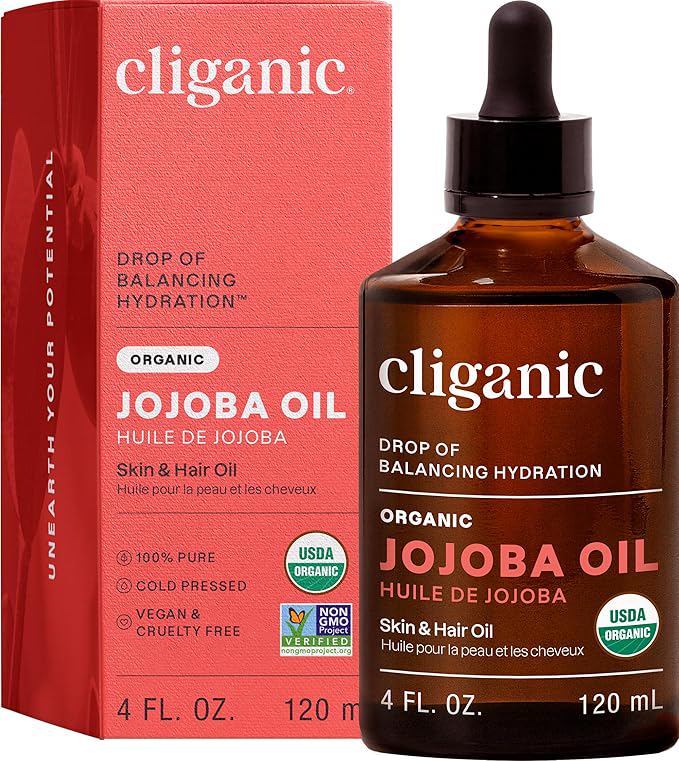
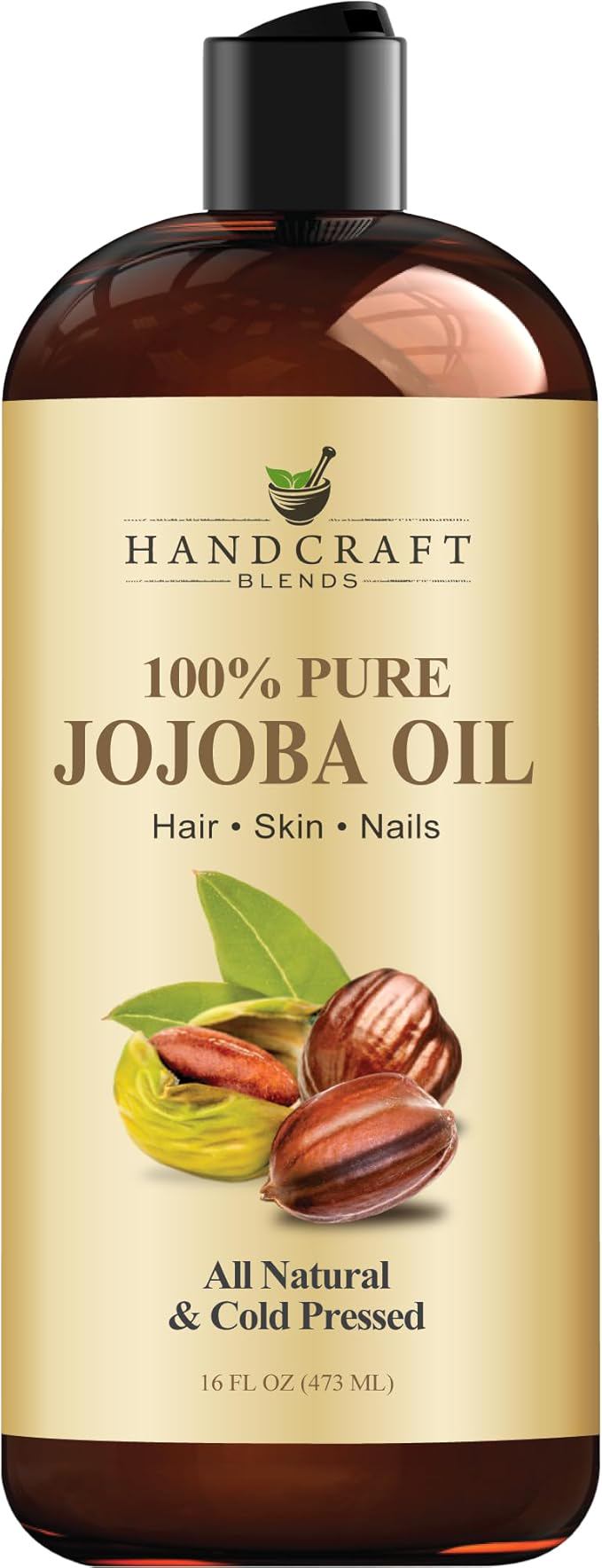
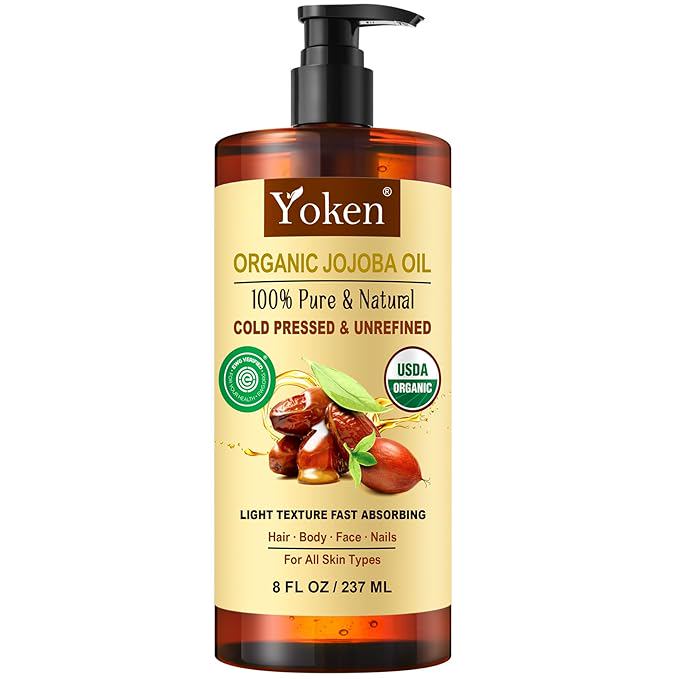
4. Jojoba oil
Jojoba oil is technically a wax ester, which means its structure is very close to the natural sebum our skin produces. This makes it exceptionally good at reinforcing the skin barrier without clogging pores. It has anti-inflammatory and wound-healing properties, which can calm redness and help skin recover from damage. Jojoba oil is also non-comedogenic, meaning it is unlikely to cause breakouts—even for those with oily or acne-prone skin. A few drops patted gently onto the face after washing can make a noticeable difference in comfort and texture.
How to use these remedies safely
Patch test any new oil on a small area of inner arm before applying it to your face. If your skin barrier is very compromised, start with just one remedy and stick with it for a week before introducing another. Apply oils after cleansing with a gentle, non-stripping cleanser and before heavier creams if you are layering products. For daytime use, allow the oil to fully absorb before applying sunscreen, since sun protection is critical while the barrier is healing.
Repairing a weakened skin barrier takes patience. These four home remedies are safe, natural, and backed by the properties our skin needs to rebuild its protective shell. With consistent use, you will likely notice softer, calmer, and more resilient skin within a couple of weeks.