Post-inflammatory hyperpigmentation (PIH) – those flat spots of discoloration left behind after a pimple, wound, or rash heals – can be stubborn. While sunscreen and topical treatments are frontline defenses, what you eat matters too. Dermatologists point to four food categories that, when included regularly in a balanced diet, may help support the skin’s natural fading process from the inside out.
Why food matters for post-inflammatory marks
Post-inflammatory marks form when the skin produces excess melanin in response to inflammation. The goal of any dietary strategy is twofold: reduce ongoing inflammation so new marks are less likely, and support healthy cell turnover so existing pigment fades faster. No single food erases a mark overnight, but consistent nutrition can create a skin environment where healing happens more efficiently.
The evidence comes largely from the nutritional compounds in these foods – antioxidants, anti-inflammatory agents, and vitamin cofactors – not from the whole foods themselves being a “cure.” With that context in mind, here are the four categories dermatologists most often mention.
1. Vitamin C-rich fruits
Vitamin C is a critical cofactor in collagen synthesis and also inhibits the enzyme tyrosinase, which is directly involved in melanin production. Eating foods high in vitamin C may help brighten hyperpigmentation over time.
Best sources include:
- Citrus fruits (oranges, grapefruit, lemons)
- Kiwi
- Strawberries
- Bell peppers (especially red ones)
- Broccoli and Brussels sprouts
Aim to include at least one serving at most meals. A breakfast smoothie with kiwi and strawberries or a lunch salad with bell peppers provides a steady supply without needing supplements.
2. Foods rich in polyphenols and antioxidants
Polyphenols are plant compounds that reduce oxidative stress, a key driver of chronic inflammation and post-inflammatory pigmentation. Diets high in polyphenols help regulate the inflammatory cascade that triggers melanocyte activity in the first place.
Especially helpful choices:
- Green tea (contains epigallocatechin gallate, EGCG)
- Dark chocolate (70% cocoa or higher)
- Berries (blueberries, blackberries, raspberries)
- Turmeric (paired with black pepper for absorption)
- Soy and green tea have both been studied specifically for impact on pigmentation disorders
A cup of green tea daily and a handful of berries in your oatmeal can add up over weeks of consistent eating.
3. Omega-3 fatty acid sources
Omega-3s are powerful anti-inflammatory nutrients. They help lower systemic inflammation, which can reduce the intensity of post-inflammatory reactions in the skin. When a pimple or injury causes less inflammation, the resulting pigment mark is often smaller and fades faster.
Top dietary sources:
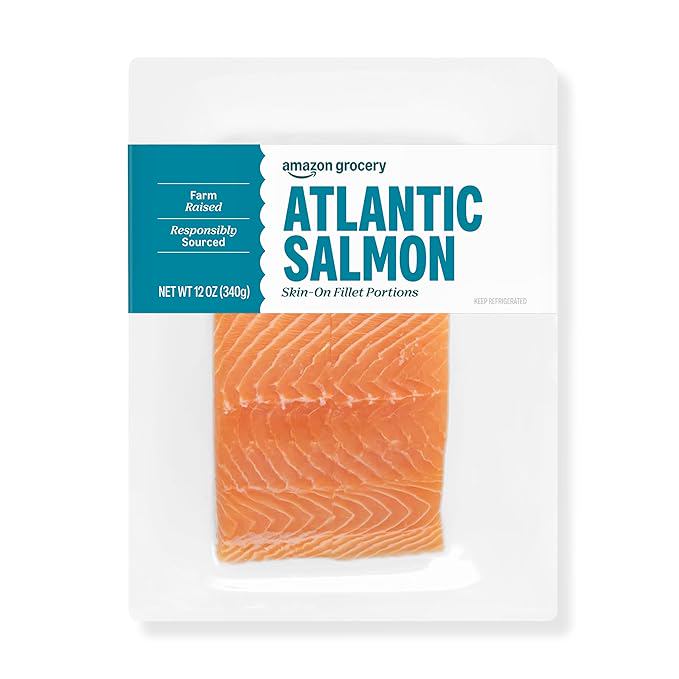
- Fatty fish (salmon, mackerel, sardines, anchovies)
- Flaxseeds and chia seeds
- Walnuts
- Hemp seeds
Twice-weekly servings of fatty fish cover your needs. Plant-based eaters can use flaxseed oil or ground flax as a daily staple.
4. Vitamin E and zinc-rich foods
Vitamin E is a fat-soluble antioxidant that protects cell membranes from oxidative damage. Zinc supports wound healing and immune function, both essential for clearing damaged skin cells and making room for new, evenly pigmented tissue.
Combined sources include:
- Sunflower seeds and almonds (vitamin E)
- Pumpkin seeds (zinc)
- Chickpeas and lentils (zinc)
- Spinach and kale (both vitamins and minerals)
A small handful of pumpkin seeds and almonds makes a portable snack that delivers both nutrients.
Bringing it together: a sample approach
You don’t need to overhaul your entire diet. Simple shifts can help:
- Start your morning with a bowl of oatmeal topped with berries and flaxseed.
- Have a side salad with bell peppers and pumpkin seeds at lunch.
- Include salmon or mackerel twice a week for dinner.
- Sip green tea in the afternoon instead of a sugary drink.
Consistency matters more than perfection. These foods support general skin health and help fade post-inflammatory marks gradually.
What about supplements?
Some people ask whether taking high-dose vitamin C or fish oil capsules works faster. While supplements can help correct deficiencies, whole foods provide a complex mix of nutrients that work synergistically. If you do choose supplements, consult a healthcare professional – this article is for educational purposes only and does not replace medical advice. The goal is always to support your skin’s health through a well-rounded diet.
By focusing on these four food categories, you give your skin the tools it needs to repair and return to a more even tone. Patience is key: visible changes typically take several weeks to months. Combine good nutrition with sun protection and gentle skincare for the best results.