
Hyperpigmentation can be stubborn. Whether it is leftover acne marks, sun spots, or age-related discoloration, many of us are looking for gentle ways to even out our skin tone. The good news is that certain foods, supported by research, contain compounds that may help fade dark spots naturally from the inside out. While no single food is a magic eraser, incorporating these into a balanced diet can support your skin's natural repair processes.
Below are four evidence-backed foods that have shown promise in reducing hyperpigmentation and promoting a more radiant complexion. Remember, consistency and overall sun protection are key partners in this effort.
1. Citrus Fruits: Vitamin C Powerhouses
When it comes to brightening skin and fading dark spots, vitamin C is one of the most researched nutrients. Citrus fruits like oranges, lemons, grapefruits, and kiwis are loaded with this potent antioxidant.
How They Help
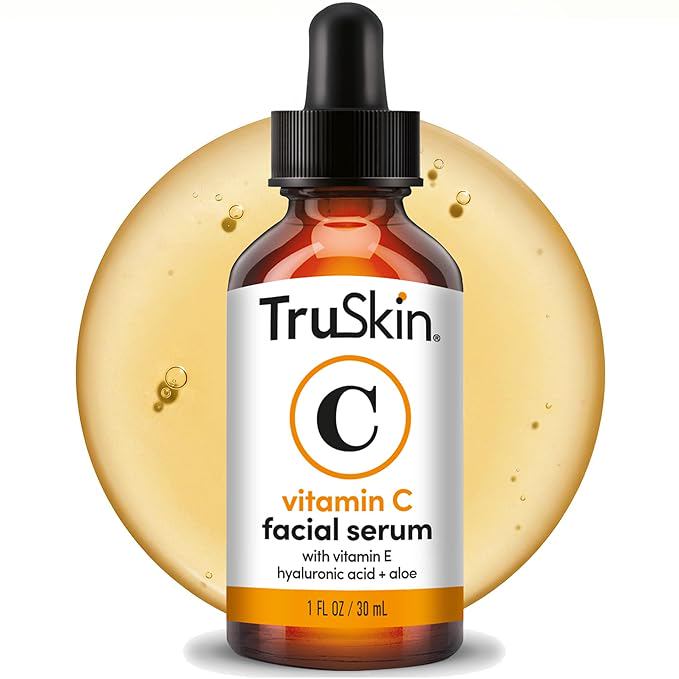
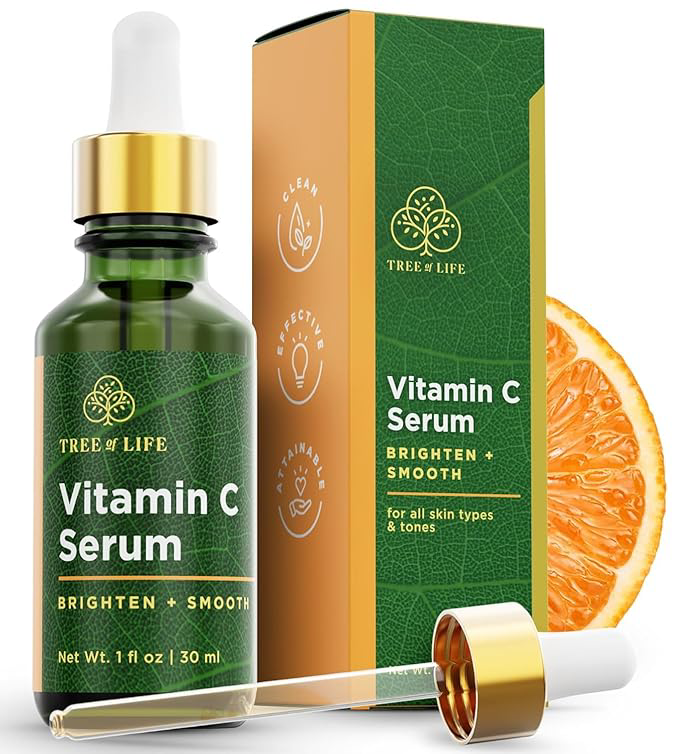
Vitamin C inhibits the enzyme tyrosinase, which is responsible for melanin production. By slowing down melanin synthesis, it can help prevent new spots from forming and gradually lighten existing ones. A study published in the Journal of Clinical and Aesthetic Dermatology notes that topical vitamin C is effective for hyperpigmentation, but dietary intake also supports the skin's antioxidant network and collagen production, which is vital for an even skin tone.
Tip: Squeeze fresh lemon into your water, add grapefruit segments to your salad, or enjoy an orange as a snack. The vitamin C is most potent when the fruit is fresh.
2. Tomatoes: Rich in Lycopene
Tomatoes get their vibrant red color from lycopene, a powerful carotenoid antioxidant. Research suggests lycopene can offer some natural protection against UV-induced skin damage, which is a major cause of dark spots.
How They Help
While lycopene isn't a sunscreen, it helps neutralize free radicals generated by UV exposure. By reducing oxidative stress, it supports the skin's ability to repair itself. A 2017 study in Scientific Reports found that participants who consumed a lycopene-rich tomato paste daily experienced 33% more protection against sunburn compared to a control group. Cooked tomatoes (like in sauces or tomato paste) actually have higher bioavailable lycopene than raw ones.
3. Green Tea: A Polyphenol Powerhouse
Green tea is celebrated for its high concentration of catechins, particularly epigallocatechin gallate (EGCG). These compounds have strong anti-inflammatory and antioxidant properties that can be beneficial for skin health.
How They Help
EGCG has been shown to reduce the activity of tyrosinase, similar to vitamin C, and it can also inhibit the process of melanin transfer to skin cells. A 2020 review in the journal Molecules concluded that green tea polyphenols demonstrate significant potential for treating pigmentation disorders, though more human studies are needed. Drinking unsweetened green tea daily is a simple way to incorporate this.
Tip: Aim for 1–3 cups of freshly brewed green tea per day. Let it steep for 3–5 minutes without boiling the water to preserve the catechins.
4. Soy-Rich Foods: Isoflavones for Even Tone
Soy contains isoflavones, such as genistein and daidzein, which are plant compounds that mimic some of the effects of estrogen in the body. These isoflavones have been studied for their ability to improve skin tone and reduce pigmentation.
How They Help
Soy isoflavones can inhibit the transfer of melanin from melanocytes to skin cells. A study in the Journal of the American Academy of Dermatology found that a soy-based moisturizer was effective in improving the appearance of uneven skin tone and mild hyperpigmentation. While the research is stronger for topical application, eating whole soy foods (like edamame, tofu, and tempeh) provides antioxidant benefits that support overall skin health.
What to Keep in Mind
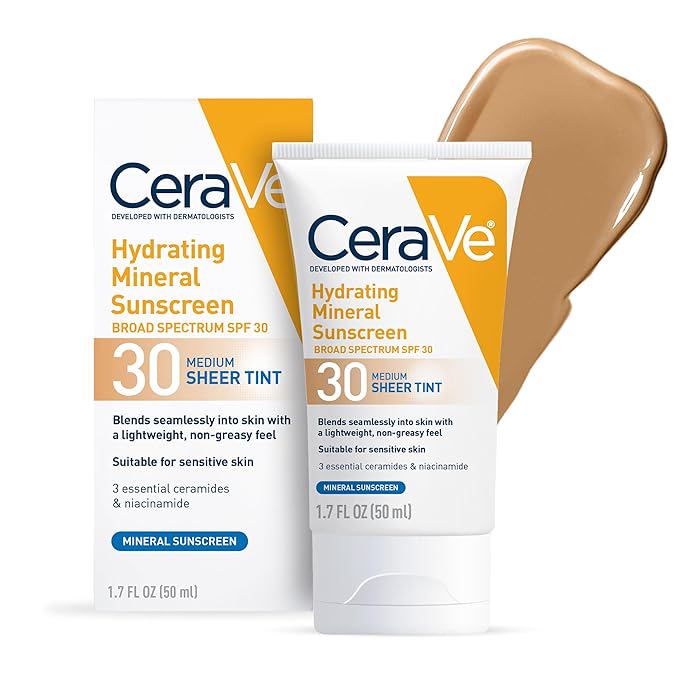
These foods are not a cure for deep or resistant hyperpigmentation. They work best as part of a comprehensive skin care routine that includes daily broad-spectrum sunscreen (SPF 30 or higher), a good moisturizer, and possibly topical serums recommended by a dermatologist. If you have a medical condition or take medication (especially blood thinners, which can interact with vitamin K in green tea), consult your doctor before making significant dietary changes.
Consistency is far more important than quantity. Aim to include one or two of these foods in your daily diet rather than trying to consume large amounts all at once. Healthy, glowing skin is a long-term game, and your plate is a powerful tool.