Skin redness—whether from occasional sensitivity, rosacea, or environmental stress—can feel stubborn and hard to soothe. While topical serums and creams have their place, what you put on your plate may matter just as much. According to dermatologists and nutrition researchers, certain foods contain compounds that help calm inflammation from the inside out, targeting the root causes of flushed or irritated skin.
Below, we break down four expert-backed foods that can help reduce redness and support a calmer, more even complexion. No prescriptions, no complicated protocols—just real, whole foods that work with your body's natural processes.
How Food Affects Skin Redness
Redness typically signals inflammation in the skin's blood vessels. When your immune system detects an irritant—UV exposure, allergens, stress, or certain foods—it triggers a cascade of inflammatory compounds. Over time, this can leave blood vessels dilated and skin looking persistently flushed or blotchy.
Anti-inflammatory foods work by supplying antioxidants, polyphenols, and essential fatty acids that help quell that immune response. Think of them as internal coolants. By adding targeted ingredients to your diet, you give your skin the raw materials it needs to repair its barrier and reduce visible redness.
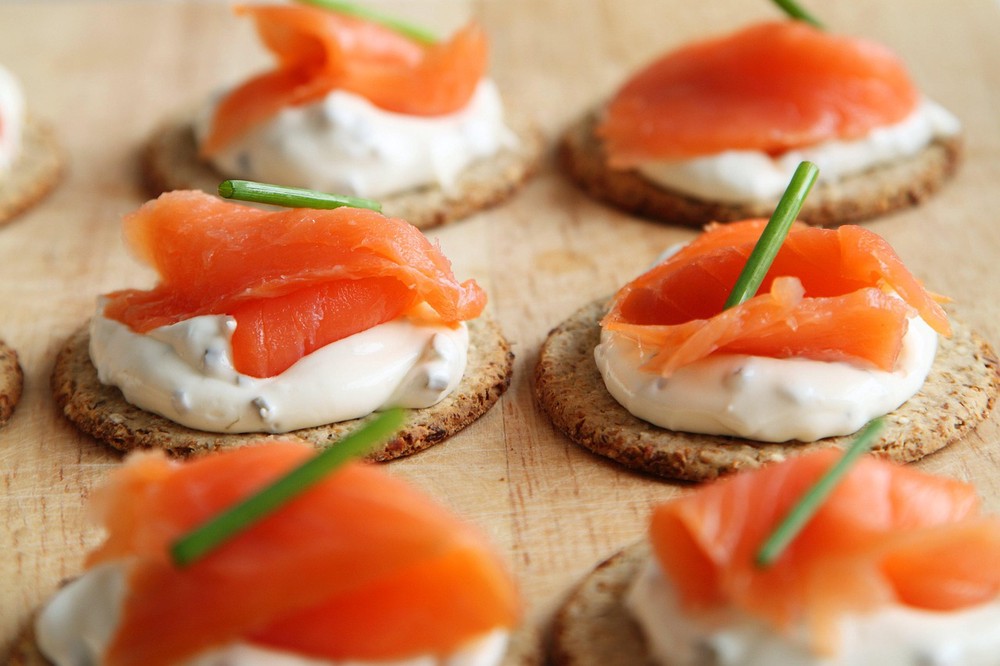
1. Fatty Fish: Omega-3 Power for Calm Skin
Fatty fish like salmon, mackerel, sardines, and anchovies are among the most potent anti-inflammatory foods you can eat. They're rich in omega-3 fatty acids—specifically EPA and DHA—which your body uses to produce anti-inflammatory signaling molecules called resolvins and protectins.
Expert tip: Aim for two servings of fatty fish per week. Canned sardines or wild-caught salmon are convenient, budget-friendly options.
A 2022 review in Nutrients found that higher omega-3 intake was associated with reduced inflammatory markers in people with skin conditions like psoriasis and atopic dermatitis. While not a cure, the consistent anti-inflammatory effect can visibly tone down redness over several weeks.
If you don't eat fish, consider a high-quality algae-based omega-3 supplement. But for whole-food sources, nothing beats fatty fish for bioavailability.
2. Leafy Greens: Quercetin and Vitamin K
Dark leafy greens—spinach, kale, Swiss chard, collard greens—are loaded with quercetin, a flavonoid antioxidant that acts as a natural antihistamine. Quercetin helps stabilize mast cells, which are immune cells that release histamine and contribute to facial flushing and redness.
These greens also provide vitamin K, which supports healthy blood vessel function. Stronger, more elastic capillaries are less prone to dilation that shows as redness on the surface.
Try adding a handful of spinach to a morning smoothie or sautéing kale with garlic as a side dish. Consistency matters: a single salad won't do it, but daily inclusion of leafy greens can shift your skin's baseline over time.
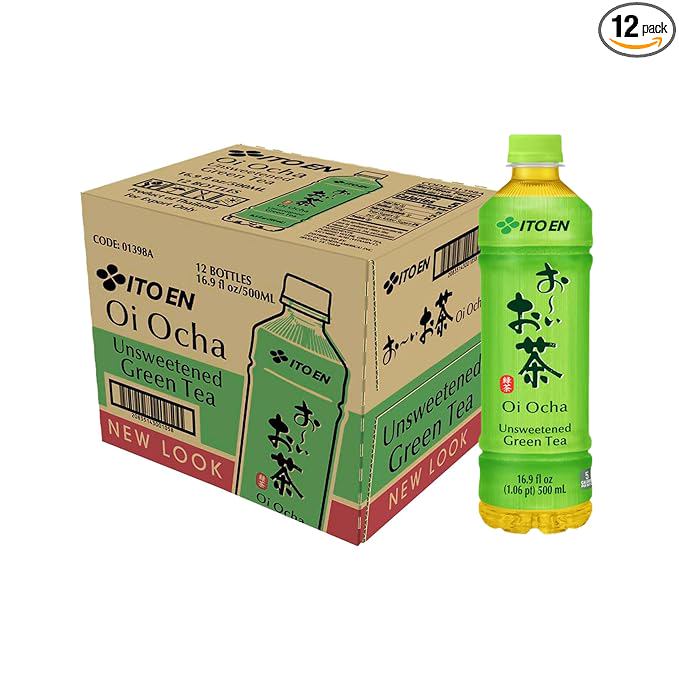
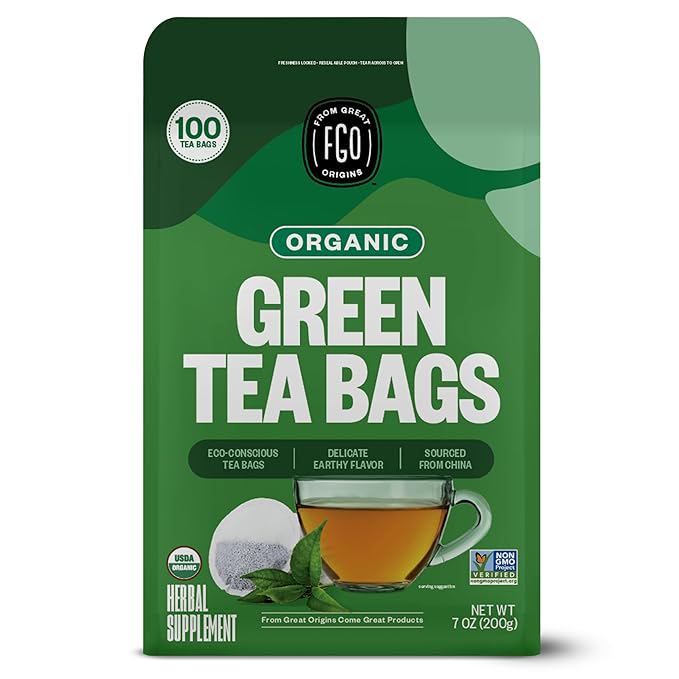
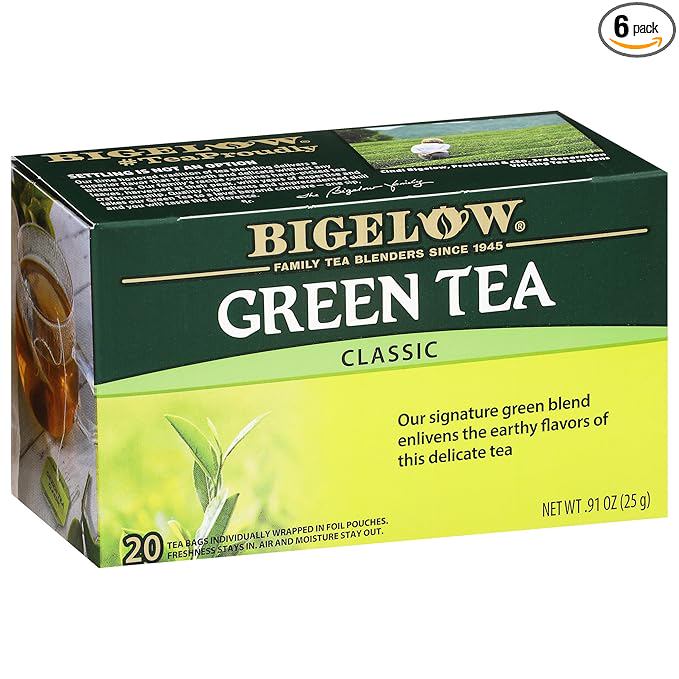
3. Green Tea: EGCG for Soothing Inflammation
Green tea's star compound, epigallocatechin-3-gallate (EGCG), is one of the most researched polyphenols for skin health. EGCG suppresses inflammatory cytokines—the chemical messengers that tell blood vessels to dilate and turn red.
A 2019 study in the Journal of Investigative Dermatology showed that topical EGCG reduced UV-induced redness in human skin, but drinking green tea provides systemic benefits too. The antioxidants circulate through your bloodstream and reach the dermal layer, helping to calm redness from UV exposure and environmental pollutants.
Tip: Steep loose-leaf green tea for 2–3 minutes in water that's just below boiling (about 175°F) to avoid bitterness. Drink 1–2 cups daily for best results.
Matcha, a powdered form of green tea, offers an even more concentrated dose of EGCG because you consume the whole leaf.
4. Berries: Anthocyanins That Fight Flushing
Blueberries, strawberries, raspberries, and blackberries owe their deep colors to anthocyanins—a class of antioxidants that reduce blood vessel permeability and inflammation. Clinical research suggests that diets rich in anthocyanins can lower C-reactive protein (CRP), a systemic marker of inflammation that often correlates with skin redness.
Berries also deliver vitamin C, which is essential for collagen synthesis. Stronger collagen means a more resilient skin barrier, which is less likely to become irritated and red in the first place.
Enjoy them fresh, frozen (which retains nutrients), or blended into a smoothie with that spinach we mentioned earlier. Frozen berries are often more affordable and just as nutritious as fresh.
Bringing it together: No single food is a magic bullet. True skin calm comes from a dietary pattern that consistently includes anti-inflammatory foods while limiting triggers like excess sugar, alcohol, and processed oils. Start with these four foods—fatty fish, leafy greens, green tea, and berries—and watch how your skin responds over a few weeks.
If you have persistent redness that doesn't improve with dietary changes, consult a dermatologist to rule out underlying conditions like rosacea, eczema, or contact dermatitis. Food can be a powerful ally, but it works best as part of a comprehensive skincare approach.