If you've ever felt like your skin has a mind of its own—shiny by noon, prone to stubborn breakouts, and sensitive to just about everything—you're hardly alone. Oily skin and acne often go hand in hand, and while your skincare routine matters, what you put on your plate can be just as influential. The link between diet and skin health is real, and certain foods can help calm oil production, reduce inflammation, and support a clearer complexion from the inside out.
Below are four food categories that research and dermatologic experience point to as allies for balancing oily skin and minimizing acne flare-ups. They work by targeting underlying drivers like insulin spikes, oxidative stress, and inflammation—without requiring a complete dietary overhaul.
1. Omega-3-Rich Fish
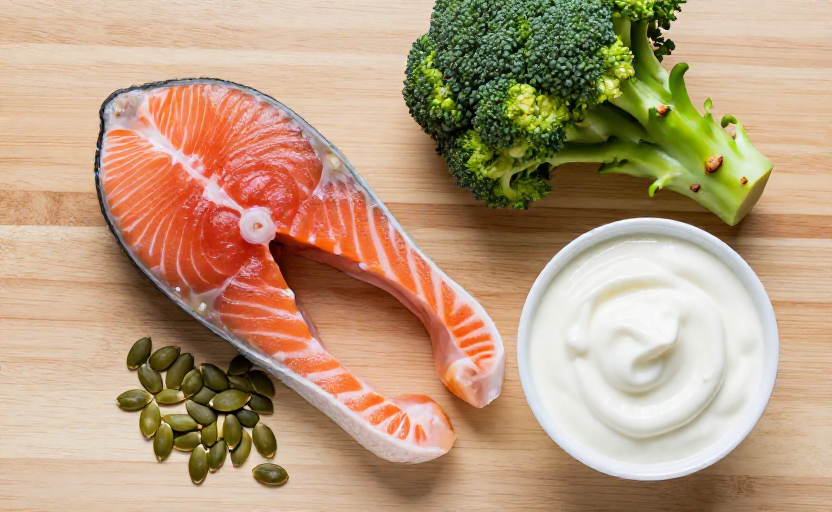
Fatty fish like salmon, mackerel, and sardines are packed with omega-3 fatty acids, particularly EPA and DHA. These fats are known for their anti-inflammatory effects, which is key for acne since inflammatory markers are often elevated in people with breakouts. By helping to dial down systemic inflammation, omega-3s may reduce the redness and swelling associated with active pimples and help regulate sebum production.
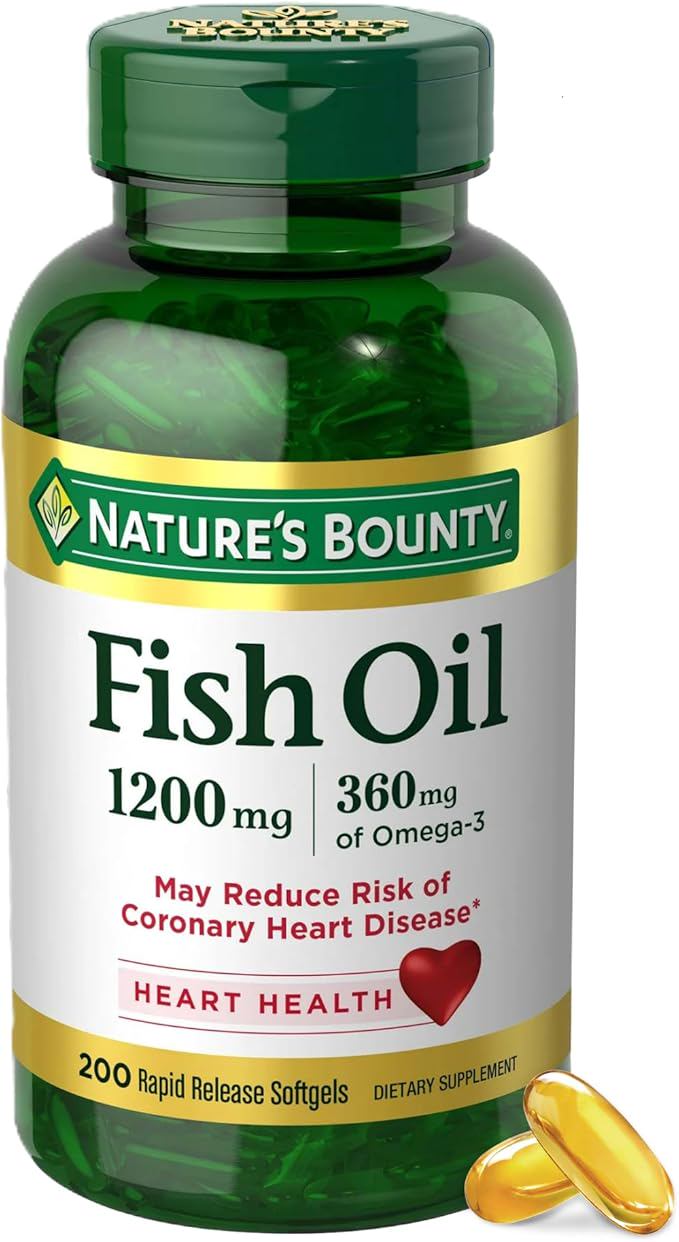
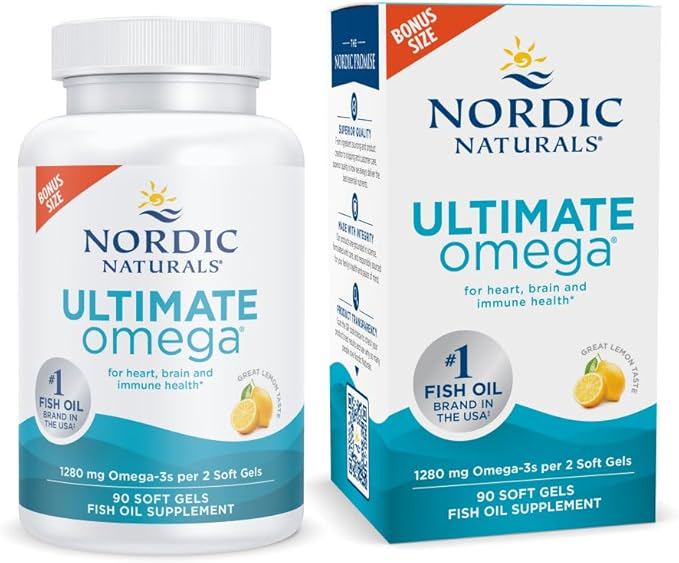
In addition to eating fish a couple of times per week, you can also get omega-3s from walnuts, chia seeds, and flaxseeds—though the plant-based form (ALA) converts less efficiently in the body. For those who don't eat fish, a quality fish oil or algae oil supplement might be an option worth discussing with a healthcare provider.
2. Low-Glycemic Vegetables and Whole Grains
Foods that cause rapid spikes in blood sugar—think white bread, sugary snacks, and sodas—trigger a cascade of hormonal changes that can ramp up oil production and worsen acne. On the flip side, low-glycemic foods help keep blood sugar steady. Leafy greens, cruciferous vegetables (broccoli, cauliflower), berries, and whole grains like oats and quinoa are excellent choices.
When you eat a diet with a lower glycemic load, you reduce the release of insulin and insulin-like growth factor 1 (IGF-1), both of which can stimulate sebaceous glands to produce more oil. Even small swaps, like choosing a piece of fruit over a sugary granola bar or adding spinach to your smoothie, can make a difference over time.
3. Zinc-Rich Foods
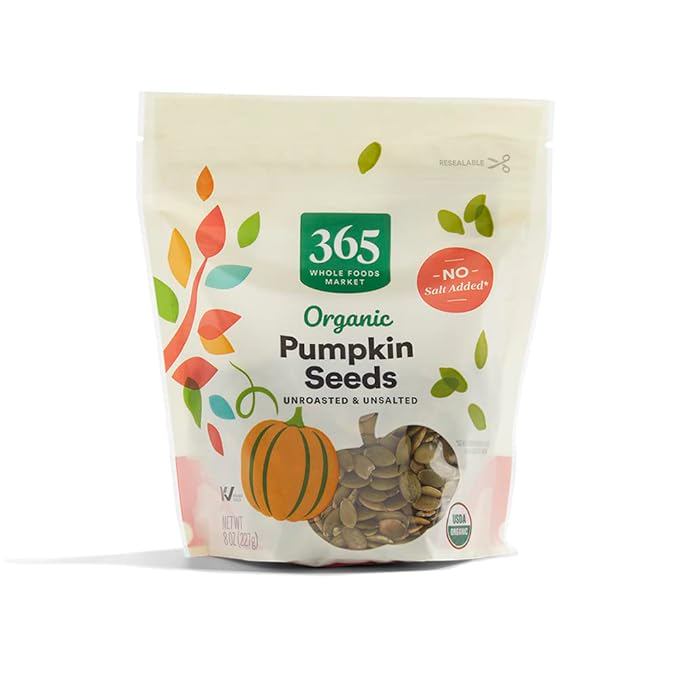
Zinc is a mineral that has been studied for its ability to reduce acne severity. It has anti-inflammatory and antibacterial properties, and it helps regulate the activity of sebaceous glands. Foods naturally high in zinc include pumpkin seeds, chickpeas, lentils, cashews, and grass-fed beef or poultry.
Studies have shown that people with acne often have lower circulating levels of zinc. Incorporating zinc-rich foods into your daily routine—like sprinkling pumpkin seeds on a salad or having hummus with veggies—can support your skin's defenses without the need for high-dose supplements, which can cause side effects like nausea or copper imbalance if taken improperly.
4. Probiotic-Rich Fermented Foods
The gut-skin axis is a growing area of research, and it turns out that a healthy gut microbiome can positively influence skin health. Fermented foods like yogurt, kefir, sauerkraut, kimchi, and miso supply beneficial bacteria that help reduce systemic inflammation and may improve how your body handles androgens, which affect oil production.
Probiotics can also strengthen the skin barrier and reduce oxidative stress, both of which are beneficial for acne-prone skin. Aim for a serving of fermented food daily—perhaps a small bowl of plain yogurt with berries or a side of kimchi with dinner. If dairy is a concern for your skin, opt for non-dairy fermented options like coconut yogurt with live cultures or water kefir.
Putting It Together
No single food will erase oily skin or stop breakouts overnight. But consistently including omega-3-rich fish, low-glycemic vegetables, zinc-packed seeds and legumes, and probiotic foods can create an internal environment less prone to inflammation and excessive sebum production. Think of it as building a supportive foundation—your skincare products can work better when your body's systems are in balance.
Everyone's skin is different, so it can help to keep a simple food-and-skin diary for a couple of weeks to notice patterns. And as always, consult a dermatologist or a registered dietitian before making significant dietary changes, especially if you're considering supplements. Small, steady adjustments to what you eat can add up to a calmer, clearer complexion over time.