
Blackheads are one of the most stubborn forms of acne. They form when a pore becomes clogged with excess sebum and dead skin cells, and the top of the plug stays open—oxidizing and turning dark. While a solid skincare routine is the foundation for managing them, dermatologists increasingly point to diet as a supporting player. What you eat can influence oil production, inflammation, and how quickly your skin cells turn over.
No single food will erase blackheads overnight, but adding certain ingredients to your diet may help keep pores clearer over time. Below are four foods that dermatologists often recommend, backed by evidence about how they affect the skin.
Fatty Fish for Essential Fatty Acids
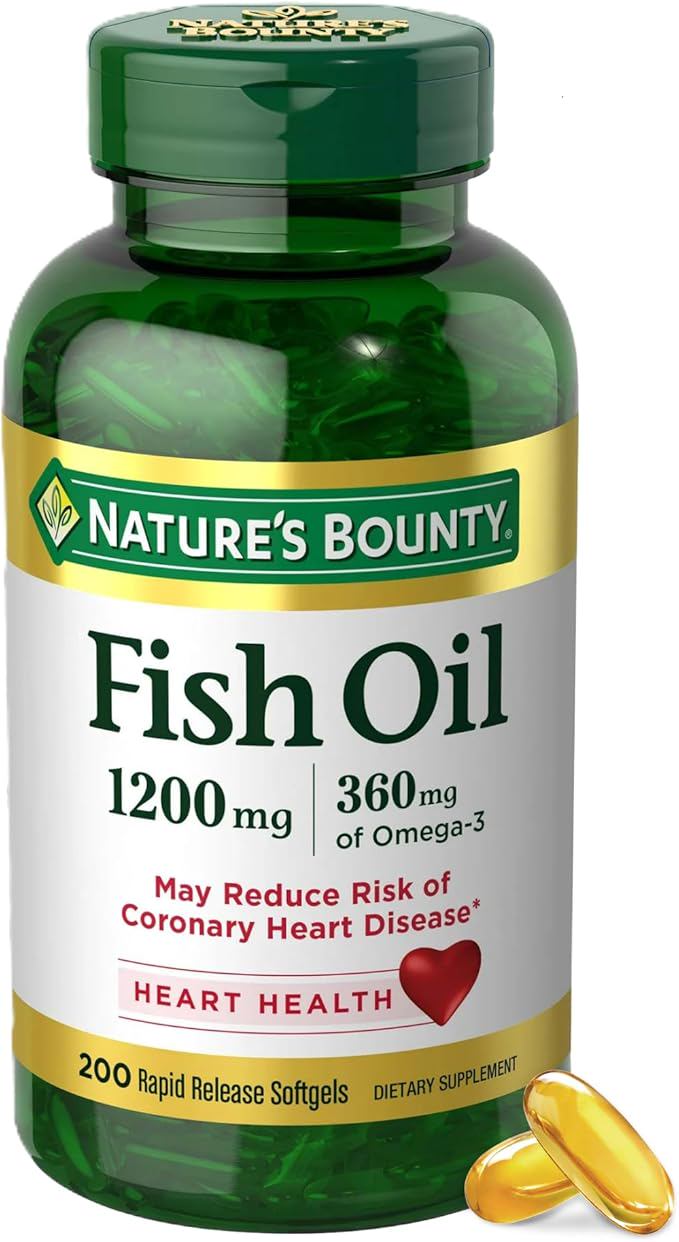
Salmon, mackerel, sardines, and other cold-water fish are rich in omega-3 fatty acids—polyunsaturated fats that help regulate inflammation throughout the body. Chronic low-grade inflammation can worsen acne, including blackheads. A 2014 study in the Journal of the American Academy of Dermatology found that people who consumed more omega-3s had lower rates of inflammatory acne lesions.
Omega-3s also support the skin barrier, helping it retain moisture and stay resilient against irritants. When the barrier is healthy, the skin is less likely to overproduce oil in a compensatory response to dryness. Aim for two servings of fatty fish per week, but talk to your healthcare provider before adding supplements.
Quick tip: If you don't eat fish, consider a microalgae-based omega-3 supplement. Plant sources like flaxseed and walnuts contain ALA, which the body converts to EPA and DHA only in small amounts.
Avocados for Vitamin E and Healthy Fats
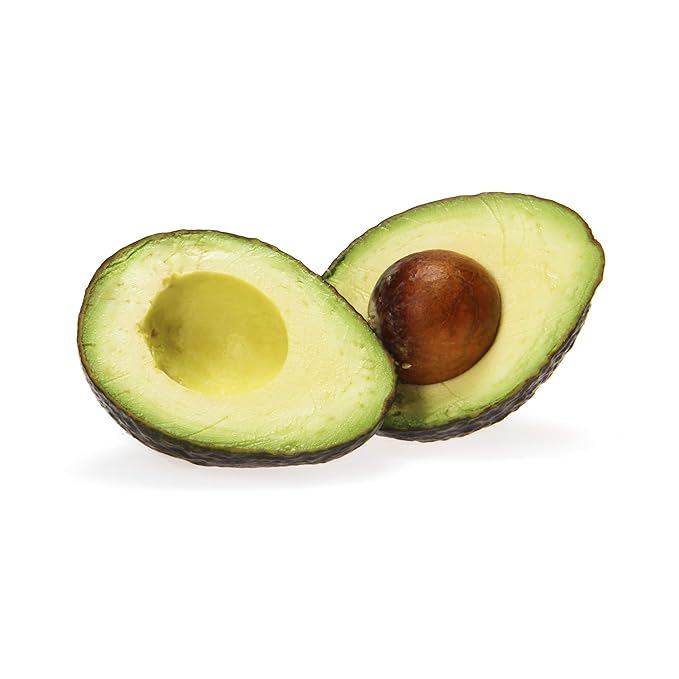
Avocados are a concentrated source of vitamin E and monounsaturated fats, both of which support skin health. Vitamin E is a fat-soluble antioxidant that protects skin cells from oxidative stress—one of the factors that can trigger excess sebum production and pore-clogging.
A 2020 review in Nutrients highlighted that vitamin E may reduce sebum oxidation, a process that contributes to blackhead formation. The monounsaturated fats in avocados also help the skin absorb fat-soluble vitamins from other foods, amplifying their benefits. Add half an avocado to a salad or smoothie, or use it as a spread instead of butter.
Dark Leafy Greens for Zinc and Vitamin A
Spinach, kale, and Swiss chard are loaded with zinc and vitamin A, two nutrients critical for skin renewal and oil regulation. Zinc helps control the activity of sebaceous glands and has mild anti-inflammatory properties. A 2015 meta-analysis in BioMed Research International reported that people with acne often have lower zinc levels than those with clear skin.
Vitamin A supports cell turnover, helping the skin shed dead cells more efficiently so they are less likely to get trapped in pores. Popeye got it right—a handful of spinach in your morning smoothie or pasta sauce is a simple daily habit.
Green Tea for Catechins
Green tea is packed with polyphenol antioxidants called catechins, particularly epigallocatechin gallate (EGCG). These compounds can reduce sebum production and fight the bacteria that contribute to acne inflammation. A 2016 study in the Journal of Investigative Dermatology found that topical EGCG reduced oil secretion, and drinking green tea appears to have systemic benefits as well.
To maximize the effect, use freshly brewed green tea (matcha is especially concentrated) and avoid adding sugar or milk, which can spike insulin and potentially worsen acne. Aim for one to three cups per day, but be mindful of caffeine if you are sensitive.
What Else Helps? Lifestyle Adjustments for Clearer Pores
Diet is only one piece of the puzzle. For blackheads, dermatologists also recommend:
- Gentle cleansing: Use a non-comedogenic cleanser twice a day. Over-washing can strip the skin and trigger more oil.
- Exfoliation: A salicylic acid or beta hydroxy acid (BHA) product helps dissolve the debris inside pores without harsh scrubbing.
- Non-comedogenic moisturizer: Even oily skin needs hydration; a light, oil-free moisturizer prevents the skin from compensating with extra sebum.
- Regular professional treatments: Chemical peels or extractions by a licensed esthetician can clear stubborn pores safely.
Remember, no food is a cure-all. Blackheads form for many reasons—hormones, genetics, skincare habits, and diet all play a role. If you are struggling with persistent blackheads, a board-certified dermatologist can help tailor a plan that includes both topical treatments and dietary adjustments that work for you.