
Starting a strength training routine is a major step. You have pushed through the first few workouts, felt the muscle burn, and now comes the part that actually builds that strength: recovery. What you eat in the hour after you put the weights down matters more than many beginners realize. This window is when your muscles are primed to soak up nutrients and start repairing the micro-tears from lifting.
You do not need a kitchen full of expensive powders or complicated meal plans. The goal is simple: provide your body with protein to rebuild muscle tissue and carbohydrates to replenish the energy stores you just depleted. Here are four straightforward, science-backed foods that fit perfectly into that post-workout window for new lifters.
Why the first hour after lifting matters
Think of your muscles as a sponge. During strength training, you have squeezed that sponge dry. In the hour that follows, your muscle cells are especially receptive to nutrients. This is often called the anabolic window. While its exact timing is debated, the consensus among sports nutrition experts is that eating within 30 to 60 minutes post-workout is a safe and effective habit for beginners to adopt.
Eating the right combination of protein and carbs during this time kickstarts muscle protein synthesis — the process that repairs and builds stronger muscle tissue. It also restores glycogen, which is the stored carbohydrate your muscles used for energy during your set.
A quick rule of thumb: A beginner-friendly post-workout meal or snack should contain roughly 20 to 30 grams of protein and a moderate amount of complex carbohydrates. Whole foods work perfectly for this.
1. Low-fat cottage cheese
Cottage cheese is a quiet powerhouse for recovery. It is packed with casein protein, a slow-digesting protein that provides a steady stream of amino acids to your muscles over several hours. While many lifters chase fast-digesting whey protein immediately post-workout, casein’s gentle drip is actually excellent for longer recovery periods, like overnight or between meals.
A half-cup serving of low-fat cottage cheese delivers about 14 grams of protein and a modest amount of carbohydrates. It is also rich in calcium, which supports muscle contraction and bone health — both crucial for lifters who are progressively adding weight to the bar. It requires zero preparation. Just scoop it into a bowl. For extra carbohydrates, top it with a handful of berries, sliced banana, or a drizzle of honey.
2. Chocolate milk
Sometimes the simplest option is the most effective. Plain chocolate milk has earned its reputation as an ideal recovery drink for a reason. It has a near-perfect balance of carbohydrates and protein — roughly a 3:1 or 4:1 ratio — which is exactly what your muscles need after a lifting session.
The carbohydrates replace spent glycogen stores, while the whey and casein proteins in milk provide building blocks for muscle repair. Plus, the fluid and electrolytes (sodium, potassium, and calcium) help rehydrate you. It is affordable, shelf-stable in a carton, and easy to drink immediately after your last rep. Stick with the standard carton-grade chocolate milk rather than an artisanal or super-sweetened version. About 16 ounces after a solid workout is a solid starting point.
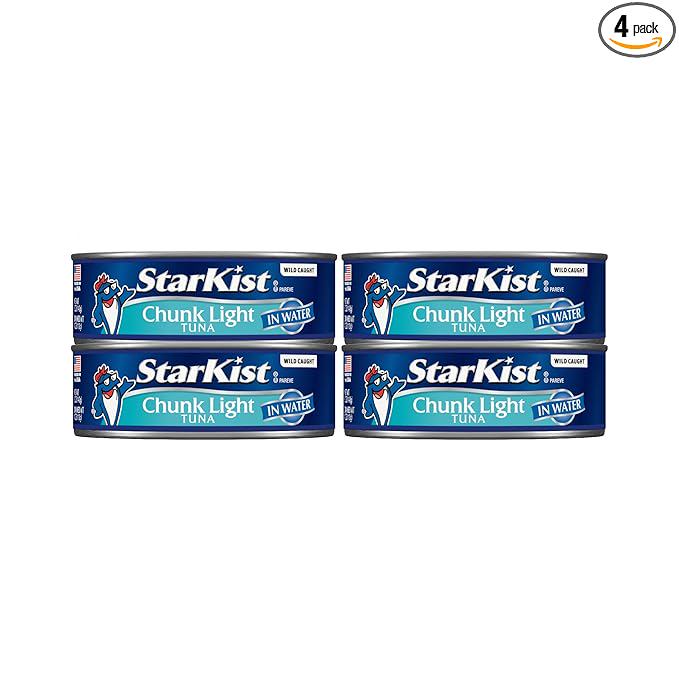
3. Canned tuna on whole-grain crackers
Canned tuna is a lean, high-protein staple that every lifter on a budget should know. A single 3-ounce serving provides about 20 grams of high-quality protein with very little fat. It is especially rich in leucine, an amino acid that acts as a direct signal to your muscles to turn on protein synthesis.
Tucked into a few whole-grain crackers, you get immediate carbohydrate energy along with the protein. The crackers add a satisfying crunch and keep the meal portable — no need for plates or forks. Just drain the can and eat. Choose light tuna (skipjack) over albacore to keep mercury exposure low, and limit it to a few times per week. A squeeze of lemon or a dash of black pepper keeps it from feeling bland.
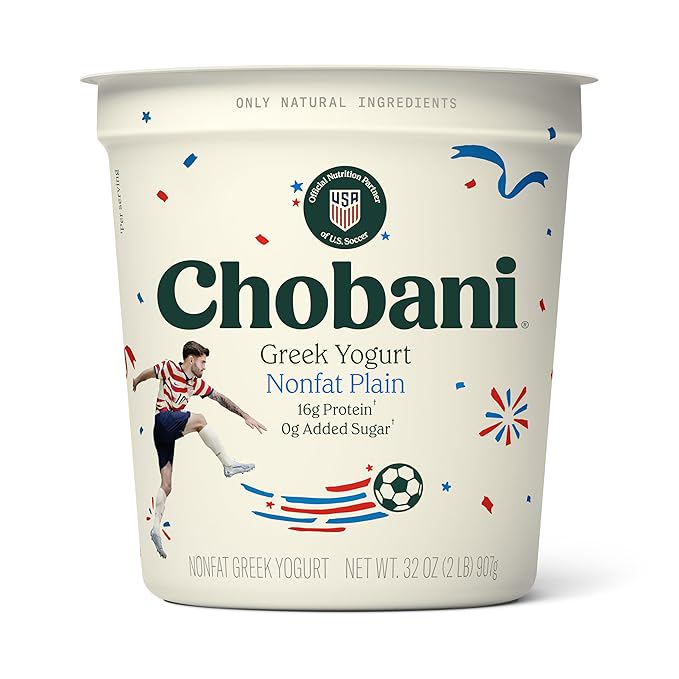
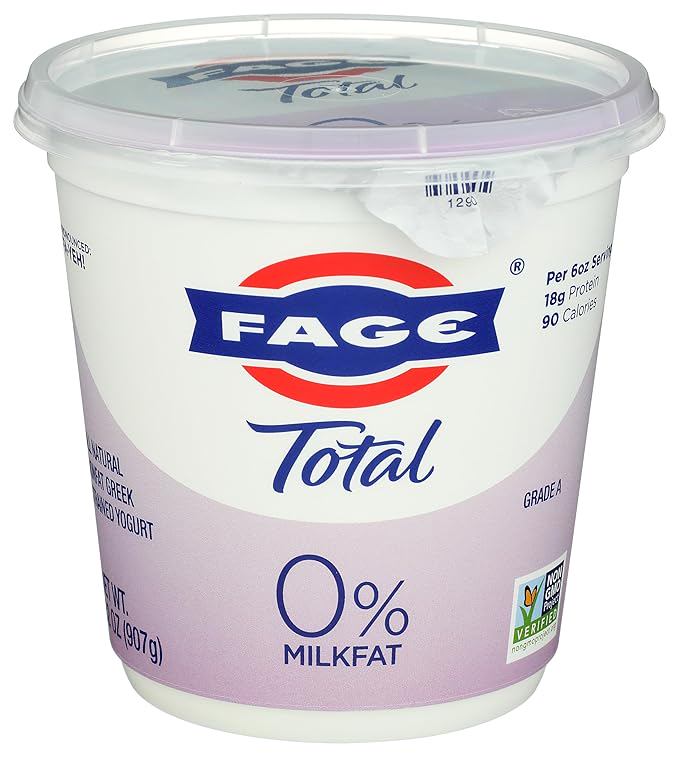
4. Greek yogurt mixed with oats
Greek yogurt offers a double punch: it is thick with protein (about 15 to 20 grams per single-serving cup, depending on the brand) and contains live cultures that support digestive health. When you need your gut to process and absorb all those recovery nutrients efficiently, a healthy microbiome matters.
Mix a cup of plain Greek yogurt with a half-cup of rolled oats. The oats contribute slowly digesting complex carbohydrates, which provide sustained energy without the crash that comes from sugary snacks. This combination is creamy, filling, and forgiving — you can also toss in frozen berries or a tablespoon of peanut butter to change the flavor profile. Avoid flavored yogurts heavy with added sugar; plain gives you control over the sweetness.
A note on timing and portion sizes
These four foods are not meant to replace a balanced daily diet. They are targeted recovery tools for the immediate post-workout window. Pay attention to your hunger levels and adjust portion sizes based on the intensity of your workout. A light 30-minute session does not require the same refueling as an hour of heavy squatting. Listen to your body, eat when you are hungry, and keep your meals simple.
By making one of these options a regular part of your post-training routine, you are giving your muscles exactly what they need to get stronger. Over time, this habit will pay off in better recovery, more consistent progress, and fewer days where you wake up feeling too sore to move.