
It happens to nearly everyone who has ever tried to watch what they eat. The sun goes down, the house gets quiet, and suddenly a craving for something salty, sweet, or crunchy becomes almost impossible to ignore. Late-night eating can feel like a failure of willpower, but hunger at night is often driven by biology, routine, and genuine need—not just a lack of discipline.
If you find yourself in front of the pantry each evening, you are not alone. The key to handling these urges without derailing your goals is not to fight them with brute force. Instead, it is about understanding why they appear and using smart, sustainable strategies to respond. Below are four expert-backed approaches to help you manage late-night cravings without overeating.
1. Check Your Daytime Intake
Many late-night cravings stem from what you ate—or did not eat—earlier in the day. When meals are skipped, rushed, or low in protein and fiber, your body may try to make up for the deficit at night. This is not a sign of weakness; it is a physiological signal that your energy and nutrient needs are unmet.
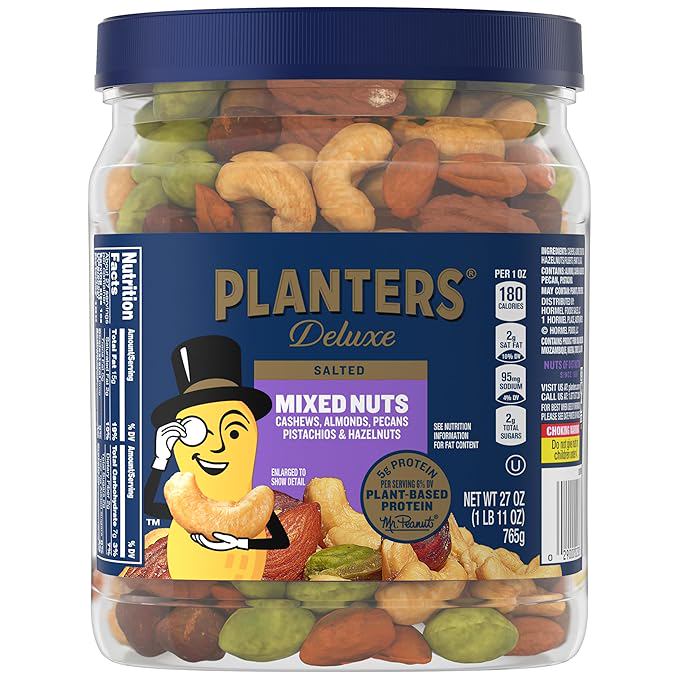
To reduce the intensity of nighttime urges, aim for balanced meals throughout the day. Including a source of lean protein, healthy fat, and complex carbohydrates at lunch and dinner can stabilize blood sugar and keep you satisfied longer. A simple shift like adding a handful of nuts to your afternoon snack or swapping a sugary breakfast for eggs and vegetables can significantly reduce the urgency of those 10 p.m. hunger pangs.
A note on restriction: Severely restricting calories or cutting out entire food groups during the day almost always backfires at night. The body is smart—it will try to compensate when it senses deprivation.
2. Distinguish Between Physical Hunger and Habitual Cravings
Not every urge to eat requires food. Late-night cravings are often a mix of true hunger, habit, and emotional triggers. Learning to tell the difference can make all the difference in how you respond.
Physical hunger usually builds gradually and can be satisfied with a reasonable portion of almost any food. A habitual craving, on the other hand, often feels sudden, specific (you want chips, not an apple), and is tied to an activity—like watching TV, scrolling through your phone, or winding down after a stressful day.
Try the pause-and-check method
When a craving hits, pause for a moment and ask yourself a few honest questions: Did I eat enough today? Am I bored or stressed? Would I eat a piece of fruit right now? If the answer to that last question is no, the craving may be more about habit than actual hunger. In that case, try a non-food alternative: drink a glass of cold water, step outside for two minutes of fresh air, or do a brief breathing exercise. Often, the urge will fade within ten minutes.
If the answer is yes, you are genuinely hungry. That is fine. The next step is to choose a portion that satisfies without causing regret.
3. Choose a Satisfying, Balanced Snack
If you decide that you truly are hungry, the goal is not to eat as little as possible—it is to eat a small amount that genuinely satisfies you. A tiny rice cake or a single carrot stick may leave you searching for more ten minutes later.
Instead, aim for a snack that combines protein, fiber, and a little fat. This combination signals fullness to your brain and stabilizes blood sugar overnight. Portion size matters, but so does enjoyment. Give yourself permission to eat something you actually like, just in a reasonable amount.
Good options for a late-night snack include:
- A small bowl of Greek yogurt with a few berries
- A handful of almonds and a slice of cheese
- Half a turkey and avocado wrap on a whole-wheat tortilla
- A small apple with a tablespoon of peanut butter
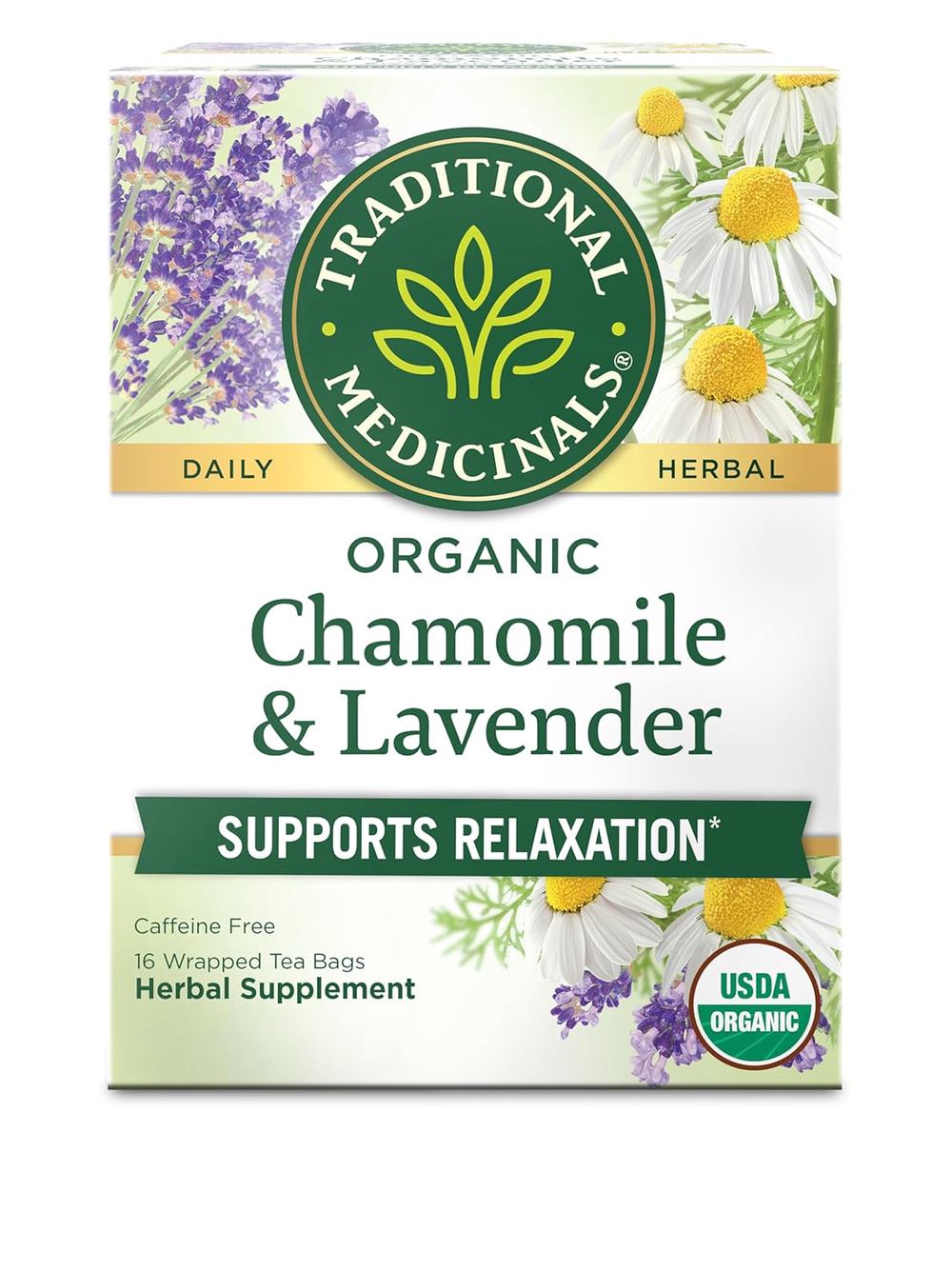
- One or two squares of dark chocolate with a cup of herbal tea
The trick is to serve your snack on a plate, sit down, and eat it without distractions. This helps your brain register what you have eaten, making it easier to feel satisfied with a moderate portion.
4. Adjust Your Evening Environment and Wind-Down Routine
Your surroundings and habits play a surprisingly large role in late-night eating. Bright artificial light, late-night screen time, and an unstructured transition from the day's busyness to sleep can all create the perfect conditions for mindless munching.
Set a kitchen curfew
Consider establishing a clear end time for eating—perhaps thirty minutes to an hour before you plan to go to bed. Once the kitchen is closed, shift your focus to other relaxing activities. Brushing your teeth early can serve as a strong psychological signal that eating time is over.
Create a calming pre-bed ritual
Replace the urge to snack with a low-key routine that signals to your body that it is time to rest. This might include reading a physical book, listening to a calm podcast, gentle stretching, or writing down tomorrow's tasks. When your evening environment feels settled, the impulsive pull toward food often fades naturally.
Managing late-night cravings is not about being perfect. It is about building small, sustainable practices that work with your body, not against it. By improving your daytime nutrition, checking in with hunger cues, choosing smart snacks, and creating a peaceful evening routine, you can handle those late-night urges without derailing your progress. One imperfect evening will not undo your efforts—but a consistent, compassionate approach will carry you much farther than rigid rules ever could.