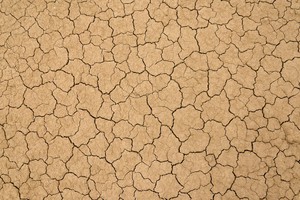
Your skin barrier is the outermost layer that keeps moisture in and irritants out. When it's healthy, your skin looks plump, calm, and resilient. But what you sip throughout the day can quietly chip away at that protective shield, leaving you with redness, dryness, breakouts, or increased sensitivity. While most of us focus on what we put on our skin, the beverages we consume matter just as much.
Here are four common drinks that may compromise your skin barrier — and smarter swaps to keep your complexion happy.
1. Sugary sodas and sweetened beverages
High sugar intake triggers a process called glycation, where sugar molecules bind to collagen and elastin fibers. This makes them stiff and brittle, weakening the skin's structural support. Over time, that can lead to a compromised barrier, more fine lines, and slower healing when you do get a blemish.
What to sip instead: Sparkling water infused with lemon, cucumber, or mint gives you the fizz and flavor without the sugar spike.
2. Alcohol (especially cocktails with mixers)
Alcohol is a diuretic — it dehydrates the body, and your skin feels it first. Dehydrated skin has a harder time repairing its barrier, which can lead to increased transepidermal water loss (TEWL). That means moisture escapes faster, and irritants get in more easily. Cocktails with sugary syrups or fruit juices double down on the problem.
What to sip instead: If you choose to drink, alternate each alcoholic beverage with a glass of plain water. For a non-alcoholic option, try a tart cherry juice spritzer or a mineral water with a splash of lime.
3. Coffee and high-caffeine energy drinks
Caffeine constricts blood vessels and can raise cortisol levels, which may increase oil production in some people. While a moderate amount of coffee is fine for most, excessive intake — especially on an empty stomach — can dehydrate skin and exacerbate inflammation. Energy drinks add sugar and artificial ingredients that don't do your barrier any favors.
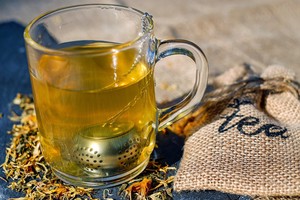
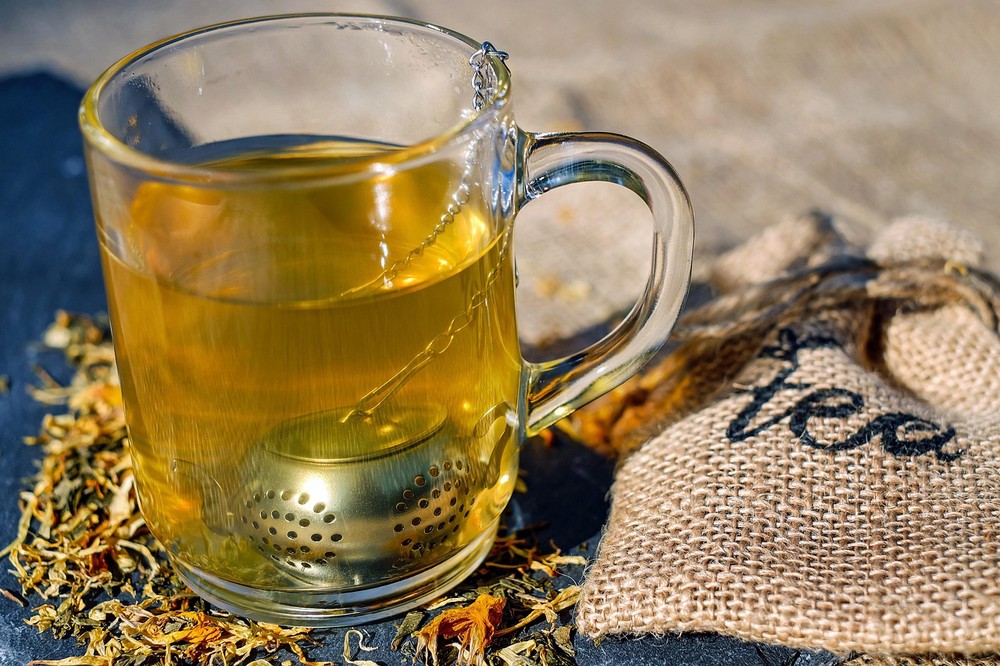
What to sip instead: Green tea is gentler on the system and provides antioxidants called catechins that may help protect skin cells. Herbal teas like chamomile or rooibos are naturally caffeine-free.
4. Fruit juice and smoothies with high sugar content
Even 100% fruit juice can deliver a concentrated dose of sugar without the fiber of whole fruit. That rapid glucose spike can promote inflammation and glycation, both of which weaken the skin barrier over time. Bottled smoothies are often worse — they can pack 40–60 grams of sugar per serving.
What to sip instead: Eat your fruit whole, and make smoothies at home using mostly vegetables (like spinach or cucumber) with a small amount of low-sugar fruit such as berries. Unsweetened almond milk or coconut water makes a good base.
Extra tip: Don't forget hydration itself
Water is the single best drink for your skin barrier. It helps flush toxins, supports cell turnover, and keeps the outer layer flexible. Aim to sip steadily through the day rather than chugging large amounts at once.
Bottom line: Your skin barrier responds to what you drink, not just what you apply. Cutting back on sugar, alcohol, and excess caffeine — while choosing hydrating, antioxidant-rich alternatives — can make a noticeable difference in your skin's resilience and appearance.