
You finished your sets. Your muscles are pumped, your shirt is damp, and you feel that satisfying ache of a job well done. You did the hard part. But for many new lifters, what happens in the hour or two after that last rep is where progress actually stalls—or backslides. Post-workout nutrition isn't about chugging a fancy shake the second you drop the barbell. It's about giving your body the raw materials it needs to repair, rebuild, and get stronger. Unfortunately, a few very common mistakes can turn that window of opportunity into a wasted one. Here are the four biggest pitfalls new lifters face when it comes to eating after training, and exactly how to sidestep them.
Mistake #1: Waiting too long to eat
You've heard the term "anabolic window." It's real, but it's not a five-minute deadline that will ruin your gains if you miss it by six minutes. The real window is broader, but it still exists. When you lift, you create micro-tears in muscle fibers and deplete your stored glycogen (the sugar your muscles use for fuel). Your body is primed to shuttle nutrients—specifically protein and carbohydrates—directly into those damaged tissues right after training.
Waiting three or four hours to eat a full meal is a missed opportunity. Your body starts to release cortisol, a stress hormone that can actually break down muscle tissue for energy if it doesn't get what it needs. The fix is simple: aim to eat a balanced meal or a substantial snack within about two hours post-workout. It doesn't have to be immediate. Shower, change, drive home. But don't let the clock run out. If you know you won't have a real meal ready in time, pack a shake or a simple snack like Greek yogurt and fruit to bridge the gap.
Mistake #2: Skimping on protein—or going overboard
Protein is the headline act of recovery, but new lifters tend to fall into one of two camps. The first camp drinks a tiny eight-ounce shake with ten grams of protein, thinking they've covered their bases. The second camp slams a 60-gram protein bomb because they believe more is always better.
The science is more specific. Research consistently shows that a dose of roughly 20 to 40 grams of high-quality protein (like whey, casein, soy, or a complete plant blend) post-workout maximally stimulates muscle protein synthesis—the process of building new tissue. More than that doesn't provide extra benefit; the surplus simply gets oxidized for energy or excreted. Less than that leaves gains on the table. A practical rule: aim for a serving that provides about 0.25 to 0.4 grams of protein per kilogram of your body weight. For a 150-pound (68 kg) lifter, that's roughly 17 to 27 grams. A scoop of most protein powders, a cup of cottage cheese, or a 4-ounce chicken breast easily hits that mark.
The sweet spot: 20–40 grams of protein within two hours of training. Your muscles don't need a flood; they need a steady, adequate stream.
Mistake #3: Forgetting carbohydrates entirely
This is the trap that the low-carb, keto-inclined lifter often falls into. You finish a hard squat session, hammer down a protein shake, and call it a day. But if you didn't fuel your workout with adequate carbs beforehand, your glycogen stores are empty. Without replenishing them, your next workout will suffer. You'll feel flat, weak, and fatigued.
Carbohydrates after a workout serve a dual purpose. First, they spike insulin, a hormone that helps shuttle amino acids (from protein) into muscle cells. Second, they refill those glycogen tanks. The amount you need depends entirely on the intensity and duration of your session. For a typical 45–60 minute strength workout, a moderate serving of carbs—think a banana, a cup of rice, or a sweet potato—alongside your protein is sufficient. If you did two-hour sessions or high-volume leg days, you may need more. The key is not to fear carbs after lifting. Your muscles are literally begging for them. A 3:1 or 4:1 ratio of carbs to protein is a common starting guideline for endurance athletes; for strength, a 1:1 or 2:1 ratio (grams of carbs to grams of protein) is often plenty for general recovery.
Mistake #4: Relying on supplements instead of real food
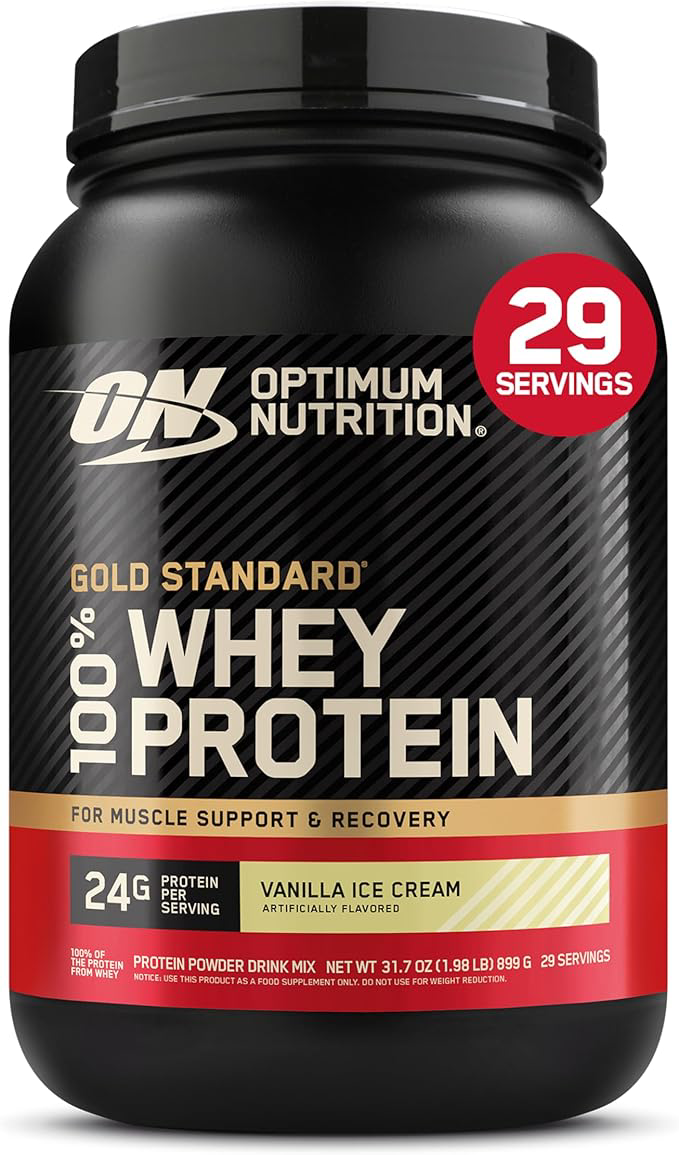
Walk into any gym locker room and you'll see people shaking up neon-colored powders. Supplements are convenient, but they are not superior to whole foods. New lifters often fall for the marketing hype—thinking a specific branded recovery drink is magical, or that they absolutely need Branch Chain Amino Acids (BCAAs) during their workout. The truth is that BCAAs are found naturally in complete protein sources, and most people get plenty from their diet. A whole-food meal provides fiber, vitamins, minerals, and phytonutrients that no powder can perfectly replicate.
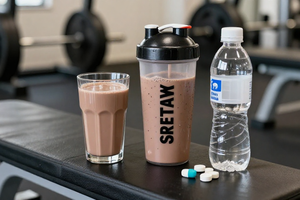
That doesn't mean you should never use supplements. A whey protein shake after a workout when you're on the go is a perfectly fine choice. But building the habit of eating real food—chicken and rice, a turkey sandwich, eggs and toast, a quinoa bowl with veggies and chickpeas—teaches you long-term nutritional skills and provides a broader range of nutrients. If you rely on a shake every single time, you miss out on the micronutrients that support immune function, bone health, and overall well-being. The best approach? Use supplements as a tool, not a crutch. Prioritize whole food for the majority of your post-workout nutrition.
A simple post-workout meal template
If you're unsure where to start, aim for this easy formula: a palm-sized portion of lean protein, a fist-sized portion of complex carbohydrates, and a handful of colorful vegetables. For example, grilled chicken, roasted sweet potatoes, and steamed broccoli. Or scrambled eggs with black beans and salsa. It doesn't need to be complicated to be effective.
Final thought on hydration
One last note that often gets overlooked: you sweat during a workout, and that fluid loss needs to be replaced. Dehydration impairs recovery and can lead to muscle cramps and sluggishness. Water is usually sufficient. For very long or sweaty sessions, consider adding electrolytes. But don't assume you need a bright blue sports drink full of sugar and artificial dyes. Plain water, consumed consistently throughout the day and especially after training, is the real unsung hero of recovery.