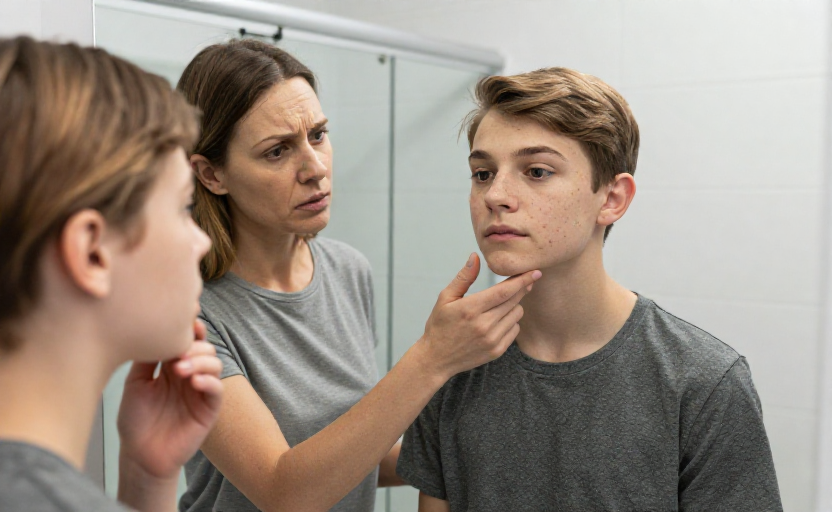
Navigating your teen’s skin concerns can feel like walking a tightrope. You want to offer support without making them feel self-conscious, and you want to help without jumping to unnecessary interventions. Most teenage acne is a normal, if frustrating, part of adolescence and responds well to consistent, gentle care at home. But sometimes, the skin is signaling for more specialized help. Knowing the difference can save your teen from unnecessary discomfort, scarring, and emotional distress.
It’s not about chasing perfectly clear skin, but about recognizing when acne has crossed a line from a common skin condition to one that requires a medical professional’s expertise. Here are three specific warning signs that suggest it’s time to make an appointment with a board-certified dermatologist.
1. Persistent, Painful Cysts or Nodules
Not all breakouts are created equal. While blackheads, whiteheads, and smaller red bumps (papules and pustules) are hallmarks of typical acne, deeper, more severe lesions tell a different story. Cystic and nodular acne involves inflamed, tender lumps that develop deep under the skin’s surface. They often lack a visible “head” and can feel hard or rubbery to the touch.
If your teen is experiencing breakouts that are consistently painful, feel deep under the skin, and don’t come to a head, it’s a strong indicator to seek professional evaluation.
These deep lesions are more than just a surface concern. They cause significant inflammation that can damage the skin’s supportive structures, leading to a much higher risk of permanent scarring—both pitted (atrophic) and raised (hypertrophic) types. Over-the-counter products are typically formulated for more superficial acne and often can’t penetrate deeply enough to effectively address this level of inflammation. A dermatologist can assess the severity and discuss prescription-strength treatment options that target the root causes deep within the follicle.
2. Significant Scarring or Dark Marks That Linger
Pay close attention to what happens after a pimple starts to fade. Some post-inflammatory hyperpigmentation—flat, dark spots left behind—is common, especially in deeper skin tones, and can take months to fade on its own. However, you should watch for signs of actual textural change in the skin.
Scarring occurs when the skin’s healing process is disrupted, often from picking, severe inflammation, or the depth of the acne itself. Early signs include:
- Pits or depressions: Small, sunken areas where the skin hasn’t healed smoothly.
- Ice-pick scars: Deep, narrow pits that look like the skin was punctured.
- Rolling scars: Broad depressions with sloping edges that give the skin a wavy texture.
Once scarring has formed, it becomes much more challenging to treat. The most effective approach is prevention. If you notice that breakouts are consistently leaving behind textural changes or dark spots that show no sign of fading after several weeks, a dermatologist can intervene with treatments to help fade existing marks and, more importantly, implement a plan to prevent new scars from forming.
3. Emotional Distress or Social Withdrawal
The impact of acne isn’t only skin-deep. For many teens, whose social and personal identities are intensely forming, persistent skin issues can be a heavy emotional burden. It’s crucial to look beyond the physical symptoms and notice changes in behavior or mood.
Signs that acne is affecting mental well-being may include:
- Avoiding social situations, sports, or activities they once enjoyed.
- Expressing feelings of embarrassment, frustration, or low self-esteem related to their skin.
- Spending excessive time and effort trying to cover breakouts with makeup or clothing.
- Experiencing anxiety about being seen without makeup or in certain lighting.
This emotional toll is a valid and serious medical reason to seek help. A dermatologist can be a powerful ally, offering not just medical treatment but also reassurance and a path forward. Addressing the skin condition can significantly alleviate the associated emotional stress.
What to Expect from a Dermatologist Visit
Knowing when to go is one thing; knowing what will happen can ease the process for both you and your teen. A dermatologist will conduct a thorough examination of the skin, discuss your teen’s history and current routine, and likely ask about any family history of acne. The goal is to create a personalized management plan.
This plan may involve prescription topical treatments (like retinoids or combination creams), oral medications (such as antibiotics for inflammation or hormonal options for some), or in-office procedures like corticosteroid injections for painful cysts. They will also provide clear guidance on a supportive skincare routine and sun protection, which is essential when using many acne treatments.
The journey with a dermatologist is often collaborative. It may take a few months and some adjustments to find the most effective regimen with the fewest side effects. Open communication between you, your teen, and the doctor is key to success.
Supporting Your Teen at Home
While seeking professional help is crucial when these signs appear, your supportive role at home remains the foundation. Encourage a consistent, gentle skincare routine with a non-comedogenic cleanser and moisturizer. Discourage picking or squeezing, which dramatically increases infection and scarring risk. Most importantly, offer empathy—validate their feelings without magnifying the problem. Frame the dermatologist visit as a proactive step for their health and comfort, not a punishment for having acne.
Recognizing these three warning signs empowers you to act as an advocate for your teen’s skin and emotional health. Timely, professional care can clear the skin, prevent long-term damage, and help restore a sense of confidence during a formative time.