You know that feeling: the deadline is closing in, your inbox is overflowing, and you haven’t slept well in days. Then, you catch a glimpse in the mirror and spot a new cluster of angry, red bumps on your chin or jawline. It’s frustrating, but it’s also not a coincidence. The connection between your stress levels and your skin is very real.
When you’re under pressure, your body releases hormones like cortisol. This can ramp up oil production and trigger inflammation, creating the perfect storm for breakouts. But not every pimple is a stress pimple. Learning to recognize the specific warning signs that your stress is directly causing acne can help you break the cycle. Here are three key indicators to watch for.
1. Sudden Breakouts in the “Hormonal Zone” (Jawline and Chin)
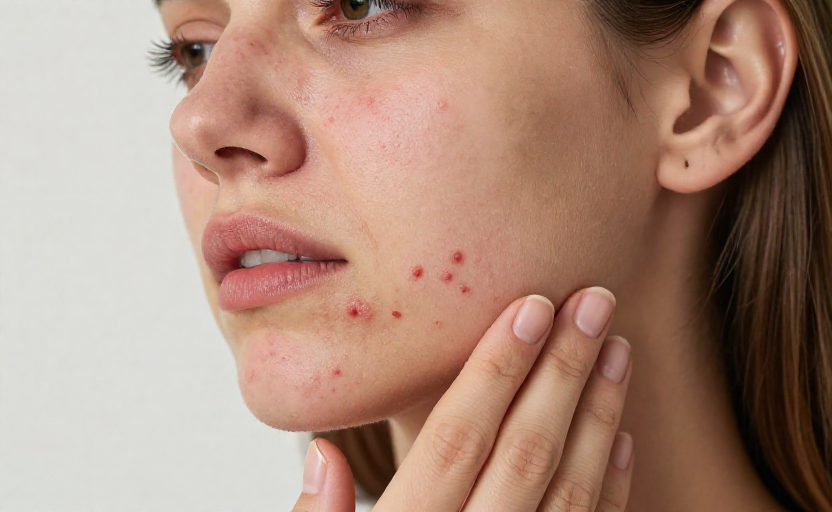
Stress breakouts have a favorite address: the lower third of your face. If you notice a sudden crop of deep, tender, cystic bumps along your jawline, chin, or upper neck, stress is likely a major contributor. This area has a high concentration of oil glands that are particularly sensitive to hormonal fluctuations.
While your regular monthly breakouts might follow a predictable pattern, stress-induced acne can appear seemingly overnight. It often lacks the usual whiteheads or blackheads you might see on your forehead or nose. Instead, these bumps feel like hard, painful knots under the skin that take days to come to a head—if they ever do. If you’re hitting a major deadline or navigating a personal crisis and your jawline is suddenly a minefield, that’s a telltale sign.
2. Breakouts That Don’t Respond to Your Normal Skincare Routine
You’ve been loyal to your cleanser, serum, and spot treatment. They usually keep things under control. But now, nothing is working. The benzoyl peroxide you rely on seems to dry out your skin but not the pimple. The salicylic acid isn’t clearing the congestion. This resistance is a classic clue that the root cause isn’t just bacteria or clogged pores—it’s an internal physiological shift driven by cortisol.
Stress acne is inherently inflammatory. This means it often presents as angry, red, and swollen rather than just clogged. When your usual topical treatments fail, it’s a strong signal you need to address what’s happening inside your body, not just on the surface. This is your skin telling you that the problem isn’t just skincare; it’s the stress itself.
3. Coinciding Non-Skin Stress Symptoms
The most overlooked warning sign is the presence of other stress symptoms alongside your acne. When you feel a breakout coming on, take a quick mental inventory. Are you also experiencing any of the following?
- Grinding your teeth or clenching your jaw at night (which can also lead to jawline acne from physical irritation).
- Tense, tight shoulders and neck.
- Gastrointestinal issues like an upset stomach or indigestion.
- Disrupted sleep or feeling exhausted despite getting enough hours in bed.
- A racing heart or frequent headaches.
If your acne flare-up lands right in the middle of a cluster of these physical and mental symptoms, the connection is nearly undeniable. Your body operates as a whole system. When one part is out of balance—especially your nervous system—other parts (including your largest organ, your skin) will reflect that imbalance.
What to Do Instead of Reaching for a Stronger Acid
When faced with a stress breakout, our instinct is often to attack it with harsh products. This backfires. Over-drying already inflamed skin can damage your moisture barrier, making redness and irritation worse. Instead, focus on calming your skin while addressing the root trigger.
Swap to a gentle, hydrating routine with ingredients that reduce inflammation, like niacinamide or ceramides. Use a soothing moisturizer to protect your barrier. And crucially, add a non-negotiable stress-reduction practice—even five minutes of deep breathing, a short walk, or listening to a calming playlist can lower your cortisol levels surprisingly fast.
When to See a Professional
If you’re consistently breaking out and your stress feels unmanageable, consider talking to a dermatologist. They can help differentiate between stress acne and other types (like hormonal or fungal acne). They may recommend targeted anti-inflammatory treatments or refer you to a therapist or counselor to build better stress-management tools. Your skin is often a window to your mental health. Treating both is the most effective long-term strategy.
Quick note: Stress acne is not a reflection of your hygiene or willpower. It is a physiological response to your environment. Be patient and kind to yourself as you navigate it.