
Everyone gets a little red now and then — a flush after a workout, a warm face on a windy day, or a blotchy patch after trying a new cleanser. Most of the time, that redness fades within hours. But when it doesn't, or when it starts to behave differently, it's worth paying closer attention. Persistent skin redness can be a signal that something deeper is going on beneath the surface, and knowing which signs point beyond simple irritation can help you take smarter care of your skin.
What counts as “just irritation”?
Irritation is usually short-lived. It shows up as temporary redness, warmth, or slight stinging after exposure to an irritant — think fragrances, harsh soaps, or physical friction. The redness typically subsides once the trigger is removed, and the skin barrier recovers on its own within a day or two. That's the body's normal inflammatory response, and it's not a cause for concern in most people. The challenge is distinguishing this kind of fleeting reaction from redness that has a different root cause.
Warning sign 1: Redness that stays put for days or weeks
If a patch of red skin lingers beyond a few days without improving — especially if it doesn't change much from morning to night — that's a signal worth noting. Persistent redness often points to ongoing inflammation, not a one-time reaction. Conditions like rosacea, seborrheic dermatitis, or even early-stage lupus can present as fixed redness on the cheeks, nose, chin, or forehead. Unlike irritation, which tends to come and go, this type of redness becomes part of your daily complexion. It may also feel warm to the touch or appear slightly swollen, even when you haven't applied anything new.
One of the hallmarks is that it doesn't improve with simple avoidance. You can stop using all products, switch to the gentlest cleanser possible, and the redness remains. That's a clue that the cause is internal — immune activity, vascular changes, or a chronic skin condition — rather than a topical reaction.
Warning sign 2: Redness accompanied by bumps, pustules, or visible blood vessels
Not all red skin is smooth. When redness comes with small, pus-filled bumps (pustules), tiny solid bumps (papules), or visible spider-like veins (telangiectasias), it's time to look beyond irritation. These features are classic in rosacea, especially subtype 2, which combines persistent redness with acne-like breakouts. The bumps are not whiteheads or blackheads — they're inflammatory lesions that don't respond to typical acne treatments. In fact, harsh acne products can make them worse.
Visible blood vessels are another red flag. When capillaries near the surface of the skin become dilated and permanent, they form those fine red or purple lines that don't blanch when you press on them. This is rarely a feature of simple irritation. It suggests a chronic vascular component, often seen in rosacea or after prolonged sun damage. If you notice these along with persistent redness, a dermatologist's evaluation can clarify what's going on.
Warning sign 3: Redness that burns, stings, or feels extremely sensitive
Irritation can sting, but it usually stops once the trigger is removed. If your skin feels like it's burning, throbbing, or reacting to almost everything you put on it — even water or moisturizer — that points to a disrupted skin barrier or an underlying inflammatory condition. This kind of hypersensitivity is common in rosacea, contact dermatitis, and eczema. The redness may spread or intensify with exposure to heat, spicy foods, alcohol, or sunlight.
Another clue: the sensation is out of proportion to how red the skin looks. You might have only mild redness but significant discomfort. That mismatch is typical of nerve involvement or deep inflammation. Over-the-counter anti-redness creams often don't help in these cases, and some can even make the burning worse if they contain alcohol, witch hazel, or essential oils.
If your skin burns more than it looks red, trust that sensation — it's often telling you something that visible redness alone cannot.
When to see a dermatologist
You don't need to rush to a doctor after one day of redness. But if any of these signs persist beyond two weeks, or if you're unsure about what you're seeing, it's reasonable to get a professional opinion. A dermatologist can use a dermatoscope to look at blood vessels and pigment more clearly, and they can help distinguish between rosacea, lupus, contact dermatitis, and other causes. Early diagnosis often makes treatment simpler and more effective.
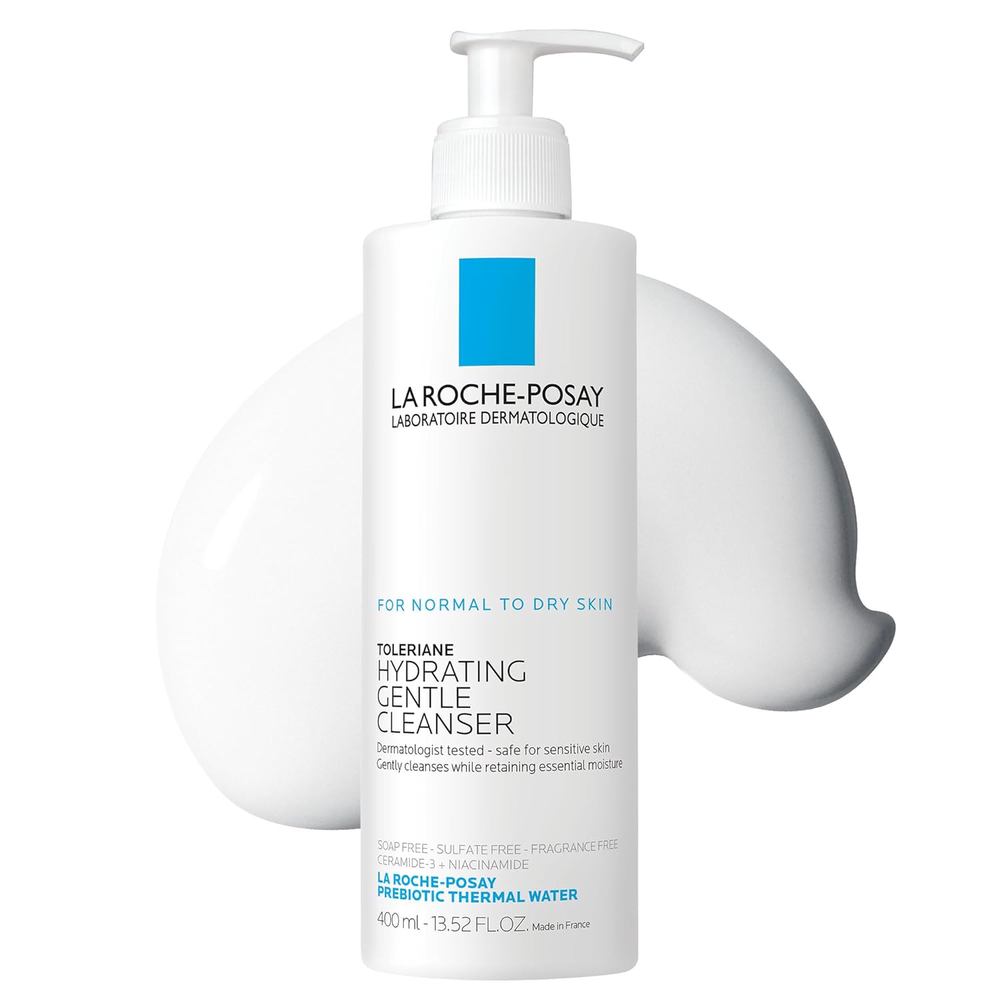
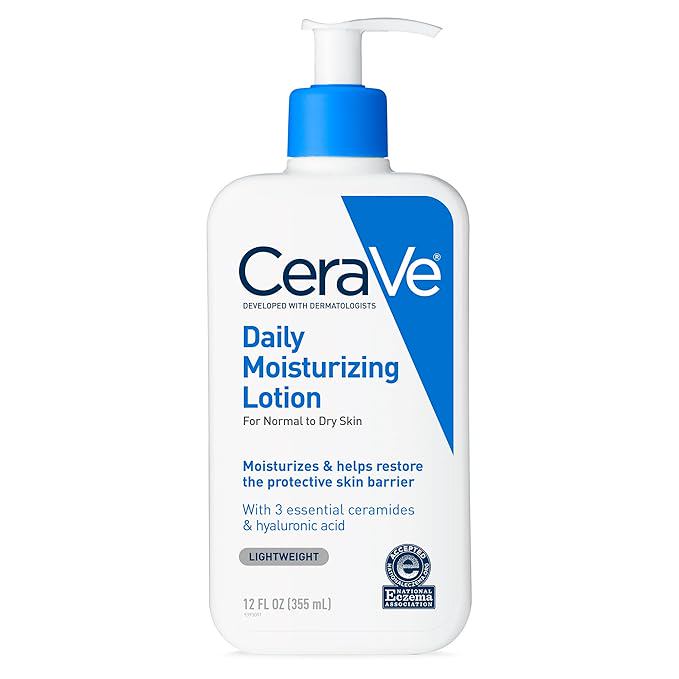
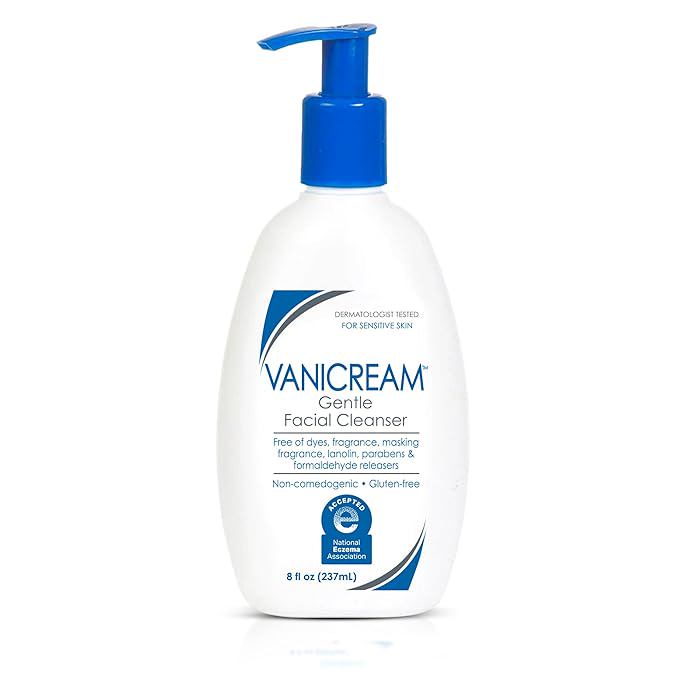
In the meantime, simplify your skincare: use a gentle, fragrance-free cleanser and a barrier-supporting moisturizer. Avoid physical exfoliants, retinoids, and anything with a long ingredient list. Keep a diary of what triggers your redness — foods, weather, products, stress — so you can bring useful information to your appointment. And remember: persistent redness is not something to just cover up with concealer. It's a signal, and the right response starts with listening to what your skin is telling you.