
You start your day with a smoothie bowl, a slice of sprouted toast, or a bowl of oatmeal. It looks healthy—fruits, seeds, maybe a splash of nut milk. But by ten o'clock you're hungry, foggy, or reaching for a snack. That's your body telling you something is off.
Many plant-based breakfasts are quietly low in two nutrients that keep you satisfied and energized: protein and fiber. Without them, even the most colorful morning meal can leave you underfueled. Here are three warning signs that your breakfast might be missing the mark—and how to fix it without overcomplicating things.
You're Hungry an Hour After Eating
A little mid-morning hunger is natural, but if your stomach is growling before you've even finished your coffee, your breakfast likely lacked enough protein or fiber (or both). Protein slows digestion and signals fullness, while fiber adds bulk and helps regulate blood sugar. A breakfast that's mostly fruit or refined grains—like a plain acai bowl or toast with jam—can spike your glucose and then drop it fast, leaving you drained and searching for a second breakfast.
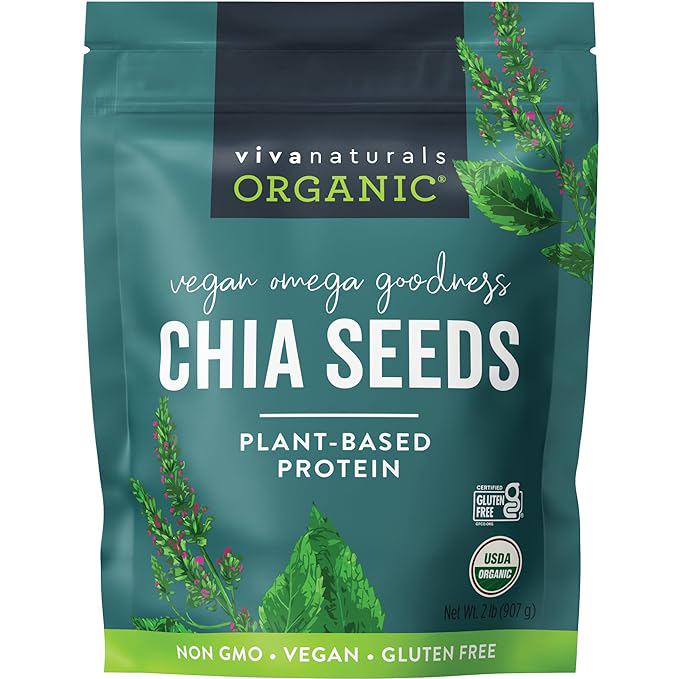
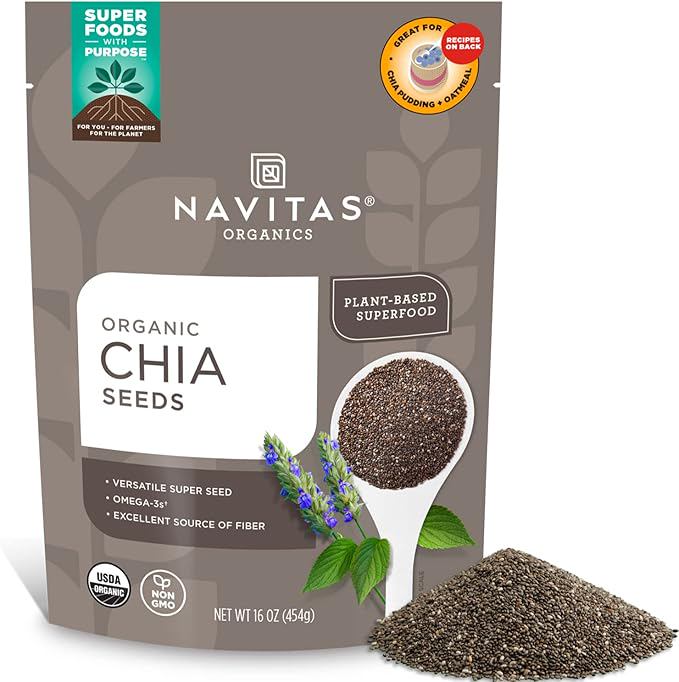
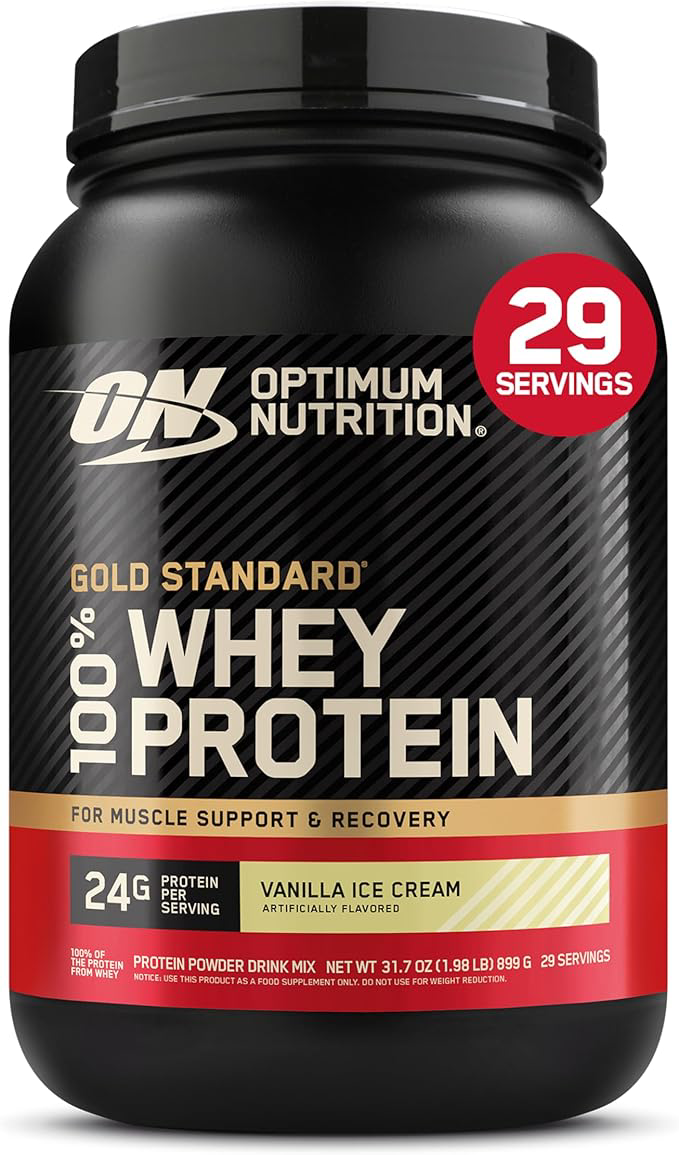
How to fix it: Add a protein source such as tofu scramble, edamame, or a scoop of plant-based protein powder. Boost fiber with chia seeds, flaxseed meal, or a handful of leafy greens in your smoothie. A balanced plate should include at least one protein-rich food and one high-fiber whole food.
Your Energy Crashes Before Noon
Do you hit a wall around 11 a.m.? That sluggish, can't-focus feeling is often connected to a morning meal that was all carbs and little else. Without enough protein to steady your blood sugar and fiber to slow the release of energy, your body burns through breakfast quickly. The result is a mental fog that can't be fixed with more coffee.
How to fix it: Think about adding a legume or whole grain. A breakfast burrito with black beans, a bowl of steel-cut oats topped with pumpkin seeds, or a savory millet bowl with roasted vegetables and lentils can provide lasting fuel. Even small additions—like a tablespoon of hemp hearts or a quarter cup of cooked quinoa—make a difference.
Quick check: If your breakfast is mostly one type of food (all fruit, all grains, all liquid) it's probably missing protein and fiber. Aim for three components: a protein, a fiber-rich carb, and a healthy fat.
You're Craving Sugar or Salt by 10 A.M.
Cravings aren't a character flaw—they're often a signal. When breakfast lacks the amino acids and complex carbohydrates that stabilize appetite, your body may start looking for quick energy from sugar or salt. That bag of chips or second pastry is really a plea for more substance. A breakfast that's essentially a sugar delivery system—sweetened yogurt, granola, fruit juice—will leave you caught in a craving cycle.
How to fix it: Build your bowl or plate around a plant protein like lentils, chickpeas, or tempeh, and include at least one high-fiber vegetable or intact whole grain. For example, a savory oatmeal bowl with sautéed greens and white beans, or a smoothie with silken tofu and a handful of spinach. Salt cravings can also mean you need more electrolytes—add a pinch of sea salt or a few olives to your morning meal.
How Much Protein and Fiber Do You Actually Need?
There's no one-size-fits-all number, but a general target for breakfast is 15 to 25 grams of protein and 8 to 12 grams of fiber. Most plant-based breakfasts fall short of these numbers. A typical smoothie made with almond milk, banana, and berries provides around 2–4 grams of protein and 3–5 grams of fiber. Oatmeal with fruit offers slightly more fiber but still low protein. The fix isn't a massive overhaul—it's strategic additions.
Consider these easy upgrades:
- Protein: Add 2 tablespoons of hemp seeds (10 g protein), ¼ cup of shelled edamame (8 g), or ½ cup of firm tofu (10 g).
- Fiber: Stir in 1 tablespoon of chia seeds (5 g fiber), ¼ cup of raspberries (4 g), or ½ cup of cooked lentils (8 g).
Practical Ways to Build a Better Plant-Based Breakfast
Instead of following rigid rules, think in terms of patterns. A strong breakfast includes at least two of these: a legume or soy food, a whole grain or starchy vegetable, and a fruit or non-starchy vegetable. You don't need a recipe—just combine from those groups.
- Savory bowl: Quinoa + black beans + avocado + salsa + spinach
- Smoothie: Soy milk + banana + frozen berries + 1 tbsp flaxseed + 1 tbsp peanut butter
- Toast upgrade: Sprouted grain bread + mashed chickpeas + sliced tomato + hemp seeds
- Oatmeal: Rolled oats + unsweetened plant milk + 1 tbsp chia seeds + walnuts + berries
One final note: If you're consistently hungry, tired, or craving sweets by mid-morning, your breakfast is probably your biggest opportunity for improvement. Small, consistent changes—not a complete kitchen overhaul—are what work.