
If you have oily skin, you’ve likely been told your whole life that your routine needs to be aggressive. The messaging is everywhere: strip away the oil, fight the shine, and banish the grease. It’s a battle, and your cleansers, toners, and treatments are the weapons. But what if the very products you’re using to control oil are actually making your skin more sensitive, reactive, and ultimately, more problematic?
It’s a common paradox. In the quest for a matte finish, it’s easy to overdo it. Harsh formulas can compromise your skin’s protective barrier, leading to a cycle of irritation and rebound oiliness. Your skin isn’t just oily; it’s a complex organ that needs balance, not warfare. Learning to recognize the signs of over-stripping is the first step toward a calmer, healthier complexion.
Your Skin Feels Tight and Squeaky-Clean—And That’s Not Good
That intensely clean, taut feeling after washing is often mistaken for efficacy. We associate it with a job well done. In reality, it’s one of the clearest signals your cleanser is too harsh.
Your skin’s barrier is made up of lipids (oils) and cells that hold moisture in and keep irritants out. A good cleanser removes excess oil, dirt, and makeup without dismantling this essential shield. A harsh one strips away these protective lipids, leaving your skin defenseless. The immediate result is that uncomfortable tightness.
Think of it like washing a delicate silk blouse with heavy-duty laundry soap. It might get ‘clean,’ but the fabric will be damaged and brittle.
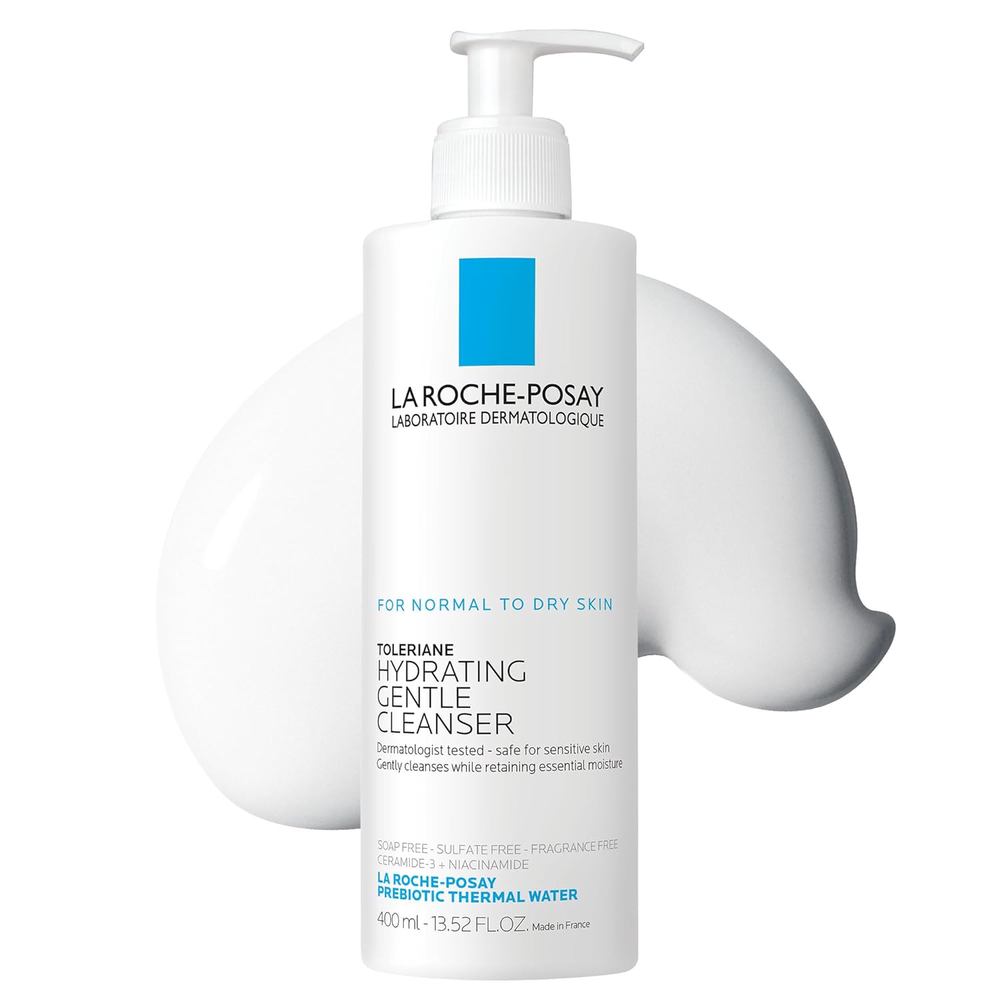
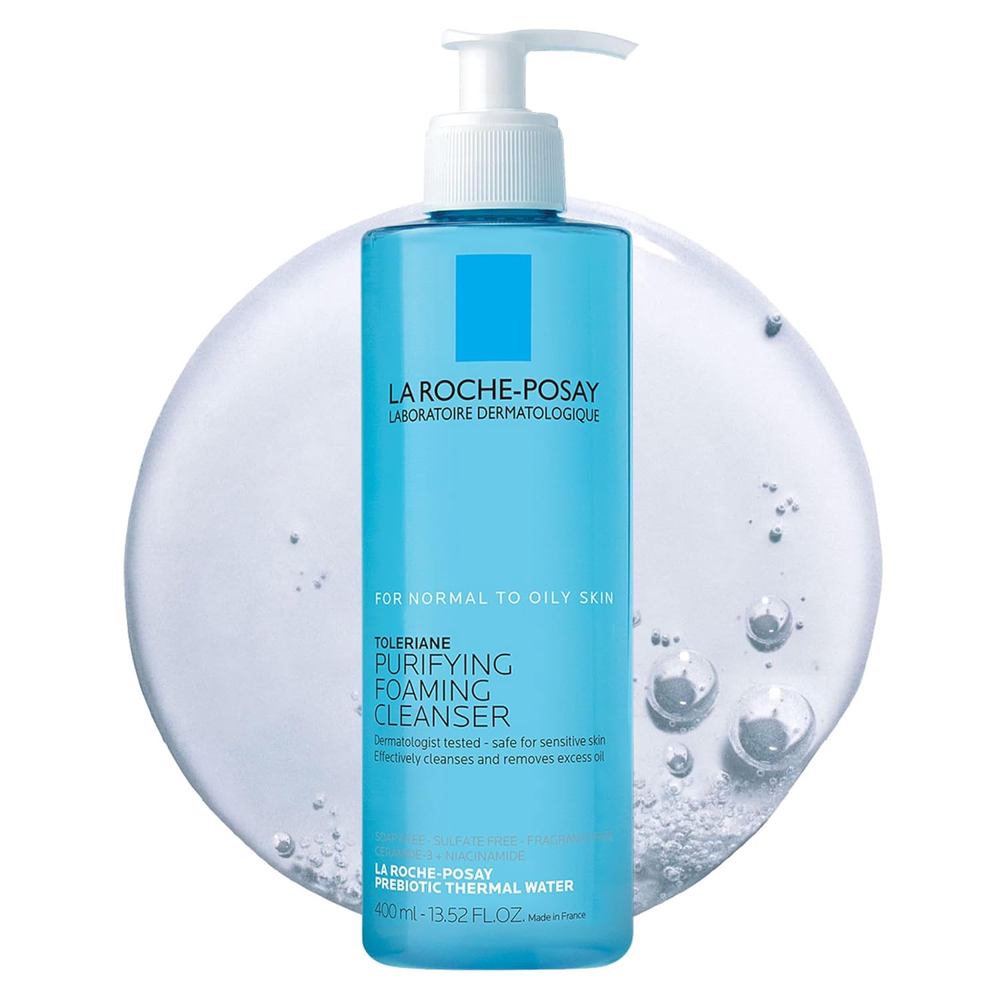
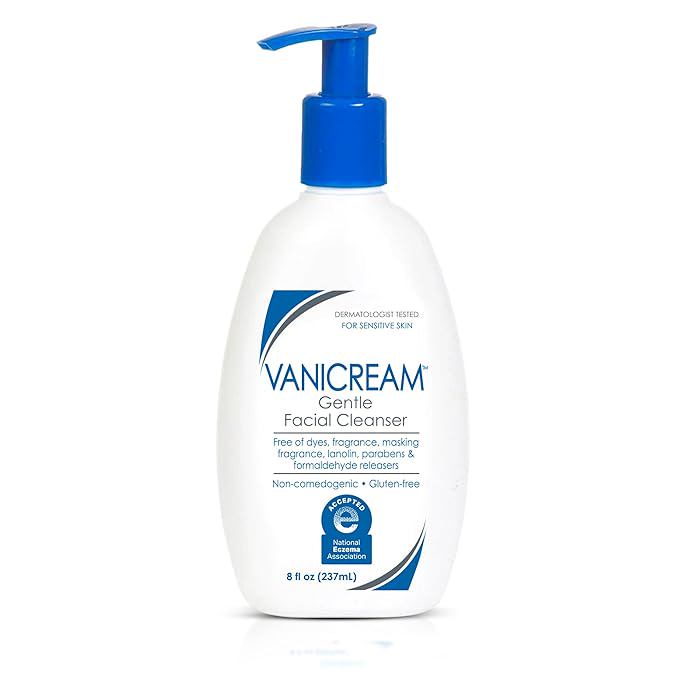
If you feel an urgent need to apply moisturizer within a minute of drying your face to relieve that tight sensation, your cleanser is likely the culprit. For oily skin, opt for gel or foaming cleansers labeled “gentle” or “balanced,” and avoid those with high concentrations of sulfates (like sodium lauryl sulfate), which are potent degreasers.
You’re Experiencing Shine and Flakes Simultaneously
This is the confusing hallmark of a damaged barrier: an oily yet flaky complexion. You may notice shine across your T-zone or entire face, but when you look closely or apply makeup, patches of dry, peeling skin become apparent.
Here’s what’s happening. When your barrier is compromised, water evaporates from your skin more easily—a process called trans-epidermal water loss. This dehydration signals your oil glands to go into overdrive to compensate, leading to surface oiliness. At the same time, the disrupted skin cycle causes a buildup of uneven, flaky dead skin cells. You’re left with the worst of both worlds.
If your foundation consistently cakes, separates, or clings to dry patches despite an oily base, your products are likely too aggressive. This is not typical oily skin behavior; it’s a sign of imbalance.
Increased Redness, Stinging, or Reactivity to Familiar Products
Oily skin can be sensitive, too. When your barrier is weakened, nerves in your skin become more exposed. Ingredients you once tolerated may suddenly cause tingling, burning, or visible redness. You might notice this most when applying your toner, treatment serum, or even your usual moisturizer.
Pay particular attention to products containing active ingredients like:
- Alcohol (denatured or SD alcohol): Often high in toners for a ‘quick-dry’ matte effect, it can be extremely drying and irritating.
- Fragrance: Both synthetic and natural essential oils can provoke sensitivity in barrier-compromised skin.
- Overuse of actives: Using salicylic acid, glycolic acid, or retinoids too frequently or in high concentrations without proper hydration can lead to irritation.
A gentle, fragrance-free moisturizer shouldn’t sting. If it does, it’s a major red flag that your skin’s defenses are down and your prior steps are too harsh.
How to Course-Correct with Kindness
If you recognize these signs, don’t panic. The goal is to reset and repair, not to abandon oil control entirely. A methodical, gentle approach can restore balance.
1. Simplify and Soothe
For 1-2 weeks, pare your routine down to the basics: a gentle cleanser, a simple moisturizer, and sunscreen. Look for barrier-supporting ingredients like ceramides, niacinamide, and glycerin. The objective is to stop the assault and give your skin the tools to repair itself.
2. Reintroduce Actives Slowly and Smartly
Once sensitivity subsides (no more stinging or tightness), you can slowly reintroduce oil-fighting actives. The key is to use them strategically, not universally. Apply a salicylic acid treatment only to oily areas or breakouts, not your entire face. Use a retinoid every other night, or even twice a week, followed by a moisturizer. Always listen to your skin’s response.
3. Hydration is Non-Negotiable
This is the most common mistake in oily skin care: skipping moisturizer. Hydrated skin is balanced skin. When you provide light, non-comedogenic hydration, your oil glands don’t receive the panic signal to produce excess oil. A gel-cream or oil-free moisturizer can be a game-changer.
Managing oily skin is a marathon, not a sprint. The most effective routine is one that respects your skin’s biology, working with it rather than against it. When you trade harshness for intelligent care, you’ll find the balance you’ve been looking for—not stripped and sensitive, but clear, calm, and comfortably matte.