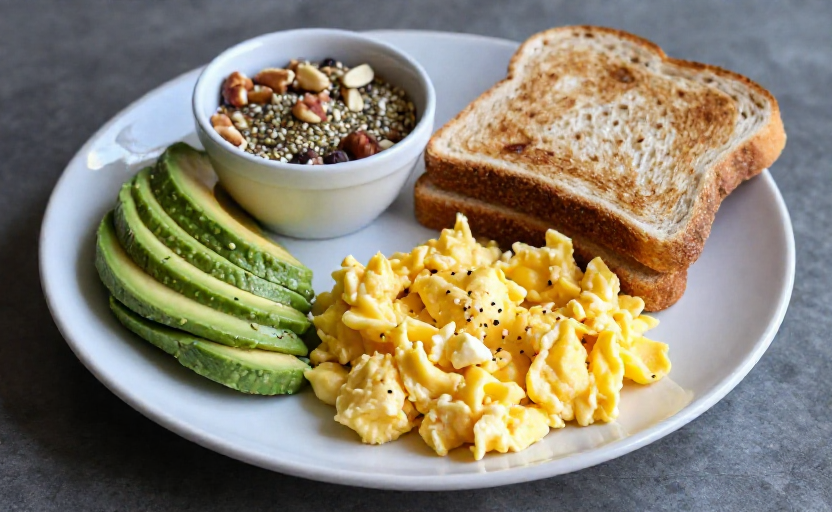
Starting your day with a vegetarian breakfast feels virtuous, but if you rely on the same few quick options every morning, you might be missing a critical component: protein. Many plant-based breakfast staples—toast, cereal, oatmeal, fruit—are carbohydrate-heavy and light on the amino acids your body needs to stay full, focused, and energized until lunch. Without enough protein, even a wholesome-looking breakfast can leave you hunting for snacks by mid-morning.
Here are three clear signals that your go-to vegetarian breakfast is falling short on protein, along with simple shifts to bring it back into balance.
1. You’re Hungry Again Within Two Hours
A breakfast that lacks protein gets digested quickly, causing blood sugar to rise and then drop sharply. This crash triggers rebound hunger, often for more carbs or sugar. If you find your stomach growling or your energy dipping before 10 a.m.—well before your usual lunchtime—that’s a strong clue your meal didn’t contain enough protein to keep you satisfied.
Try swapping half your usual bowl of oatmeal for a scoop of plain Greek yogurt or cottage cheese, or add a hard-boiled egg on the side. Even a quarter cup of almonds or pumpkin seeds stirred into cereal can extend satiety by hours.
Protein takes longer to digest than simple carbs, so it naturally slows the release of sugar into your bloodstream and keeps hunger at bay longer.
2. You Feel Foggy or Low on Energy by Late Morning
Mental clarity and stable energy are closely tied to blood sugar regulation. A protein-poor breakfast can lead to a mid-morning slump where you feel groggy, irritable, or unable to concentrate. That’s because your brain, like every other organ, relies on a steady supply of fuel—and protein helps moderate how fast that fuel arrives.
If you’re accustomed to a bagel with jam or a bowl of sweetened cereal, experiment with adding a protein source. A tofu scramble with veggies, a bean-based breakfast burrito, or even a smoothie fortified with hemp seeds or silken tofu can make the difference between a productive morning and a haze of fatigue.
3. Your Breakfast Relies Heavily on Refined Grains and Sweeteners
Many easy vegetarian breakfasts—pancakes, muffins, instant oatmeal packets, white toast with butter—are built on refined flour and added sugar. These ingredients provide quick energy, but they lack the protein and fiber that slow digestion. A breakfast that is mostly carbohydrate with minimal protein will almost always be insufficient for sustained energy.
Look at your plate: if the dominant ingredients are white flour, sugar, or fruit juice, you probably need to add a protein-rich component. Consider swapping white toast for a slice of hearty whole-grain bread topped with mashed avocado and a sprinkle of nutritional yeast, or switch from sweetened instant oatmeal to steel-cut oats cooked with milk and topped with nuts and seeds.
Easy Fixes for a Protein-Balanced Vegetarian Breakfast
You don’t need to cook a complicated meal to hit a protein target. Small adjustments to familiar foods can make a big difference:
- Add eggs or dairy — A couple of eggs, a serving of Greek yogurt, or a slice of cheese can boost any breakfast by 10–15 grams of protein.
- Stir in nuts, seeds, or nut butter — Chia seeds, flaxseeds, almonds, or peanut butter add protein plus healthy fats and fiber.
- Include legumes — A small bowl of leftover lentil soup or a black bean breakfast wrap is an easy way to sneak in plant protein.
- Try protein-rich grains — Quinoa, amaranth, and buckwheat contain more protein than rice or oats, and work well in porridges or breakfast bowls.
Aim for roughly 15–25 grams of protein at breakfast. That’s about two eggs plus a slice of whole-grain toast with almond butter, or a cup of Greek yogurt with berries and a tablespoon of hemp seeds.
Paying attention to these warning signs can help you fine-tune your morning meal so that it truly supports your energy, focus, and appetite throughout the day. Small tweaks—like adding a handful of nuts or swapping a sweet pastry for a savory egg dish—can turn a low-protein breakfast into a balanced one without adding much time or effort.