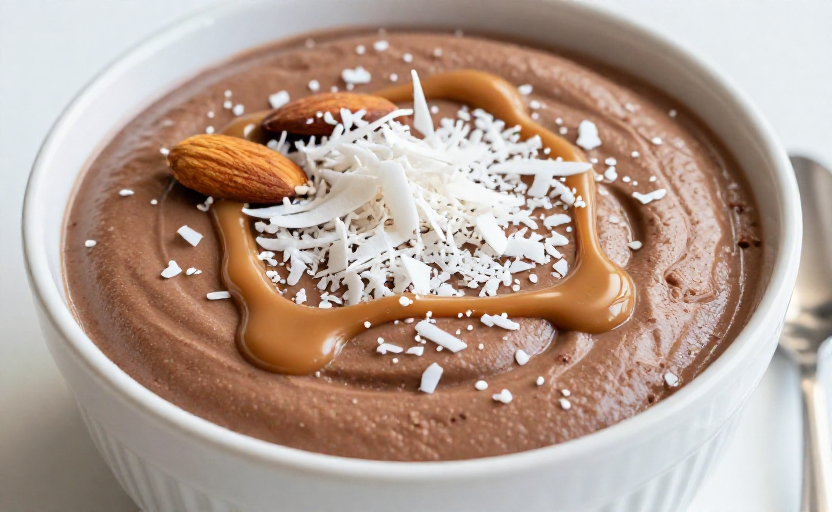
Switching to dairy-free desserts often feels like a win for your digestion and overall wellness. But there's a catch that many people overlook: the fat content. When you remove dairy, you also strip away the natural fats that help your body absorb nutrients and keep you satisfied. A dairy-free treat that skimps on healthy fats can leave you feeling hungry, low on energy, and missing out on key fat-soluble vitamins.
So how do you know if your favorite plant-based dessert is falling short? Here are three clear warning signs that your dairy-free dessert might be lacking the healthy fats it needs—and what to look for instead.
1. It Leaves You Hungry Within an Hour
One of the most telling signs is how you feel after eating. If you finish a dairy-free brownie or coconut yogurt and find yourself craving something more within an hour, the fat content is likely too low. Fat slows digestion and promotes satiety, meaning it keeps you full for longer. When a dessert is fat-free or very low in fat, your blood sugar may spike and then crash, triggering hunger and cravings.
Read the label for fat sources like coconut cream, almond butter, tahini, or avocado. A dessert with at least 5–10 grams of fat per serving is more likely to keep you content until your next meal.
2. The Texture Is Gummy or Icy
Texture is a major clue. Healthy fats contribute to a smooth, creamy mouthfeel in dairy-free desserts. If your ice cream alternative feels icy, crumbly, or gummy, it probably lacks enough fat. Fats help stabilize the structure of frozen treats and prevent large ice crystals from forming. Similarly, baked goods that are dry or dense may be missing the fat that normally tenderizes the crumb.
Look for ingredients such as cashew cream, full-fat coconut milk, or cacao butter. These provide the richness your dessert needs without relying on dairy.
3. The Ingredient List Reads Like a Chemistry Lab
When healthy fats are absent, manufacturers often compensate with stabilizers, gums, and artificial thickeners to mimic texture. If you see a long list of unfamiliar ingredients—like carrageenan, guar gum, or cellulose gel—that's a red flag. Real food sources of fat do the job naturally.
Choose desserts with whole-food fat sources that you recognize. Avocado, nut butters, coconut, and even a drizzle of olive oil in a sorbet can supply the fat your body needs without the additives.
Why Healthy Fats Matter in Dairy-Free Desserts
Beyond taste and texture, healthy fats play a vital role in how your body processes the dessert. Vitamins A, D, E, and K are fat-soluble, meaning they require fat for absorption. If your dessert is fortified with these vitamins but lacks fat, you may not fully benefit from them. Additionally, fats can blunt the glycemic impact of sugars, making a dessert less likely to cause a blood sugar roller coaster.
That doesn't mean all fats are created equal. Aim for unsaturated and naturally occurring saturated fats from plants. Avoid partially hydrogenated oils and trans fats. Good options include coconut oil, cacao butter, almond butter, and avocado.
Simple Swaps to Add Healthy Fats
If you suspect your dessert is missing the mark, you don't have to give it up. Here are a few ways to boost the fat content without losing the flavor:
- Blend in a tablespoon of nut butter into your nice cream or smoothie bowl.
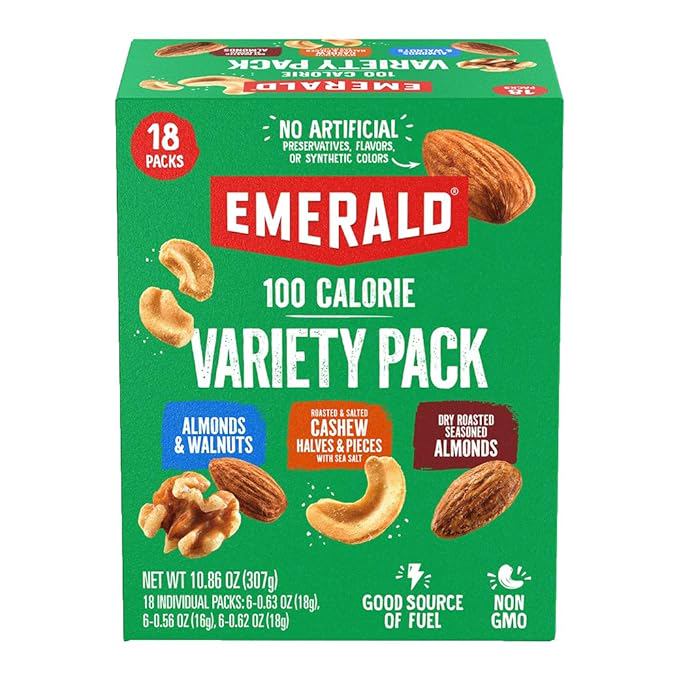
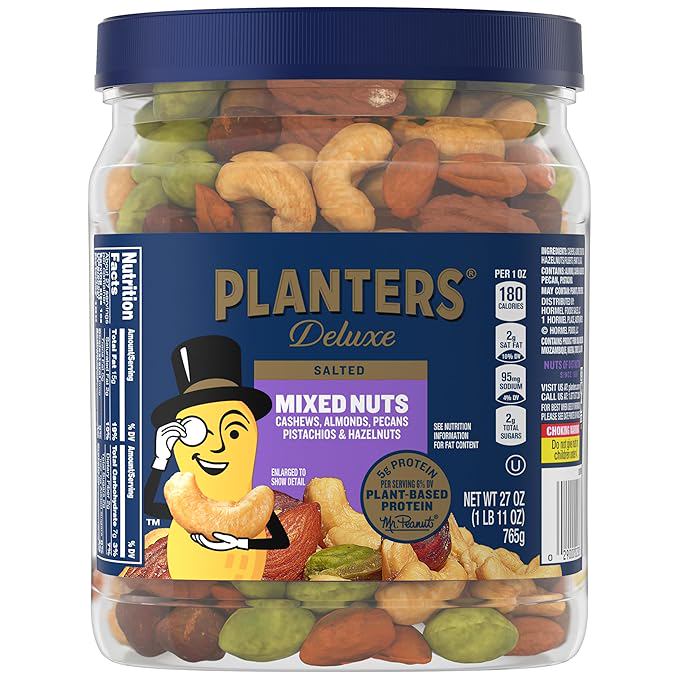
- Top with chopped nuts or seeds like walnuts, hemp seeds, or slivered almonds.
- Use full-fat coconut milk instead of light versions when making puddings or ice cream.
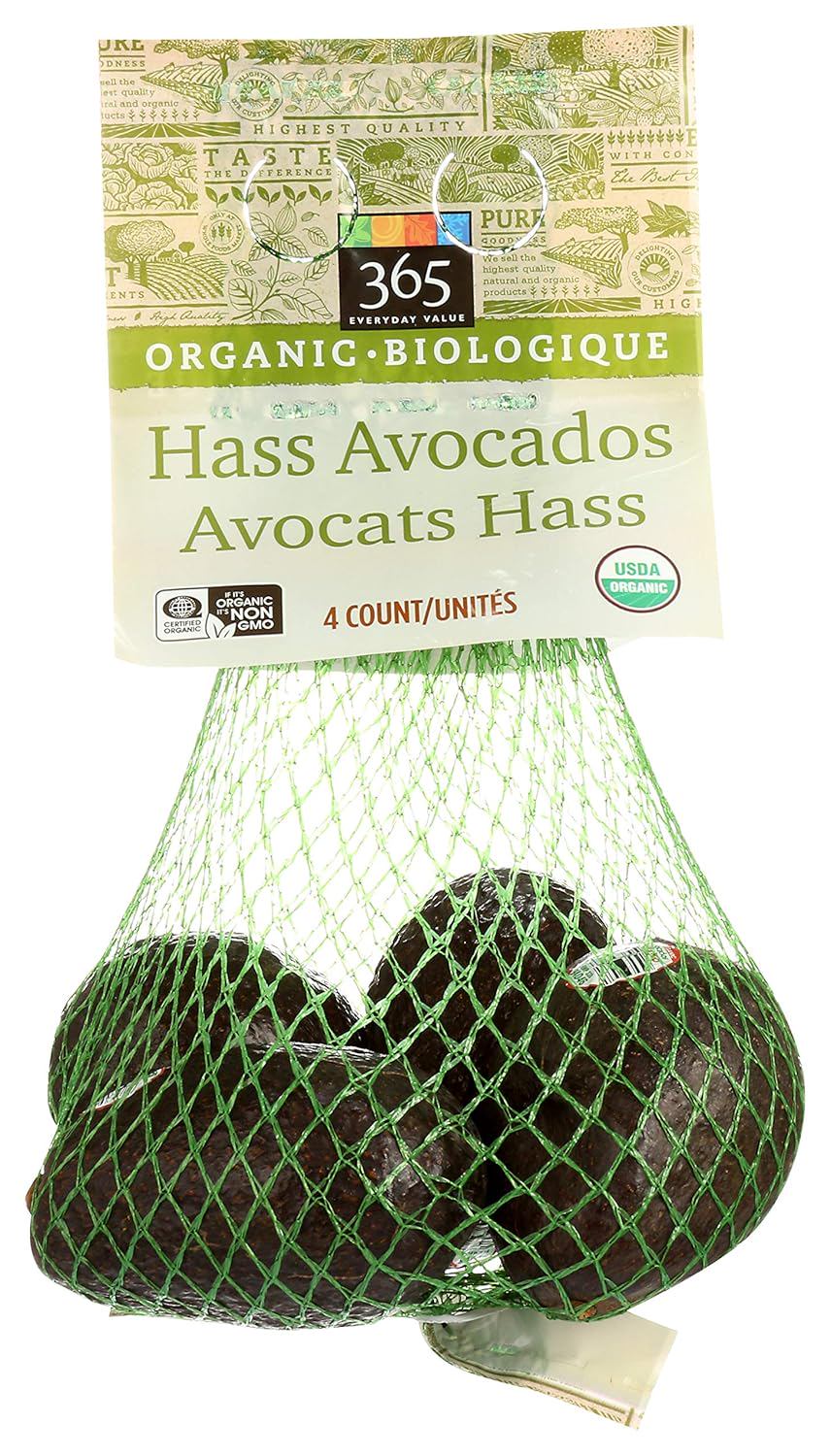
- Add a spoonful of avocado to chocolate mousse for creaminess and healthy monounsaturated fats.
One simple principle: if your dessert leaves you feeling unsatisfied or you can't pronounce half the ingredients, it's time to look for a version that includes real, whole-food fats.
Bottom Line
Dairy-free desserts can absolutely be part of a healthy diet. The key is to make sure they deliver enough healthy fats to support your body's needs. Watch for the three signs—hunger soon after eating, poor texture, and a long ingredient list—and you'll be able to choose or create desserts that nourish as well as they satisfy.