
Muscle soreness after a solid workout is often seen as a badge of honor—a sign that you pushed hard and earned your progress. But there is a clear line between productive muscle fatigue and the kind of deep, lingering soreness that actually holds you back. If you are following a training split, the structure of your week might be the hidden culprit turning healthy recovery into chronic discomfort.
When soreness stops being a transient sensation and starts interfering with your daily movement, sleep, or next session, it is time to look at how you are organizing your training. Here are three unmistakable warning signs that your current split is causing too much muscle soreness—and what to do about it.
1. Your Soreness Hasn’t Subsided by the Time You Train That Muscle Again
This is the most direct red flag. Most training splits are built around a weekly cycle: you hit chest on Monday, back on Tuesday, legs on Wednesday, and so on. If you are still feeling significant soreness in your quads or shoulders when their next workout rolls around seven days later, something is off.
While some residual tenderness is normal—especially after a new movement or a heavier load—persistent soreness past the 72-hour mark often points to a volume or frequency mismatch. Your split may be concentrating too much work on one muscle group in a single session, or you might not be giving that group enough recovery days before you indirectly hit it again through compound lifts.
Quick check: If you are wincing when you sit down to train legs, or your bench press feels weak because your triceps are still fatigued from earlier back work, you are overrunning your recovery window.
The fix: Spread the total volume for each muscle group across more sessions per week. Instead of 20 sets of chest in one day, try 10 sets twice a week. This reduces the acute damage per session while keeping total stimulus high. You can also add an extra recovery day between sessions for stubborn muscle groups.
2. You Notice a Steady Decline in Performance Across the Week
Everyone has an off day now and then, but a pattern of decreasing strength, endurance, or movement quality as the week progresses is a clear warning. If your Monday squat feels strong, your Wednesday deadlift is sluggish, and by Friday you can barely hit your usual numbers on the overhead press, your split may be stacking systemic fatigue.
This happens when a split does not account for how much central nervous system (CNS) drain each workout creates. Heavy lower-body days, for example, are far more taxing than isolation arm work. If you schedule two brutal sessions back to back, your body never fully resets. The soreness becomes a baseline state, and your workouts suffer because you are always starting from a partially recovered position.
The fix: Organize your split so that the most demanding workouts are followed by lighter, less CNS-intensive days. A common pattern is to place a heavy squat or deadlift day before an upper-body hypertrophy or accessory day. This respects your recovery curve and keeps soreness from snowballing.
3. Your Daily Life Is Affected More Than Your Workouts
Some degree of soreness during training is expected. The problem is when it spills over into the rest of your day. If you are finding it hard to walk down stairs, sleep restfully, or sit comfortably at a desk because your legs are constantly aching, the load and split have tipped from productive to punitive.
Chronic excessive soreness can also disrupt your sleep quality—muscle pain makes it harder to fall and stay asleep, which in turn impairs recovery and increases cortisol. This creates a feedback loop where you are sore because you are not recovering, and you are not recovering because you are sore.
Another practical sign: you are altering your daily movement patterns to avoid pain. Maybe you are walking stiff-legged or avoiding bending over. That is not muscle growth; that is compensation behavior that can lead to poor biomechanics and joint strain.
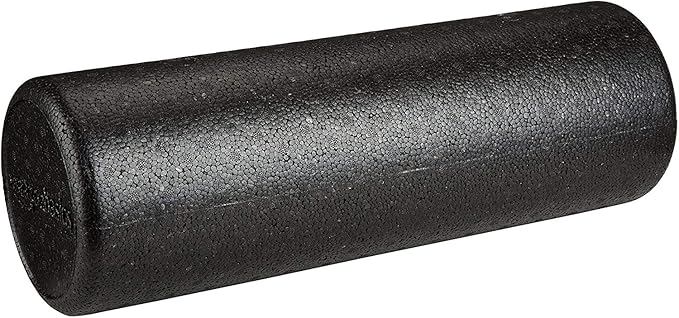
The fix: Implement planned deload weeks every 4–6 weeks, even if you feel good. On a daily basis, incorporate 10–15 minutes of low-intensity movement on rest days—walking, stretching, or foam rolling. If your split has you feeling wrecked most of the week, you need to either reduce overall volume or swap one of your high-intensity sessions for active recovery work.
How to Diagnose the Balance
You do not need a sports scientist to tell you whether your training split is working. The simplest diagnostic is honest self-assessment. Ask yourself three questions each week:
- Do I feel eager to train, or am I dreading the workout?
- Is my soreness usually gone within 48 hours, or does it linger for days?
- Are my numbers trending up, plateauing, or dropping?
If you answered with concern to any of these, your split needs adjusting. The goal of a good training split is not to avoid soreness entirely—it is to keep soreness in a controlled range where it signals adaptation without causing breakdown.
Remember that context matters. Beginners, older lifters, and individuals returning after a break will feel more soreness on less volume. A split that works for an advanced lifter might overwhelm someone with less recovery capacity. Listen to your body, but also look at the structure of your week with a critical eye.