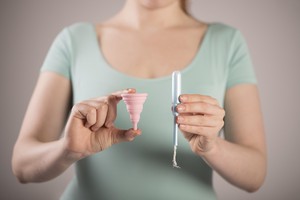

For many teens, period cramps are a monthly nuisance that can be managed with a heating pad or some rest. But how do you know when the pain is more than just "normal" cramping? Severe period cramps — also known as dysmenorrhea — can signal an underlying health issue that needs medical attention. While discomfort is common, there are specific red flags that parents and teens should never brush off.
Below, we break down the three warning signs that suggest period cramps may be severe enough to require a doctor's visit. Recognizing these symptoms early can prevent complications and help teens get the care they need.
1. Pain that makes it impossible to function
Mild cramps might make you reach for an over-the-counter pain reliever or take it easy for an afternoon. Severe cramps, however, are a different story. If a teen regularly misses school, cancels social plans, or cannot get out of bed due to menstrual pain, that is not a normal part of having a period.
Pain that interferes with daily activities — especially if it happens every cycle — is a sign that something more than routine prostaglandin activity might be going on. Conditions such as endometriosis or uterine fibroids can cause debilitating pain that over-the-counter medications barely touch. If a teen is relying on prescription painkillers or is frequently unable to participate in normal activities, it's time to speak with a healthcare provider.
2. Cramps accompanied by heavy bleeding or large clots
Severe cramping combined with heavy bleeding is a classic warning sign. A period is considered heavy if a teen soaks through a pad or tampon every hour for several consecutive hours, or if the bleeding lasts more than seven days. Passing clots larger than the size of a quarter alongside intense pain is also a red flag.
This combination can lead to anemia, fatigue, and dizziness — and it may point to conditions like adenomyosis, polyps, or a bleeding disorder. The pain from heavy bleeding is often caused by the uterus working harder to contract and expel the blood and clots. A healthcare professional can evaluate whether the bleeding and pain are within a safe range or if further investigation is needed.
3. Cramps that start before the period or last beyond it
For most teens, cramps begin a day or two before their period starts and ease up within the first few days of bleeding. If the pain starts a week or more before menstruation, or if it continues for days after the bleeding stops, that is a sign that inflammation or tissue growth may be involved.
Endometriosis, for example, can cause pelvic pain throughout the entire cycle, not just during the period. Ovarian cysts can also trigger sharp or dull pain that lingers. Tracking the timing of the pain in relation to the menstrual cycle can help a doctor narrow down the possible causes. If the cramping seems disconnected from the typical period timeline, it's worth investigating.
Reminder: Experiencing any of these signs does not automatically mean something is wrong, but they are reason enough to seek a medical opinion. Early diagnosis can make a significant difference in treatment options and quality of life.
What to do if you spot these signs
If you or a teen you know is showing any of these warning signs, start by keeping a symptom diary. Note the severity of the pain, how long it lasts, the flow level, and any other symptoms like nausea or dizziness. This record is invaluable for healthcare providers.
Schedule an appointment with a gynecologist or a primary care doctor who specializes in adolescent health. They may recommend an ultrasound or other imaging to check for structural issues. In many cases, treatment options such as hormonal birth control, anti-inflammatory medications, or physical therapy can significantly reduce pain.
The bottom line: period pain is common, but severe pain is not something a teen simply has to "tough out." By recognizing these three warning signs, families can take proactive steps to protect a teen's long-term reproductive health and overall well-being.