After a long day, standing over a cutting board to chop vegetables for dinner can feel like the hardest part of the meal. A few smart knife techniques can shave minutes off your prep time and make the whole process feel less like a chore. Here are three practical tips to help you get dinner on the table faster.
1. Master the Rock Chop
The rock chop is the most efficient way to work through a pile of onions, carrots, or celery. Instead of lifting the knife completely off the board, keep the tip on the cutting board and pivot the blade up and down in a smooth arc. This motion keeps the knife moving continuously, so you never lose rhythm. Keep your guiding hand in a claw shape—tucking your fingertips under your knuckles—to stay safe while the blade moves quickly.
Practice with a medium-sized onion: cut it in half through the root end, peel it, and then rock-chop it into even pieces. Once you build the muscle memory, you will finish in half the time it used to take.
2. Cut Round Vegetables into Planks First
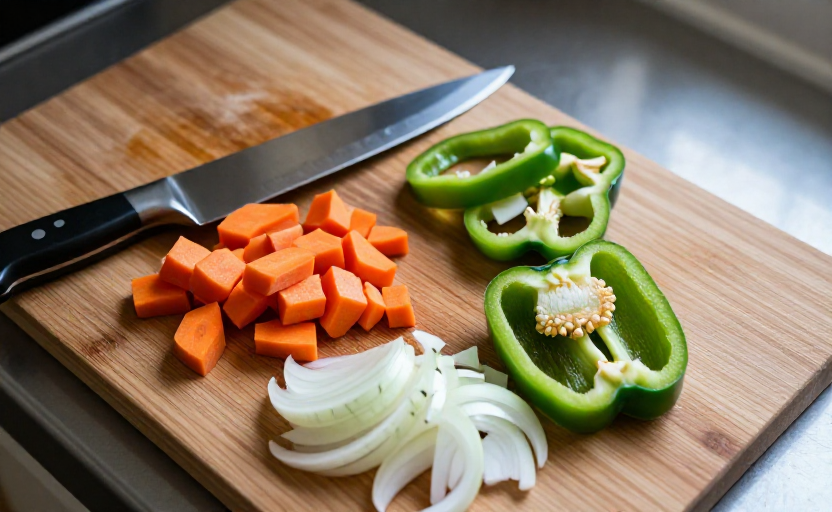
Wobbly round vegetables like potatoes, bell peppers, or zucchini are slow and dangerous to slice because they roll around. The fix is to cut a thin, stable slice off one side of the vegetable, creating a flat base. Place that flat side down on the board, and then cut the vegetable into even planks. Stack those planks, line them up, and cut across into dice or strips. This technique is faster and much safer than chasing a rolling object around the board.
Tip: This works beautifully for butternut squash too. Cut the neck into planks first, then dice.
3. Prep Vegetables in a Logical Order
Save time by prepping your vegetables in the order you will cook them. Roots and dense vegetables like carrots and potatoes go into the pan first, so chop them while the oil heats. Quick-cooking vegetables like bell peppers, mushrooms, or zucchini can wait until last. This way you are not creating a pile of pre-chopped veggies that sit around while you search for the next step—you chop and cook in one smooth flow. Keep a small bowl for scraps on the board and another for finished vegetables near the stove. This simple workflow keeps you moving and cuts down on cleanup time.
Making It Easier on Yourself
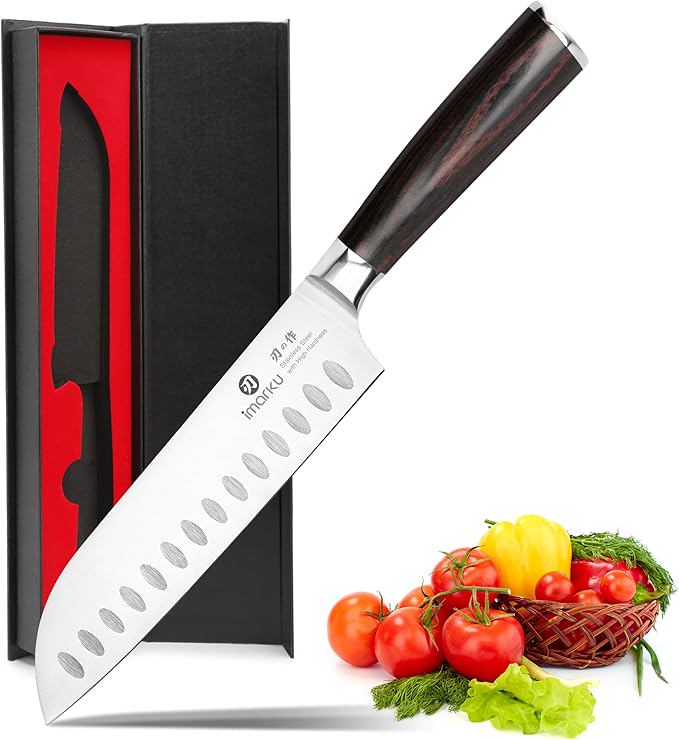
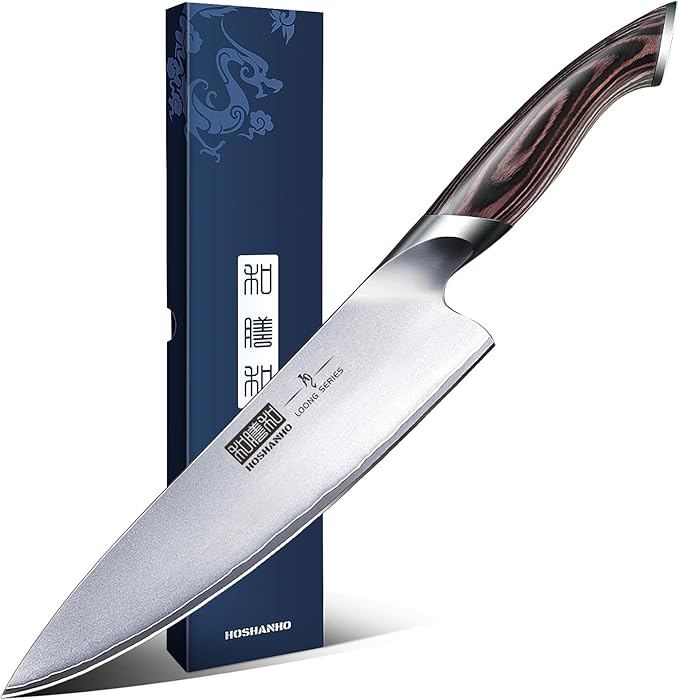
A good chef’s knife makes a real difference. Even a modestly priced knife that is kept sharp will cut through vegetables cleanly, reducing hand fatigue and the temptation to rush. Take a moment to hone the blade before you start, and use a cutting board that gives the knife a solid, non-slip surface. Pair these tips with a little practice, and you will spend less time chopping and more time enjoying your meal.