
You finish a tough workout feeling powerful and clear-headed. But a few hours later, you catch your reflection and notice a fresh crop of small, red bumps along your jawline or forehead. It’s frustrating, especially when you’re doing something good for your body. What you’re seeing may not be typical acne — it could be a stress breakout triggered by your workout itself.
Exercise-induced breakouts are common, but they aren’t inevitable. Understanding the specific signs that your sweat and routine are working against your skin can help you make small adjustments that prevent flares without sacrificing your fitness goals. Here are three key signs that your workout might be causing stress breakouts, plus practical ways to keep your skin calm and clear.
Sign #1: Breakouts appear mainly on your chin, jawline, or hairline
Where pimples show up matters. Stress-related breakouts — often linked to cortisol — tend to cluster in the lower face, especially along the jawline and chin. If you notice bumps in these areas after exercise, it may not be your gym hygiene alone. When you push through a hard workout, your body releases cortisol, which can increase oil production in sebaceous glands. Combine that with sweat pooling along your jaw and hairline, and you have a recipe for clogged pores.
To prevent this, focus on what happens during your workout. Keep a small, clean towel handy to gently pat — not rub — sweat away from your face throughout your session. If you wear your hair down, pull it back with a soft headband or clip to reduce sweat transfer onto your skin.
Sign #2: Your breakouts feel inflamed and tender, not just clogged
Standard whiteheads or blackheads are one thing. But stress breakouts often show up as deep, red, painful bumps that feel tender to the touch. This inflammation is a direct response to cortisol, which can increase skin sensitivity and slow down healing. When you add sweat that contains salt, dirt, or residual bacteria from equipment, the irritation intensifies.
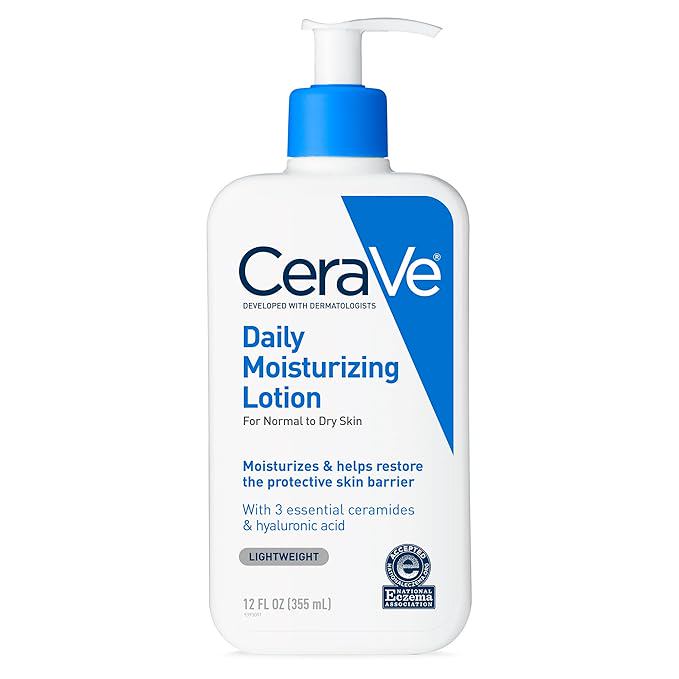
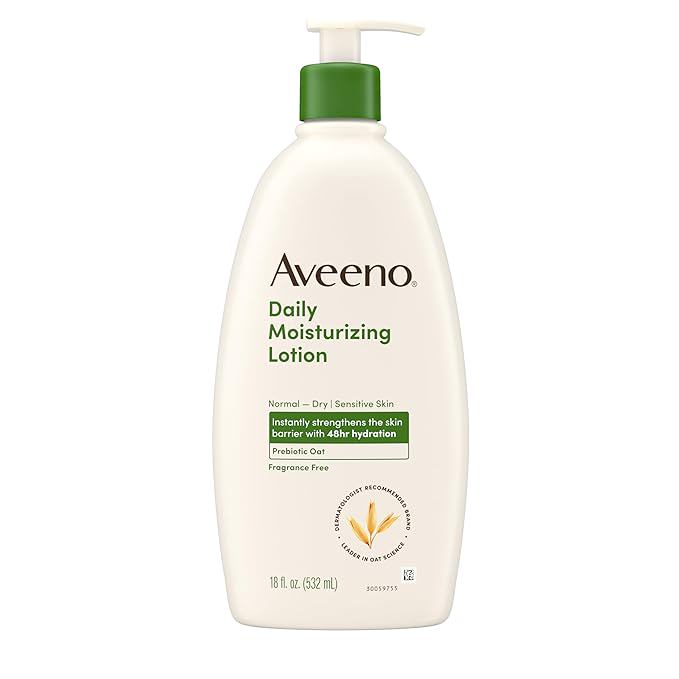
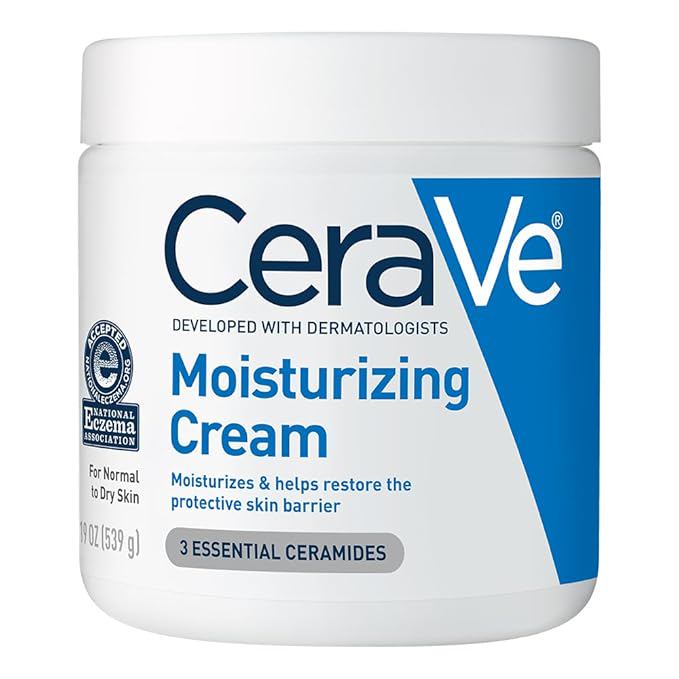
If you’re seeing these angry bumps after workouts, try this pre-gym step: apply a thin layer of a non-comedogenic barrier cream or a zinc-based balm to your face before exercising. This creates a protective shield between your skin and sweat without clogging pores. After your workout, skip the harsh scrubbing. Instead, use a gentle, sulfate-free cleanser and follow up with a soothing moisturizer that contains ceramides or niacinamide.
Sign #3: Breakouts appear within 24 to 48 hours after your workout
Regular acne usually builds over several days. Stress breakouts, however, can show up fast — often within a day or two after a particularly intense session. If you notice a correlation between a tough spin class or a heavy lifting day and fresh breakouts the next morning, your body may be signaling a cortisol spike that affects your skin.
One effective approach is to lower your core temperature quickly after your workout. Take a cool shower (not freezing cold, but cool) within 15 minutes of finishing. This helps bring down inflammation and rinses sweat and bacteria off before they settle into pores. Change out of your sweaty clothes immediately, and avoid reaching for tight hats or headbands that trap sweat against the skin.
How to prevent workout-related stress breakouts
Beyond addressing each sign, a few consistent habits can reduce your overall risk. None of them require drastic changes to your routine, just thoughtful additions.
Wash your face before and after exercise
It might seem redundant, but a pre-workout cleanse removes dirt, oil, and leftover skincare products that could mix with sweat. Use a gentle water-based cleanser. After your workout, wash your face again — even if you feel like you didn’t sweat much. This double-cleansing habit stops impurities from sitting on your skin.
Keep your hands and phone off your face
During a set of burpees or kettlebell swings, it’s natural to wipe your forehead with your hand. But your hands carry bacteria and oil. Use a towel or a sweatband instead. Also consider cleaning your phone screen with an alcohol-free wipe if you use it for music or timers in the gym. Phone screens are notorious for transferring bacteria to your face.
Choose your workout fabrics wisely
Moisture-wicking, breathable fabrics — like poly-blend athletic wear — are better for your skin than cotton, which holds sweat and stays wet. If you have sensitive skin, look for clothing labeled as antimicrobial or designed to reduce friction. And remember: wash your gym clothes after every wear. Residual detergent and sweat buildup on fabric can trigger irritation.
Manage cortisol with post-workout recovery
Stress breakouts are partly hormonal, and recovery matters as much as the workout itself. Incorporate a cool-down period with slow breathing or light stretching. This signals your nervous system to downshift, which helps lower cortisol levels more gradually. Staying hydrated also supports your skin’s barrier function — drink water throughout your workout, not just after.
A calm finish to your workout is just as important as the first rep for keeping your skin clear.
When a breakout may not be sweat-related
It is worth mentioning that not every post-workout pimple is caused by cortisol or sweat. Acne mechanica — friction acne — is common among athletes and can look very similar. This type of breakout occurs when tight clothing, straps, or helmet straps rub against the skin repeatedly. If your breakouts line up exactly where your gym bag strap sits or where a sports bra band sits, it may be friction related. The fix here is making sure your gear fits well and doesn’t chafe. A thin layer of padding or silicone gel can help protect those areas.
If you have persistent, painful breakouts that do not respond to good hygiene and barrier creams, it might be time to speak with a dermatologist. They can evaluate whether your skin needs prescription-strength topicals or if an underlying condition like rosacea is at play.
Your workout routine should be a source of strength, not skin stress. By recognizing the signs early and adopting a few before-and-after habits, you can keep your skin balanced and your progress on track.