
You’re doing the right thing: cooking vegetarian dinners at home, keeping it quick, and relying on fresh produce. But even a plant-based meal can fall short when it comes to the one nutrient your gut needs most: fiber. If you’ve been feeling bloated, sluggish, or just not quite satisfied after eating, your plate might be telling you something.
Here are three telltale signs your fast vegetarian dinner is missing gut-healthy fiber—plus simple ways to fix it without adding extra prep time.
1. Your meal is soft and smooth — no crunch, no chew
A bowl of mashed potatoes, a handful of steamed veggies, and a side of white rice go down easy. But that’s exactly the problem. When everything on your plate is cooked to submission or processed into a smooth texture, you’ve likely stripped away most of the fiber that keeps your digestive system moving.
Fiber comes from the structural parts of plants — skins, seeds, stems, and hearty grains. When you skip those, you skip roughage. A meal that lacks any crunch, chew, or hearty bite often lacks enough insoluble fiber, the kind that adds bulk to stool and helps food pass through your intestines.
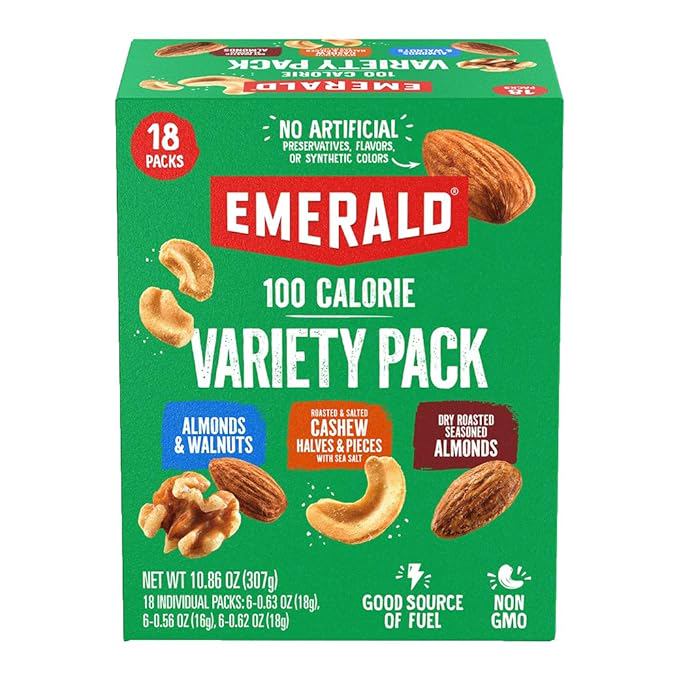
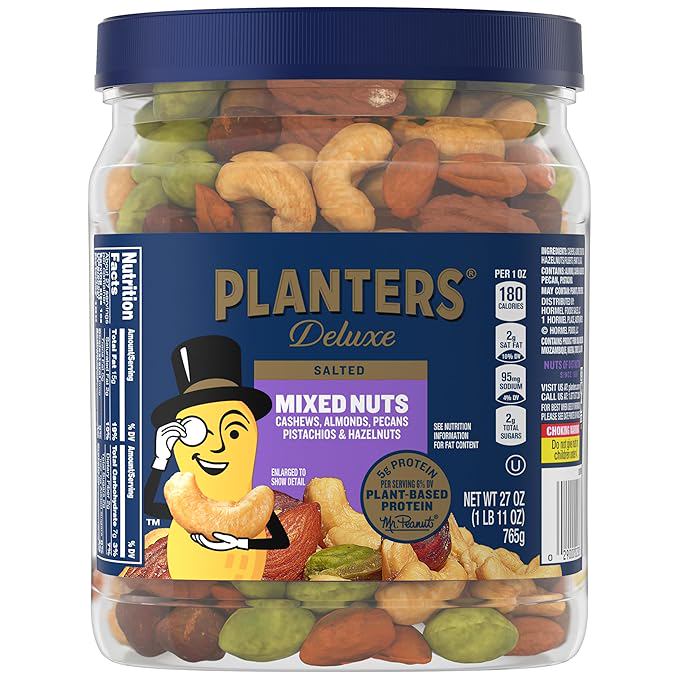
Quick fix: Leave the peels on potatoes and carrots. Toss in a handful of walnuts or sunflower seeds for texture. Swap white rice for brown rice, quinoa, or farro. Even a simple sprinkle of toasted nuts can turn a soft meal into a fiber-rich one.
2. You finish dinner but still feel hungry soon after
Soluble fiber dissolves in water to form a gel-like substance in your gut. That gel slows down digestion and helps you feel full longer. If you’re reaching for a snack an hour after a vegetarian dinner, your meal may have been low in soluble fiber.
Think about what you ate: maybe it was a creamy pasta, a cheese quesadilla, or a stir-fry with mostly broccoli and bell peppers. While those foods can be part of a balanced diet, they don’t deliver the kind of staying power that beans, lentils, oats, or barley provide.
Quick fix: Add a quarter cup of lentils or chickpeas to soups, salads, or pasta. Mash half an avocado onto toast instead of butter. Toss black beans into your rice bowl. These small swaps bring in soluble fiber and help your gut microbiome thrive.
Just one serving of cooked lentils (about half a cup) gives you 8 grams of fiber — roughly a third of your daily target.
3. Your vegetables come from a can or freezer bag — and they’re the same ones every time
Frozen and canned vegetables can be convenient and nutritious, but they often undergo processing that reduces fiber content. Plus, if you’re rotating the same three veggies — say, peas, corn, and green beans — you’re missing out on the wider variety of fiber types that feed different gut bacteria.
A healthy gut microbiome thrives on diversity. Different plants contain different kinds of fiber: some are fermentable (they feed your good bacteria), others provide bulk, and some help regulate blood sugar. Eating the same narrow set of vegetables limits that variety.
Quick fix: Add one new vegetable to your rotation each week. Try jicama sticks, edamame, artichoke hearts, or shredded cabbage. Keep a bag of frozen spinach on hand to stir into sauces and soups. Roast cauliflower or Brussels sprouts instead of steaming. The more colors and textures, the better.
How much fiber do you really need?
The general recommendation for adults is about 25 to 30 grams of fiber per day. Most people get less than half that amount. If you’re eating vegetarian but relying on refined grains, cheese-heavy dishes, or processed meat substitutes, you can easily fall short.
Fiber isn’t just about digestion. It also helps maintain healthy cholesterol levels, stabilizes blood sugar, and supports a balanced gut microbiome. And because it fills you up without adding many calories, it can make it easier to maintain a healthy weight.
Simple ways to boost fiber in any quick vegetarian dinner
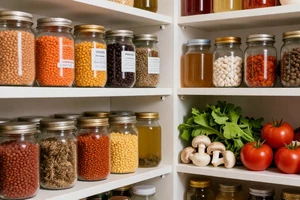
- Start with beans or lentils. Canned (rinsed) beans count — they’re still high in fiber. Use them in tacos, salads, or grain bowls.
- Choose whole grains. Barley, farro, quinoa, and brown rice all deliver more fiber than white pasta or white rice.
- Don’t peel everything. The skin of apples, potatoes, cucumbers, and eggplants contains a good chunk of total fiber.
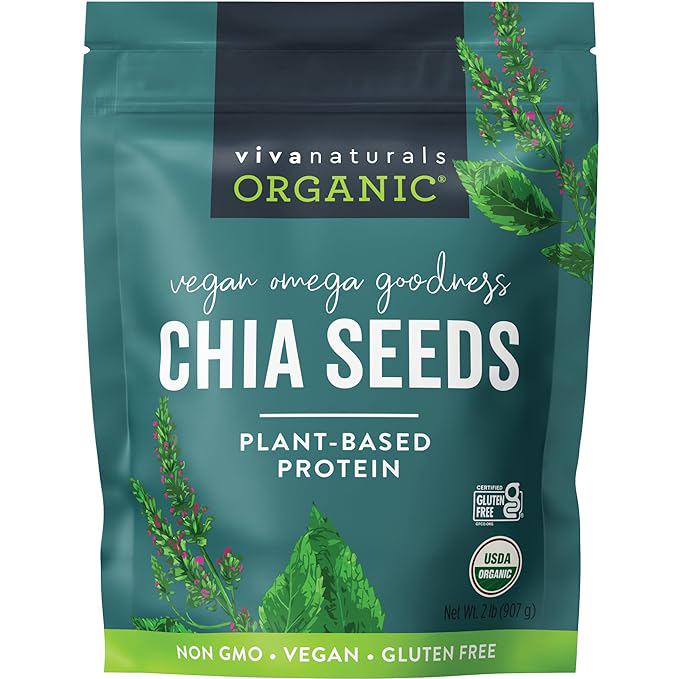
- Add nuts and seeds. A tablespoon of chia seeds, flaxseeds, or walnuts adds fiber and healthy fats without changing the flavor much.
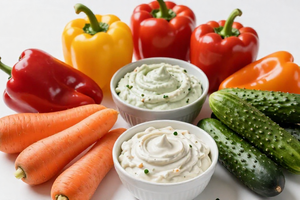
- Include a raw element. Even a small side salad of shredded carrots, cucumber slices, or cherry tomatoes brings live fiber into the meal.
Pay attention to how you feel after dinner. If you’re bloated, hungry again soon, or missing that satisfying chew, your gut is probably asking for more fiber. The good news: small tweaks make a big difference. You don’t need a complete kitchen overhaul — just a few thoughtful additions to your plate.