
You crush your workout—sweat, effort, maybe a little grunting. You refuel. But if your legs still feel like wet concrete the next day, or your progress has plateaued, the problem might not be your training. It might be what you’re eating after.
A post-workout meal should repair muscle tissue and restock energy stores. But some common habits actually sabotage that process. Here are three signs your recovery meal isn’t working, plus targeted fixes you can make today.
Sign #1: You Feel Heavy and Sluggish, Not Refueled
If your post-workout meal leaves you bloated, gassy, or unusually tired—that’s not recovery; that’s digestion stress. The classic culprit is eating too much fat or fiber too soon after a hard session. A chicken breast with a huge kale salad and avocado may be healthy in general, but it is not ideal right after lifting.
After exercise, blood flow shifts away from your digestive system and toward your muscles. A high-fat, high-fiber meal sits in your stomach, causing discomfort and delaying the delivery of protein and carbs to your muscles.
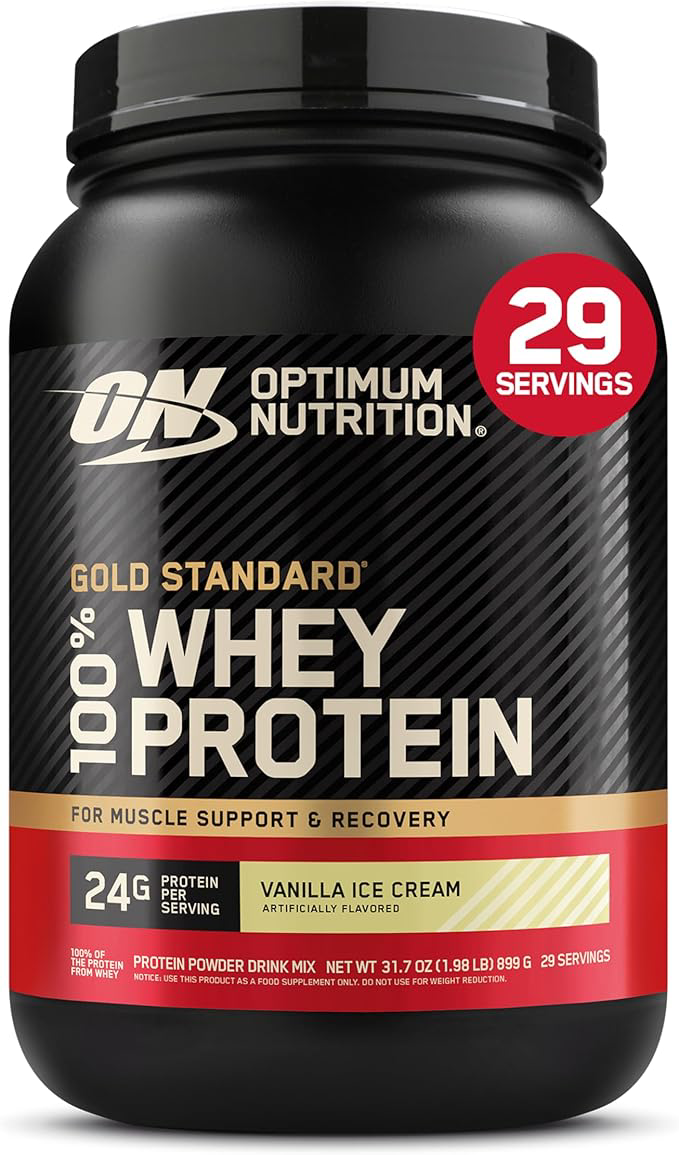
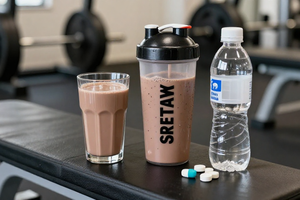
What to fix: Choose a smaller meal with moderate fat and low fiber for the first hour post-workout. A scoop of whey or plant protein with a banana or white rice works well. Save the giant salad and avocado for your next meal, when your body can handle the fiber and fat without competing with recovery.
Sign #2: You’re Not Progressing Despite Training Hard
Strength plateaus or slow muscle growth are often blamed on the workout itself. But if your routine is progressive and consistent, the bottleneck is likely nutrient timing or quantity. Specifically, you might be short on protein or total calories after training.
Research consistently shows that consuming around 20–40 grams of protein after resistance training stimulates muscle protein synthesis. But if your post-workout meal is mostly carbs—a bagel, a smoothie with no protein powder, or just fruit—you’re missing the raw materials for repair.
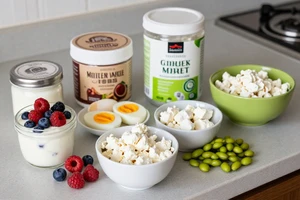
What to fix: Aim for a protein source at every post-exercise meal. If you are plant-based, pay extra attention: many plant proteins are lower in leucine, an amino acid that turns on muscle building. Combine foods like pea protein with rice, or soy with quinoa, to get a full amino acid profile. And don't skip the carbs entirely—they help shuttle protein into muscle cells.
Sign #3: You’re Still Sore Longer Than 48 Hours
Delayed onset muscle soreness (DOMS) is normal, especially after new or intense efforts. But if you are consistently sore for three or four days after each workout—despite eating what seems like a healthy meal—your recovery nutrition might be doing more harm than good.
One overlooked factor is inflammatory foods. A post-workout meal loaded with processed meats, sugary sauces, or deep-fried components can heighten systemic inflammation. That can prolong soreness and impair the muscle-repair cascade. Another hidden issue is insufficient carbohydrate replenishment. Without enough glycogen restoration, your muscles stay in a catabolic (breakdown) state longer.
What to fix: Shift toward anti-inflammatory recovery choices. Tart cherries, fatty fish (salmon or sardines), leafy greens, and colorful vegetables all help modulate inflammation naturally. Pair these with a quality carbohydrate—sweet potato, oats, or whole fruit—and a clean protein source. One simple template: a salmon fillet with roasted sweet potato and steamed broccoli.
A quick check: if your post-workout meal takes more than 15 minutes to prepare, you're likely adding complexity that does not serve immediate recovery. Keep the first meal simple and whole-foods based.
Practical Fixes That Work
If any of those signs sound familiar, here are three changes you can start with tomorrow:
- Time your protein. Eat or drink a protein-rich snack within 45–60 minutes after your last rep. This window matters for maximizing muscle protein synthesis.
- Cut the gut bomb. Avoid heavy fats (nuts, oils, fatty meats) and raw high-fiber vegetables immediately post-workout. Save them for later in the day.
- Add color, not process. Replace one processed post-workout food item (protein bar with long ingredient list, sugary sports drink) with a piece of whole fruit or a handful of berries.
Small adjustments to a single meal each day can shift how you feel and how your body adapts. If you're eating for recovery, make sure the food is actually doing its job—not fighting your efforts.