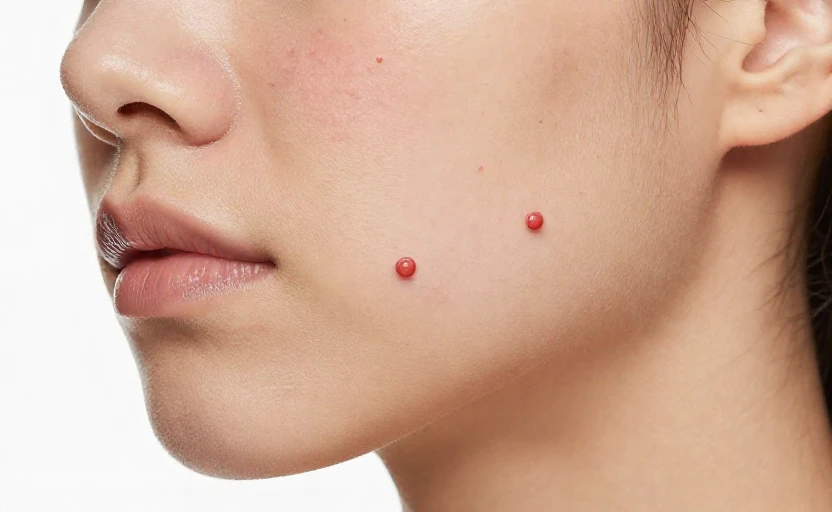
When a breakout feels different—deeper, more painful, and stubbornly resistant to your usual skincare routine—it can be both frustrating and confusing. Not all acne is created equal, and understanding what you’re dealing with is the first step toward finding relief. Cystic hormonal acne is a specific, more severe form that operates by its own rules.
Recognizing it isn't about self-diagnosis, but about building a clearer picture to discuss with a dermatologist. The clues are in the location, the sensation, and the pattern. Let's walk through the three hallmark signs that can help you distinguish these painful breakouts from more surface-level blemishes.
1. The Location Follows a Hormonal Map
While any acne can appear anywhere, cystic hormonal breakouts have a predictable pattern. They favor the lower half of the face—what dermatologists often call the "hormonal triangle." This includes the jawline, chin, and the area around the mouth. You might also find them along the neck or, less commonly, on the cheeks near the jaw.
This pattern isn't random. The sebaceous glands in these areas are particularly sensitive to hormonal fluctuations, especially androgens like testosterone. When these hormones surge or fluctuate—whether due to your menstrual cycle, stress, polycystic ovary syndrome (PCOS), or other factors—they signal these glands to produce more oil. That excess oil, mixed with dead skin cells, creates an environment where deep, inflamed cysts can form.
If your painful breakouts consistently cluster along your jaw and chin, it's a strong signal hormones are the primary driver.
2. The Lesions Are Deep, Painful, and Lack a "Head"
This is perhaps the most defining characteristic. Unlike a whitehead or pustule that comes to a visible head at the skin's surface, a cystic hormonal pimple forms deep within the pore, far beneath the surface.
- Deep and Subsurface: You can often feel it before you see it—a tender, hard lump under the skin. When it does become visible, it appears as a red, swollen bump without a central white or yellow point.
- Painful to the Touch: These lesions are inflamed and pressurized. They often throb or feel sore, even without touching them. The pain is a sign of significant inflammation deep in the skin.
- Not "Poppable": Attempting to squeeze one is not only painful but usually futile and damaging. Because the infection and inflammation are so deep, applying pressure forces it deeper, which can rupture the follicle wall and lead to more severe inflammation, a higher risk of scarring, and a longer healing time.
This deep-rooted nature is why over-the-counter spot treatments, designed to dry out surface blemishes, often have little to no effect on cystic acne.
3. The Timing Is Cyclical and Persistent
Cystic hormonal acne doesn't follow the sporadic, unpredictable schedule of typical breakouts. Its pattern is tied to internal rhythms.
For many people who menstruate, a flare appears like clockwork in the week or two leading up to their period, when progesterone levels rise and then fall. These cysts may slowly fade after menstruation begins, only to reappear the following cycle. This cyclical nature is a textbook indicator of a hormonal link.
Beyond the monthly cycle, these breakouts are also persistent. They don't clear up quickly. A single cyst can linger for weeks or even months, sometimes seeming to heal only to become inflamed again. New cysts often form in the same general area as old ones heal, creating a constant, low-level presence on the jawline or chin. This persistence, despite consistent skincare, is a key differentiator from a temporary breakout caused by a pore-clogging product or lifestyle factor.
What This Means for Your Next Steps
Identifying these signs isn't about labeling a problem—it's about directing your approach. Cystic hormonal acne is a medical skin condition that typically requires professional guidance. Its root cause is internal, so topical solutions alone are rarely sufficient.
A board-certified dermatologist can confirm the diagnosis and discuss management strategies that address the hormonal component. These may include prescription topical retinoids, oral medications like spironolactone (which blocks androgen receptors), or, in some cases, oral contraceptives formulated for acne. They can also provide safe, in-office treatments like corticosteroid injections to rapidly reduce inflammation in a painful cyst and minimize scarring.
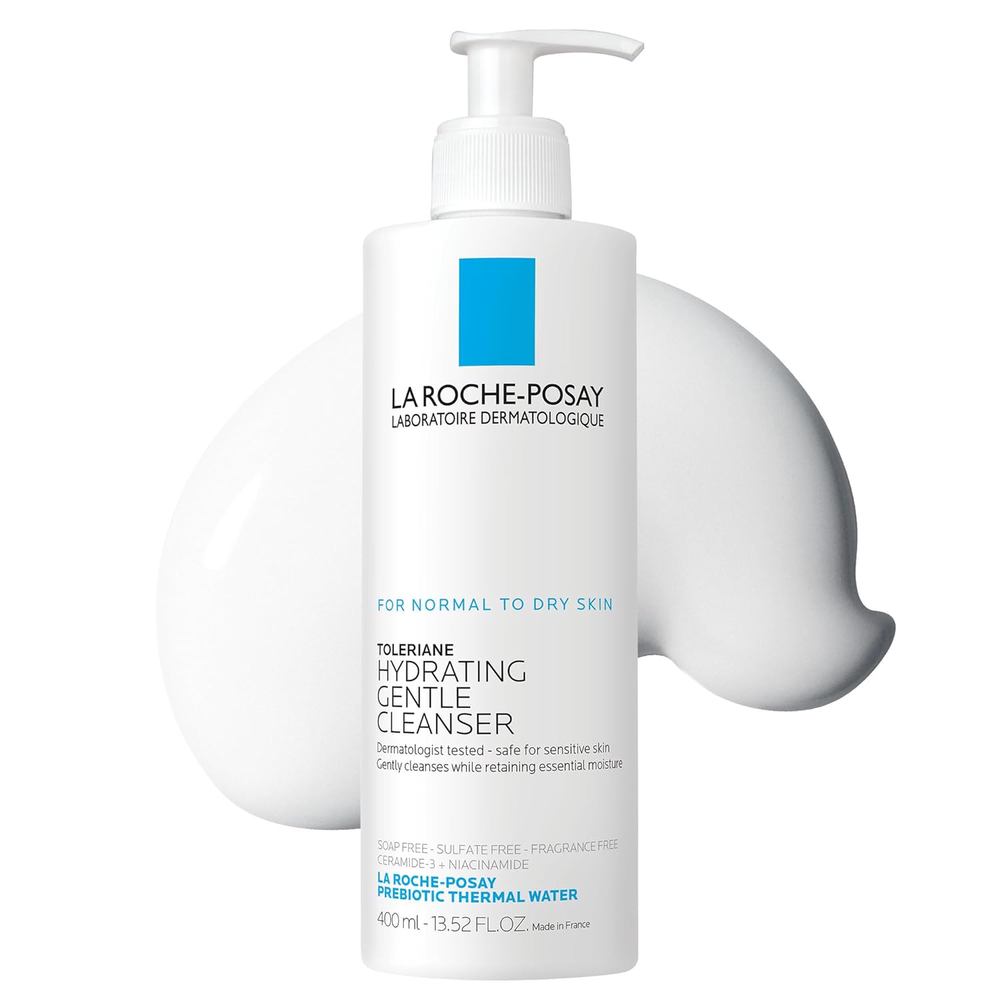
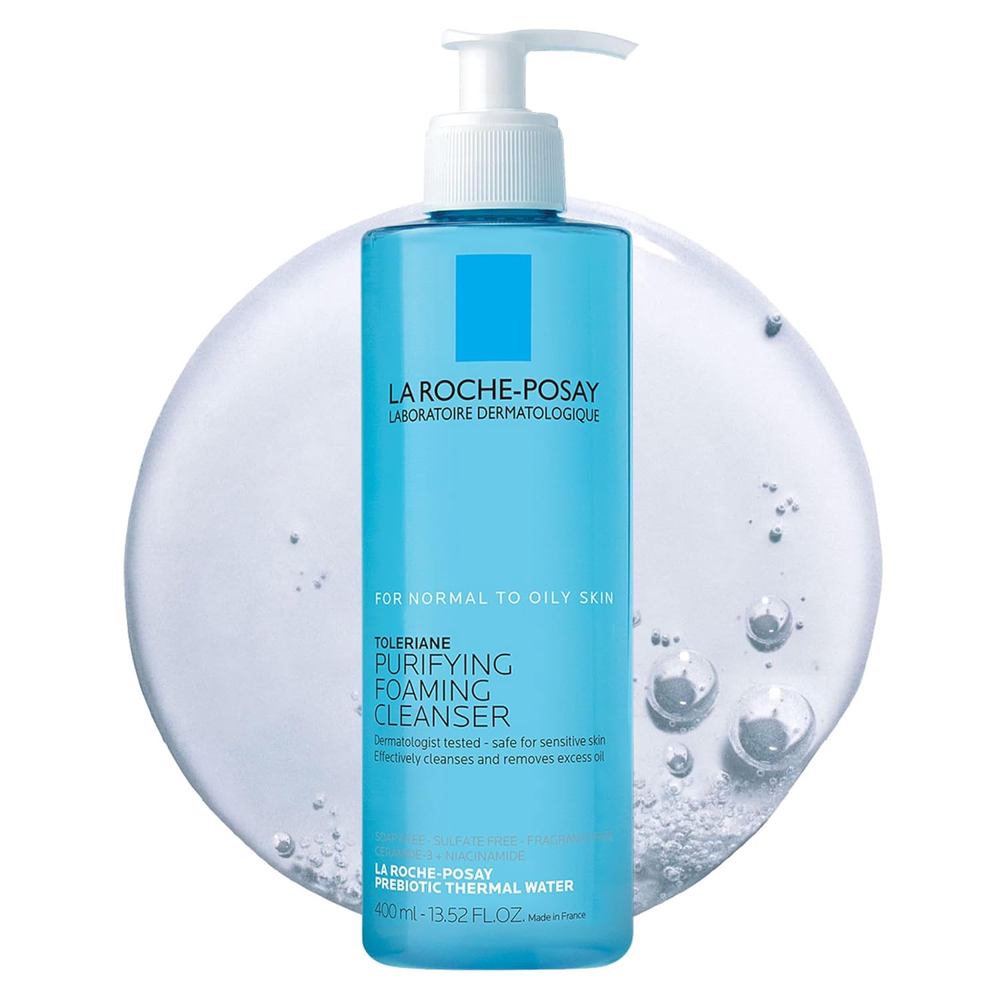
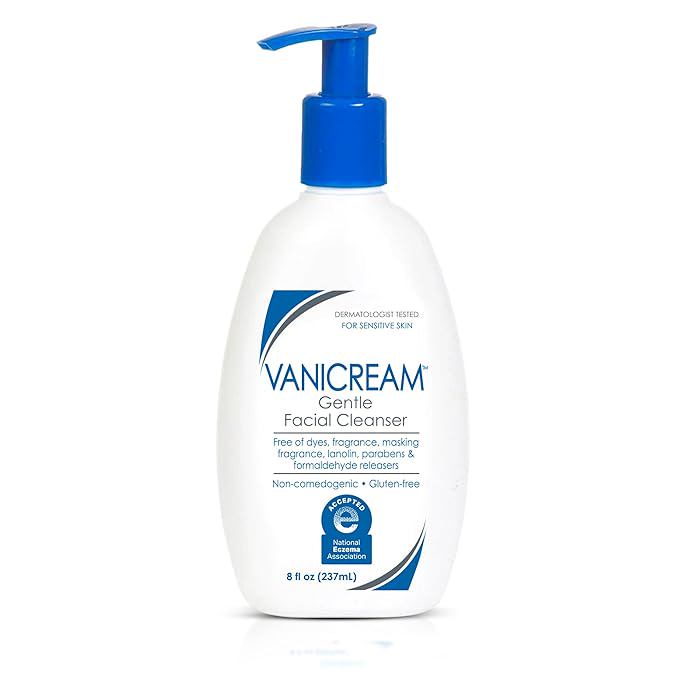
While you seek professional care, a gentle, supportive skincare routine is crucial. Harsh scrubs, abrasive acids, and aggressive picking will worsen inflammation. Focus on non-comedogenic, gentle cleansers, fragrance-free moisturizers to support your skin barrier, and broad-spectrum sunscreen, as many prescription treatments increase sun sensitivity.
Recognizing the unique signs of cystic hormonal acne empowers you to move past frustration and toward effective action. It shifts the focus from battling surface symptoms to understanding an internal process, paving the way for a treatment plan that can offer real, lasting relief.