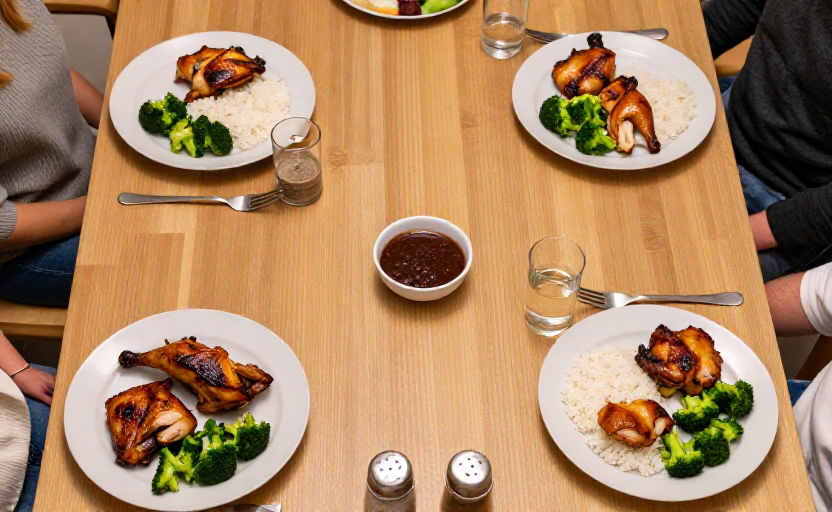
You've planned a balanced meal, set the table, and called everyone in. But when the plates land, the youngest diners push food around, take a single bite, and announce they're full. That familiar tug-of-war at the dinner table isn't just about stubbornness. Often, it's a sign that the meal is missing a simple, kid-friendly flavor element that makes eating feel like less of a chore and more of an adventure.
Children have taste buds that respond strongly to certain sensations—sweet, salty, umami, and texture—which is why plain chicken, steamed vegetables, and undressed grains can fall flat. Instead of cooking separate meals or resorting to processed sauces, you can adjust what's already on the stove. Here are three clear signals that your family dinner is crying out for a flavor boost that kids will actually welcome.
1. The "One-Bite Stall" and the Longest Meal Ever
If your child takes the first bite and then stops eating entirely, or begins spinning food around the plate for ten minutes, the issue may be flavor fatigue. Bland food doesn't trigger a child's appetite the same way it does an adult's. They need something to catch their attention.
The fix: Add a small spoonful of something savory or sweet to the grain or protein. A drizzle of teriyaki sauce on chicken, a sprinkle of furikake on rice, or a pat of butter melted into warm pasta can transform a meal from beige to inviting without overwhelming the dish.
Children are also sensitive to smell. If the aroma of dinner doesn't cue their stomach to rumble, they lose interest before food even hits the table. Sautéing garlic, ginger, or a pinch of smoked paprika in the pan before adding the main ingredients can trigger hunger signals much faster than simply serving plain proteins.
2. Endless Negotiations Over Vegetables
When you hear "Do I have to eat the broccoli?" before the fork has touched it, that's a sign that the vegetable component of the meal needs reformatting—not elimination. Kids often reject vegetables not because they dislike the produce itself, but because the flavor experience is one-dimensional: green, bland, and slightly bitter.
Restaurants have mastered the art of making vegetables appealing with butter, salt, and creative seasoning. You can do the same at home in two minutes:
- Roast instead of steam. Roasting at 400°F caramelizes natural sugars and creates crispy edges. Green beans, carrots, and cauliflower become sweet, nutty, and fun to crunch.
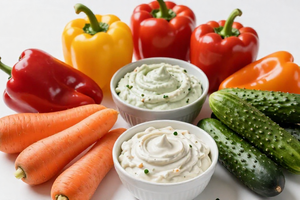
- Add a sauce they already like. A tiny dollop of ranch dressing, cheese sauce, yogurt dip, or even ketchup on the side can be the bridge between a no and a yes. Dipping empowers kids and adds flavor without forcing you to mask the vegetable completely.
- Use a seasoning blend. A simple mix of garlic powder, onion powder, and a pinch of salt is often all boiled vegetables need. Avoid complicated spice blends that might clash with young palates.
3. The "I Eat My Entire Main Dish, but Nothing Else" Pattern
Some kids devour the chicken or pasta but refuse to touch the vegetables or salad on the same plate. That selective eating often means the sides feel like an afterthought—both to the eye and the tongue. When a meal's flavor profile is uneven, children naturally gravitate toward the only component that tastes good.
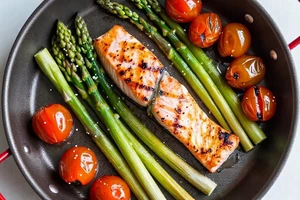
Balance the plate by adding the same flavor note to all components. For instance, if you're serving garlic chicken, toss the broccoli in the same garlic pan drippings or drizzle the vegetables with the same lemon-butter you're using on the fish. This technique, sometimes called "flavor bridging," tells the child's brain that the whole plate is consistent and safe to eat.
A word of caution: While adding a flavor boost is helpful, be mindful of salt and added sugar. Opt for low-sodium soy sauce, seasoning blends without added salt, and small amounts of natural sweeteners like honey or fruit puree when needed. General wellness education only: this content is for informational purposes and does not constitute personalized medical advice or dietary prescriptions.
Next time you see one of these three signs at the family table, you'll know exactly what to do. A little sauce, a different cooking method, or a shared flavor across the plate can turn a standoff into a meal everyone finishes together. Keep the process simple, trust your instincts, and remember that even small changes build better eating habits over time.