Eating vegetarian on a budget is a smart, health-conscious choice, but it comes with a hidden challenge: iron. Many affordable plant-based staples—like rice, lentils, and certain vegetables—contain iron in a form your body absorbs less easily than the iron from meat. Over time, this can leave you feeling run down without a clear explanation. Here are three telltale signs that your wallet-friendly vegetarian meals may not be supplying enough iron, along with practical ways to address the gap without breaking your budget.
1. You feel tired even after a full night's sleep
Fatigue is the most common early signal of low iron. Iron is a key component of hemoglobin, the protein in red blood cells that carries oxygen from your lungs to the rest of your body. When iron stores dip, your tissues get less oxygen, and your energy levels drop. If you find yourself reaching for an extra cup of coffee or struggling to get through the afternoon without a nap—even when you’ve slept well—your diet might be the culprit.
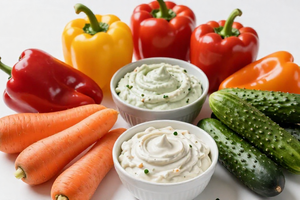
Budget-friendly vegetarian meals often rely heavily on grains like white rice, pasta, and refined breads, which are low in iron. A large bowl of rice and lentils sounds nutritious, but without a source of vitamin C, the iron in those lentils won’t be absorbed efficiently. Add a squeeze of lemon, a handful of chopped tomatoes, or a side of sautéed bell peppers to boost absorption at no extra cost.
Quick fix: Pair iron-rich foods like lentils, chickpeas, and spinach with a vitamin C source at the same meal. Think lemon juice on dal, tomato salsa on beans, or a small orange after a grain bowl.
2. Your skin looks paler than usual, and your nails seem brittle
Low iron doesn’t just affect how you feel—it can show on the outside. Pallor (pale skin) is one of the first visible signs, especially noticeable on the inner eyelids, gums, and nail beds. You might also notice that your nails become thin, brittle, or start to develop a concave, spoon-like shape. This happens because your body prioritizes oxygen delivery to vital organs over less critical tissues like skin and nails.
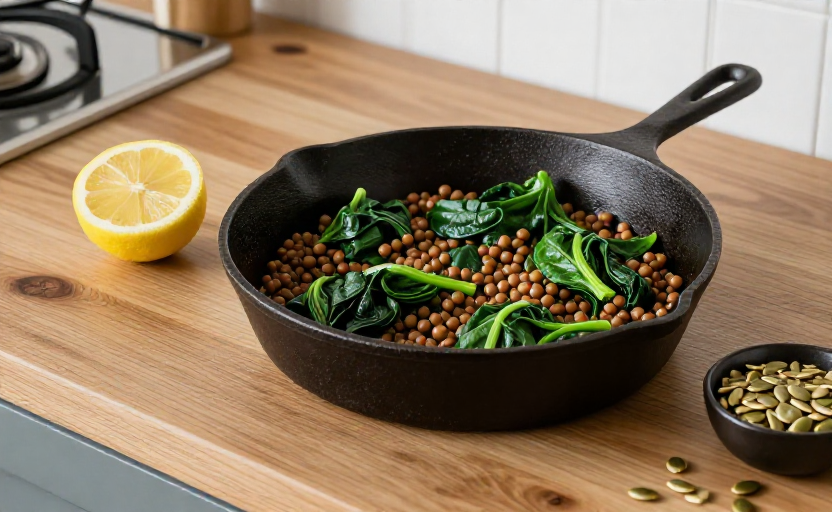
When you’re trying to save money on groceries, it’s easy to skip dark leafy greens and legumes in favor of cheaper, shelf-stable options. But those greens—spinach, kale, mustard greens—are among the most concentrated plant sources of non-heme iron. The key is to cook them. A bunch of spinach wilts down to almost nothing, so you can add a generous handful to curries, soups, or scrambled eggs (if you eat them) without much expense. One cup of cooked spinach provides about 6 mg of iron, which is roughly a third of the daily needs for an adult woman.
3. You feel colder than others, especially in your hands and feet
Poor circulation linked to low iron can make your extremities feel chilly even in a warm room. When your blood doesn’t carry enough oxygen, your body may reduce blood flow to the hands and feet to preserve heat for vital organs. If you’re always the one reaching for a sweater or complaining about cold fingers while everyone else is comfortable, it’s worth looking at your iron intake.
Budget vegetarian meals that rely too heavily on beans and grains without variety can create an iron shortfall. While kidney beans and black beans do contain iron, they also have phytates—naturally occurring compounds that can bind to iron and reduce absorption. Soaking dried beans overnight and discarding the water before cooking lowers phytate content significantly. Buying beans dry instead of canned is cheaper and gives you control over preparation. A single cup of cooked kidney beans offers about 5 mg of iron, making it one of the best budget-friendly sources available.
How to build iron-rich vegetarian meals without spending more
Improving your iron status doesn’t require expensive supplements or exotic ingredients. Focus on these three strategies to get more iron from the foods you already buy:
- Cook in cast iron. A cast-iron skillet transfers small amounts of iron into acidic foods like tomato sauce or lemon-tahini dressings. This is a free, long-term upgrade to your cookware that pays off with every meal.
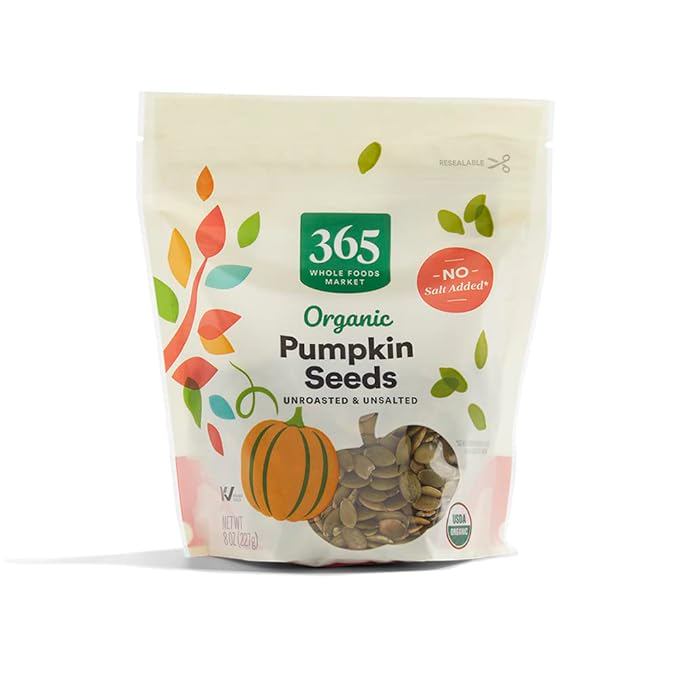
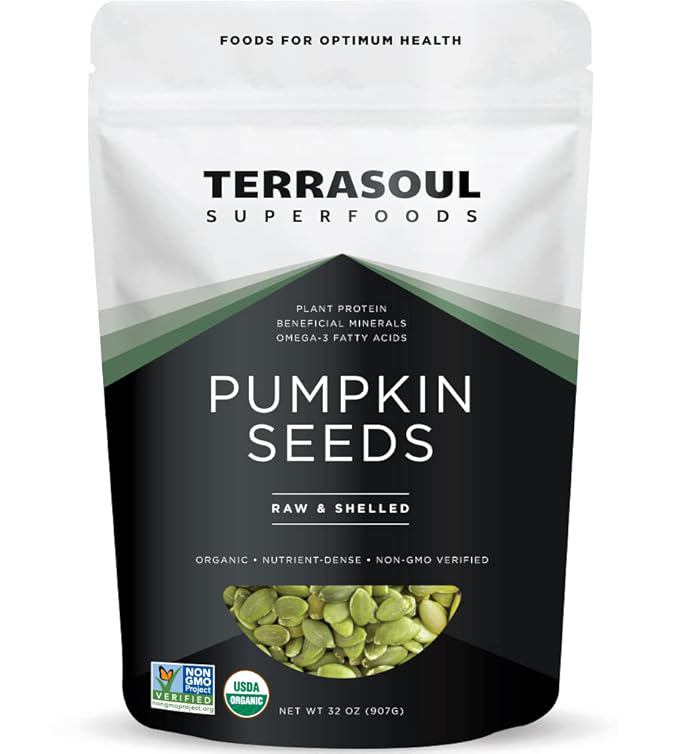
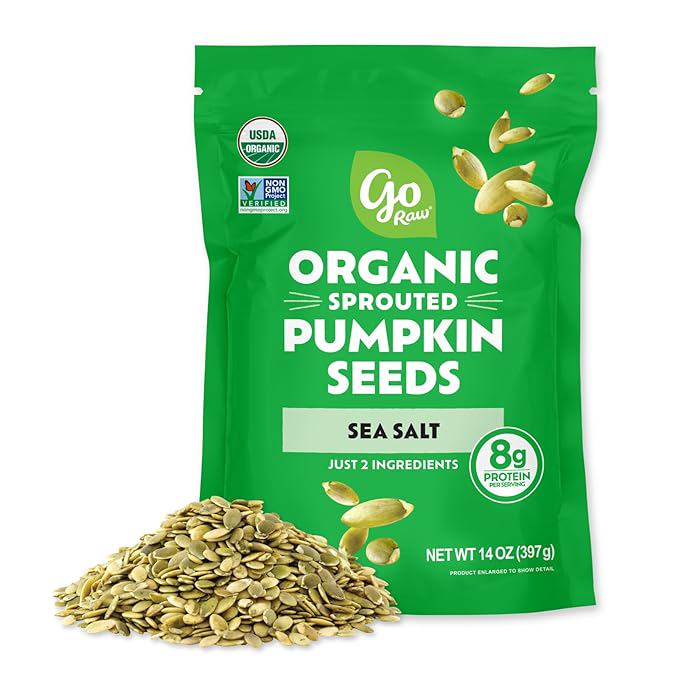
- Add a seed. Pumpkin seeds, sesame seeds (tahini), and hemp seeds are concentrated sources of iron. A tablespoon of pumpkin seeds gives you about 1 mg of iron. Sprinkle them on oatmeal, salads, or roasted vegetables.
- Use jaggery or blackstrap molasses as sweeteners. Unlike refined sugar, jaggery and blackstrap molasses retain iron from their plant sources. A tablespoon of blackstrap molasses contains roughly 1.5 mg of iron—use it in oatmeal, smoothies, or baked goods.
When to consider a supplement—and when to talk to a doctor
If you consistently notice these signs for more than a few weeks, it’s wise to check your iron levels with a simple blood test. Self-diagnosing and taking high-dose iron supplements can be risky—too much iron can damage organs, and some people (especially those with certain genetic conditions) may absorb iron too readily. A healthcare provider can determine whether you need a supplement and, if so, what form and dose are appropriate.
For most people eating a varied vegetarian diet, the answer is not a pill—it’s combining the right foods, preparing them wisely, and paying attention to what your body is quietly telling you.