
Most of us have dealt with blackheads at some point. Those tiny, dark dots on your nose, chin, or forehead are technically open comedones—pores clogged with a mix of oil and dead skin cells that have oxidized and turned dark. They are stubborn, frustrating, and can feel like sandpaper under your makeup. But for the most part, they are considered a mild, non-inflammatory form of acne.
The worry starts when a blackhead stops being just a blackhead. Sometimes, the environment inside that clogged pore shifts. Bacteria multiply, the body’s immune system takes notice, and what was once a simple cosmetic nuisance turns into a red, angry, and potentially scarring spot. Recognizing exactly when a clogged pore crosses the line into inflamed acne is the key to getting the right treatment and preventing marks that can last for months.
Here are three clear signs that your blackheads are becoming inflamed acne—and what that means for your skincare choices.
1. A red halo or ring appears around the blackhead
This is often the very first visible clue. Take a close look in natural light. A healthy, non-inflamed blackhead sits flat against the skin or has a very slight bump. The skin around it is the same color as the rest of your face. But once inflammation kicks in, you will see a faint pink or red ring encircling the dark pore.
This redness is a signal from your immune system. The body has detected a problem—usually an overgrowth of Cutibacterium acnes bacteria trapped inside the follicle—and has sent inflammatory cells to the site. The blood vessels dilate to allow those cells to arrive, which creates that visible flush.
Think of the red halo as an early warning light. The component inside your pore has shifted from a passive plug of debris to an active irritant.
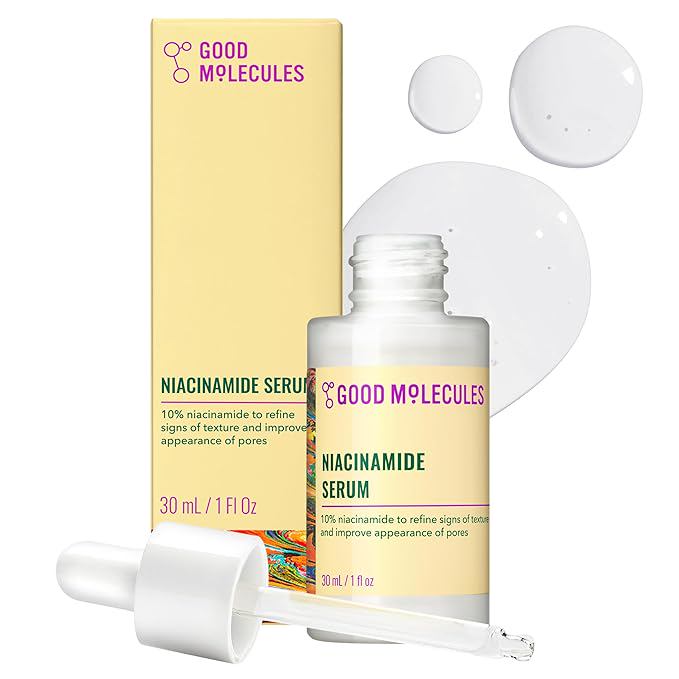
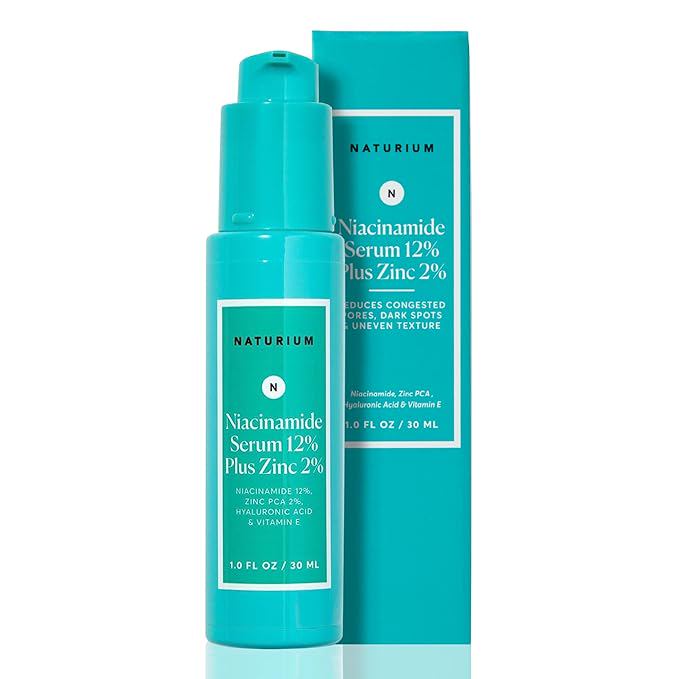
At this stage, the spot is technically a papule (a small, red, tender bump). If you treat it gently now with a non-drying anti-inflammatory ingredient like niacinamide or a low-concentration benzoyl peroxide cleanser, you may be able to calm things down before they get worse. Picking or scrubbing a blackhead with a red halo is one of the fastest ways to turn it into a full-blown pimple.
2. The area feels firm, tender, or painful to the touch
A regular blackhead does not hurt. You might not even notice it unless you run your finger over it or catch it in a mirror. If a spot that used to be just a dark pore now feels sore when you wash your face or press on it, inflammation is present.
Pain in a pimple is caused by pressure. When a pore becomes inflamed, the walls of the follicle swell and the surrounding tissue becomes congested with fluid and immune cells. There is less room inside for everything to sit comfortably, so the nerve endings in the dermis start sending pain signals.
This tenderness often develops subtly. You might notice it first when you sleep on that side of your face or when you apply your moisturizer. Do not ignore it. A blackhead that has turned painful is no longer a cosmetic issue—it is an active inflammatory lesion. Applying a warm compress (not hot) for a few minutes can help bring circulation to the area and encourage the lesion to resolve naturally. Applying a spot treatment with salicylic acid or benzoyl peroxide can also help, but avoid occlusive, heavy ointments that can trap more bacteria under the skin.
3. The blackhead is swelling into a raised bump with a white or yellow center
This is the most obvious and advanced sign of trouble. Instead of staying flat or slightly raised like a grainy bump, the blackhead starts to dome upward. The dark plug may still be visible at the very top, but the surrounding skin is now puffy and filled with pus (a mixture of dead white blood cells, bacteria, and debris). This is what dermatologists call a pustule.
When a blackhead transforms into a pustule, the clogged pore has essentially become a small abscess. The body launched an all-out attack on the bacteria inside the follicle. Pus is the evidence of that battle. This stage carries the highest risk of scarring because the lesion is under pressure and can rupture inward if squeezed.
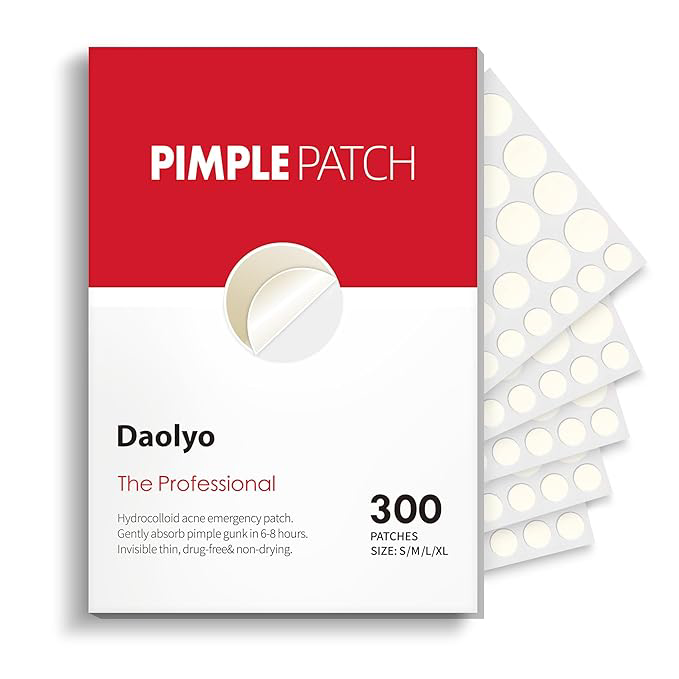
If you see a white or yellow head forming on a spot that was previously a simple blackhead, resist every urge to pop it. Instead, use a sterile lancet to very gently nick the white head (only if it is ripe and ready) and let the fluid drain naturally, or apply a hydrocolloid patch overnight. The patch will absorb the fluid without you having to squeeze. Leaving the spot alone and letting the inflammation subside on its own is often the safest route for the lower face, chin, and jawline where scarring is more visible.
Why do some blackheads turn inflammatory while others don’t?
Several factors can push a non-inflamed blackhead into inflamed territory. The most common trigger is physical irritation—rubbing the area repeatedly, using harsh scrubs, or trying to extract a blackhead that was not ready to come out. Other triggers include hormonal fluctuations that increase oil production, sweating and not cleansing promptly, or using heavy, pore-clogging moisturizers or sunscreens over areas prone to blackheads.
Stress also plays a role. When you are stressed, your body releases cortisol, which can increase sebum production and alter the skin’s immune response, making it more reactive to bacteria that normally live harmlessly in the pore.
One more factor to consider: your diet. While food alone does not cause acne for most people, high-glycemic foods and dairy have been linked to increased inflammation in some individuals. If you notice that blackheads on your chin or jawline tend to flare up a day or two after you eat a lot of sugar or cheese, that connection may be worth paying attention to.
When to see a dermatologist
You do not need a doctor for every single inflamed blackhead. Occasional papules or pustules can be managed at home with gentle cleansing, non-comedogenic products, and patience. But if you notice that more than a few of your blackheads are surrounded by redness, if you develop deep, painful cysts under the skin, or if inflammation keeps recurring in the same spot, it is time to seek professional help.
A dermatologist can offer treatments that you cannot get over the counter, such as prescription-strength retinoids, topical antibiotics, or extraction tools that minimize trauma to the skin. They can also help you figure out if your inflamed blackheads are actually a sign of a larger issue, like hormonal acne or folliculitis (inflammation of the hair follicle caused by bacteria or fungi).
Above all, remember this: blackheads are not doomed to become pimples. Many people have blackheads for years without ever developing a single inflammatory spot. The key is to notice the shift early. When you see that red halo, feel that tenderness, or spot a raised pus-filled center, switch your approach from gentle maintenance to active calming. Your skin will thank you with fewer marks and a smoother texture over time.