
That 3 p.m. energy crash is familiar to almost everyone. The instinct is to reach for another cup of coffee or a can of soda, hoping for a quick lift. But if you find yourself relying on multiple caffeine boosts each afternoon just to function, the real issue might be what—and when—you last ate. An afternoon slump that returns day after day is often a signal that your body needs steady fuel, not another stimulant.
Here are three clear signs that your afternoon crash is about nutrition, not caffeine deficiency, along with smarter snack choices that can keep your energy even from lunch to dinner.
1. You crash hard about an hour after lunch
If your energy plummets like a stone between 2 and 3 p.m., look back at what you ate for lunch. A meal that is heavy in refined carbohydrates—think white bread, pasta, sugary sauces, or a sandwich on white bread—causes a rapid spike in blood sugar, followed by a sharp drop. That drop is what you feel as fatigue, brain fog, and irritability. Instead of fighting that drop with more caffeine (which can actually worsen the cycle), a snack that combines protein, fiber, and a small amount of healthy fat can help stabilize your blood sugar and sustain your energy through the rest of the afternoon.
2. You feel hungry again within 90 minutes of your afternoon coffee
Have you noticed that your latte or cold brew seems to make you hungry soon after? Caffeine can temporarily suppress appetite, but it also raises cortisol and can lead to a rebound blood sugar dip. When that happens, the body often signals hunger—especially for quick energy in the form of sweets or carbs. If you find yourself craving a cookie or a bag of chips an hour after you finish your coffee, your snack is the problem, not the solution. A balanced snack eaten before or with a lower-caffeine drink (like green tea or half-caff) can break that cycle.
3. You experience brain fog or difficulty concentrating in the late afternoon
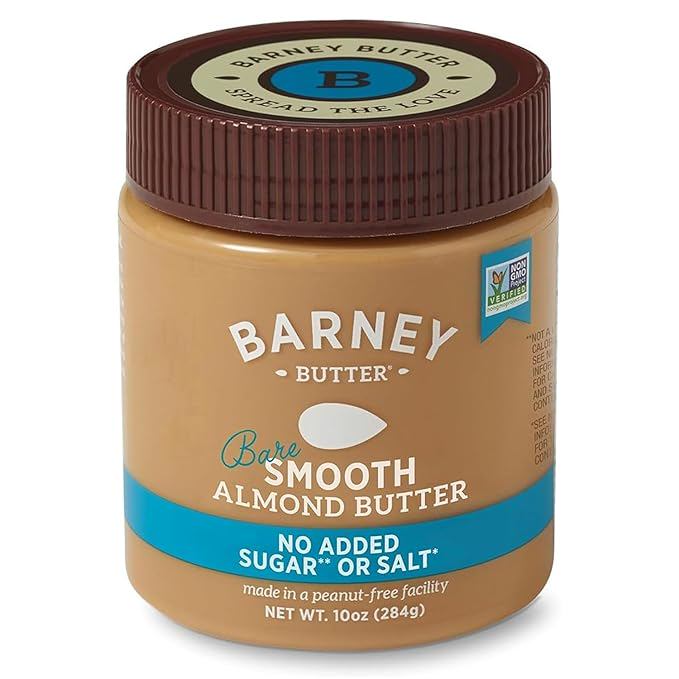
Mental fatigue that makes it hard to focus on emails, creative work, or even straightforward tasks is a classic sign that your brain is running low on glucose—but not because you need sugar. The brain runs best on a steady supply of glucose, which comes from complex carbohydrates and protein. When lunch is skipped, skimped on, or unbalanced, and you rely on caffeine alone to push through, mental clarity suffers. A snack that supplies slow-burning energy—like an apple with almond butter or a small handful of walnuts with a piece of fruit—can help restore focus without the jittery follow-up crash of another coffee.
What makes a good afternoon snack?
The ideal snack for beating the slump is simple: about 150–250 calories, with protein, fiber, and a little healthy fat. This combination slows digestion and provides a steady release of energy to your bloodstream. Some easy options:
- Greek yogurt with berries and a tablespoon of flaxseed — protein, fiber, and antioxidants without added sugar.
- Apple slices with 1–2 tablespoons of peanut or almond butter — fiber plus healthy fat and protein.
- Small handful of almonds (or any nut) and a piece of fruit — simple and portable.
- Hummus with carrot or cucumber sticks — fiber and protein, low in sugar.
- Half a turkey or egg salad sandwich on whole-grain bread — a mini meal that holds you until dinner.
A three-step check: protein + fiber + fat = energy that lasts. If your snack has two of those three, it's likely a winner. Sugar plus caffeine alone will set you up for another crash.
When to cut back on caffeine—and how
If you identify with any of the three signs above, try this: for one week, reduce your afternoon caffeine by half (switch to half-caff, a smaller coffee, or herbal tea) and pair that with one of the balanced snacks listed. Write down how you feel at 3:30 and 5 p.m. Many people find they need less caffeine than they think when their meals and snacks are supporting their energy naturally.
Gradually decreasing caffeine intake can reduce dependency without causing a headache or withdrawal. You can always keep a small coffee or green tea in your afternoon—just don't use it as a substitute for real food.
The bottom line
The afternoon slump is a message from your body, not an enemy to overcome with willpower or stimulants. When you listen to that message and respond with a snack that truly nourishes, you will likely feel more even energy, better focus, and fewer cravings later in the day. That means your afternoon can become a productive, pleasant part of your schedule—not a battle against drowsiness.