You’ve tried the cleansers, the spot treatments, the gentle routines. Yet, those breakouts keep returning, often in the same familiar places. It can feel like a frustrating puzzle where the pieces never quite fit. Sometimes, the answer isn’t just on the surface of your skin—it’s a signal from within, tied to the natural rhythms of your body. Hormonal acne is a distinct pattern of breakouts, and recognizing its signature can be the first step toward finding a more effective approach.
Unlike the occasional clogged pore, hormonal acne follows a predictable, cyclical pattern deeply connected to internal fluctuations. It’s less about what you’re putting on your skin and more about what’s happening inside it. Learning to read these signs can help you move from reactive spot-treating to understanding your skin’s unique language.
What does hormonal acne look and feel like?
Hormonal acne has a character all its own. It often feels deeper and more tender than surface-level blackheads or whiteheads. The inflammation is more pronounced, leading to red, sometimes painful bumps that linger beneath the skin’s surface before coming to a head—or sometimes not surfacing at all. This type of acne is driven primarily by androgens, hormones that can stimulate oil glands to produce more sebum. Excess sebum, combined with dead skin cells, creates an ideal environment for the bacteria that cause acne to thrive.
Think of hormonal acne as a monthly report from your body, not a random skin mishap.
While it’s most commonly discussed in relation to the menstrual cycle, hormonal shifts during other life stages—like perimenopause, pregnancy, or times of significant stress—can also trigger similar patterns. The key is in the pattern itself.
The three telltale signs your breakouts are hormonal
If you notice a combination of these three factors, it’s a strong indicator that hormones are playing a leading role in your skin’s behavior.
1. Breakouts follow a predictable monthly cycle
This is the most distinctive hallmark. Breakouts appear like clockwork in the week or two leading up to your period and often begin to calm down once it starts. This pattern corresponds with your body’s natural hormonal ebb and flow. After ovulation, progesterone levels rise and then fall, while androgen levels remain relatively steady. This shift can cause pores to constrict and oil production to increase, setting the stage for breakouts.
Tracking your skin alongside your cycle for a few months can reveal this connection. You might notice clear skin during and just after your period, with congestion building during the second half of your cycle.
2. Lesions appear primarily in the “beard area”
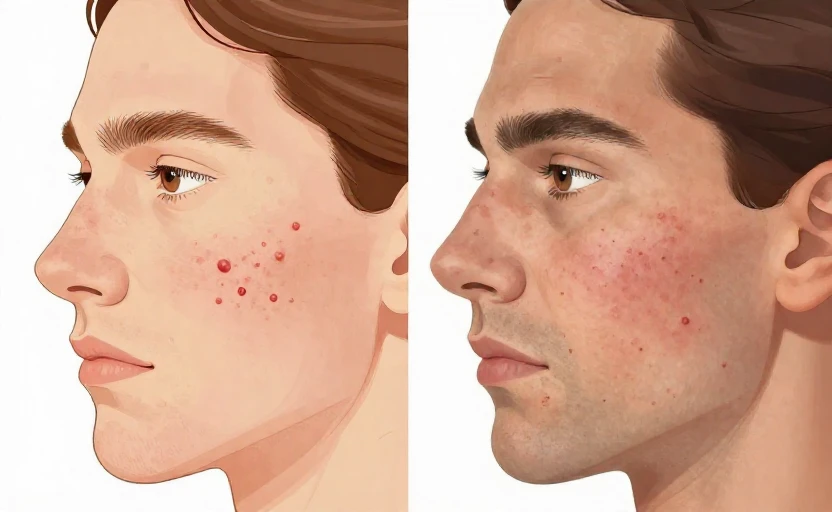
Hormonal acne favors the lower third of the face—the jawline, chin, and lower cheeks. It can also appear along the neck and sometimes the upper back. Dermatologists often refer to this as the “hormonal mask” pattern. The oil glands in this area are particularly sensitive to androgen hormones. When these hormones fluctuate, these glands are often the first to respond with increased oil production and inflammation.
While you might get the occasional blemish elsewhere, a consistent concentration of deep, cystic, or inflamed pimples in this lower facial zone is a classic sign.
3. Breakouts are deep, inflamed, and often painful
Forget the small, surface-level whiteheads. Hormonal acne tends to manifest as papules (red, raised bumps) and pustules (red bumps with a white or yellow center) that feel tender to the touch. The most severe form is the cystic breakout—a large, deep, painful lump that sits under the skin and rarely comes to a head. These lesions are inflammatory by nature and are more likely to leave behind post-inflammatory hyperpigmentation (dark spots) or scarring because they affect deeper layers of skin tissue.
They are stubborn, often resisting typical over-the-counter benzoyl peroxide or salicylic acid treatments that work well on more superficial acne.
What can you do about hormonal acne?
Understanding the cause is empowering because it directs you toward more targeted solutions. Since the trigger is internal, a purely topical approach often falls short. A holistic strategy that addresses both internal drivers and external care tends to be most effective.
Consult a professional. A dermatologist or healthcare provider can offer the most definitive diagnosis and discuss options that target the hormonal source. These may include certain prescription topical treatments, oral medications like spironolactone (which blocks androgen receptors), or, for some, hormonal birth control. This is a personal decision best made with a trusted professional.
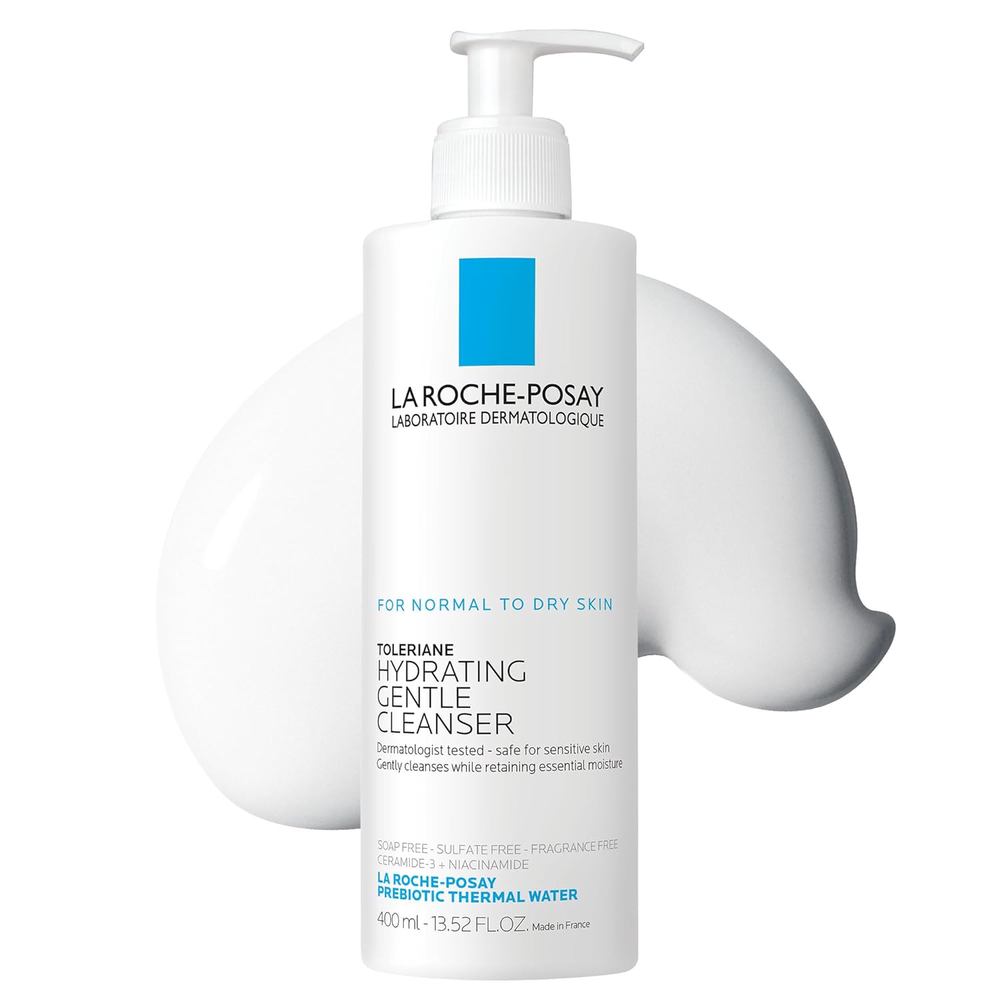
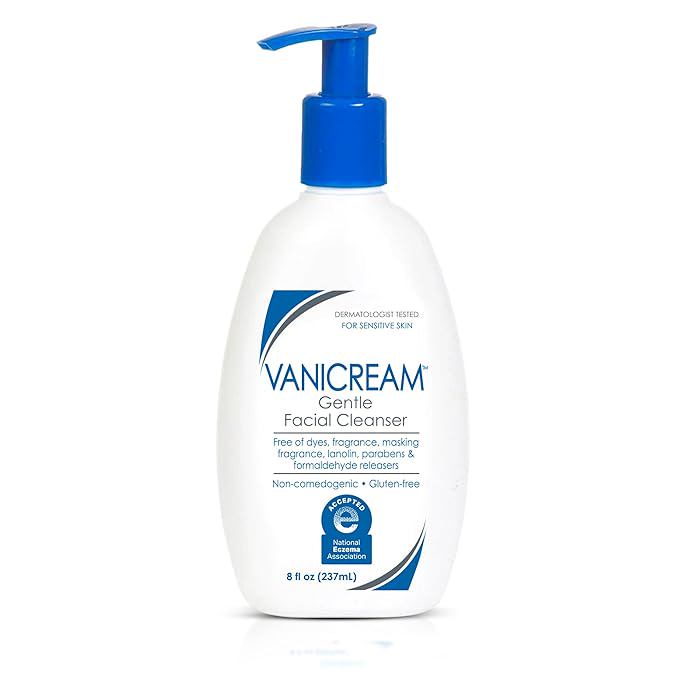
Support your skin barrier. When dealing with inflammation, a gentle, reparative skincare routine is crucial. Harsh scrubs and aggressive treatments can further damage the skin barrier, leading to more sensitivity and redness. Focus on a simple routine: a gentle cleanser, a non-comedogenic moisturizer to maintain hydration, and a broad-spectrum sunscreen every day. Sun protection is non-negotiable, as it helps prevent dark spots from lingering after a breakout heals.
Consider supportive ingredients. While they may not stop the hormonal fluctuation, some topical ingredients can help manage the consequences. Retinoids (like adapalene, available over-the-counter) can help increase cell turnover and prevent pores from becoming clogged. Azelaic acid is excellent for reducing inflammation and addressing both active breakouts and the post-acne marks they leave behind.
Look at lifestyle factors. While not direct causes, stress management, balanced nutrition, quality sleep, and regular movement can all help moderate your body’s stress hormone response, which is intertwined with sex hormones. It’s about creating a supportive internal environment.
Your skin is not betraying you; it’s communicating with you. Listening to its patterns is the first step toward a better response.
Hormonal acne can be persistent, but it is also manageable. By recognizing its unique signs—the cyclical timing, the jawline location, the deep and painful lesions—you shift from fighting your skin to understanding it. This knowledge allows you to seek the right kind of help and build a routine that offers compassion to your skin, rather than just criticism.