
Blackheads are stubborn. They form when a pore fills with sebum and dead skin cells, then the top oxidizes and turns dark. The instinct to scrub them away with gritty pastes or rough brushes is understandable—but it rarely works. Aggressive scrubbing can inflame the skin, damage the moisture barrier, and actually make those clogged pores more visible.
The good news? You don't need abrasive force to manage blackheads. These three methods are supported by dermatology and cosmetic science, and they focus on keeping pores clear without stripping the skin.
1. Use a gentle chemical exfoliant (not a physical one)
Physical scrubs rely on particles to manually buff away the top layer of skin. While they can create a temporary smooth feel, they often leave microscopic tears in the skin. For preventing blackheads, chemical exfoliants are both safer and more targeted.
Two types stand out:
- Salicylic acid (BHA) is oil-soluble, meaning it can penetrate deep into the pore to dissolve the sebum and dead cells that form the blackhead. It works inside the follicle, not just on the surface.
- Azelaic acid is a gentler option that also helps calm redness and can prevent the pore from becoming clogged again.
Look for a leave-on product (a serum or toner) with 0.5% to 2% salicylic acid, used a few nights per week. Start slow if your skin is sensitive—you don't have to use it every day to see results. Rinse-off cleansers with salicylic acid are less effective because the active ingredient doesn't stay on the skin long enough to work deeply.
A quick tip: Apply your exfoliant after cleansing, wait 60 seconds for it to absorb, then follow with a non-comedogenic moisturizer. This prevents dryness without diluting the active ingredient.
2. Balance oil production with niacinamide and retinoids
Blackheads love excess sebum. If your skin naturally overproduces oil, you need ingredients that regulate oil flow—not harsh cleansers that strip it all away, which triggers even more oil production.
Niacinamide (vitamin B3) is a versatile ingredient that helps normalize sebum output over time. It also strengthens the skin barrier and reduces inflammation. A 4% to 5% niacinamide serum is a good starting point for most skin types.
Retinoids (over-the-counter retinol or prescription tretinoin) are the most evidence-backed option for long-term blackhead prevention. Retinoids speed up skin cell turnover, making it harder for cells to clump together inside the pore. This is why dermatologists often recommend them for congested skin. Over-the-counter retinol (0.01% to 0.03%) is available without a prescription and can be effective when used consistently over 8 to 12 weeks.
Use retinol at night only, start with one application per week, and always wear sunscreen the next day—retinoids make skin more sensitive to UV damage. Niacinamide and retinoids can be used on different nights to reduce irritation.
3. Choose non-comedogenic moisturizers and sunscreens
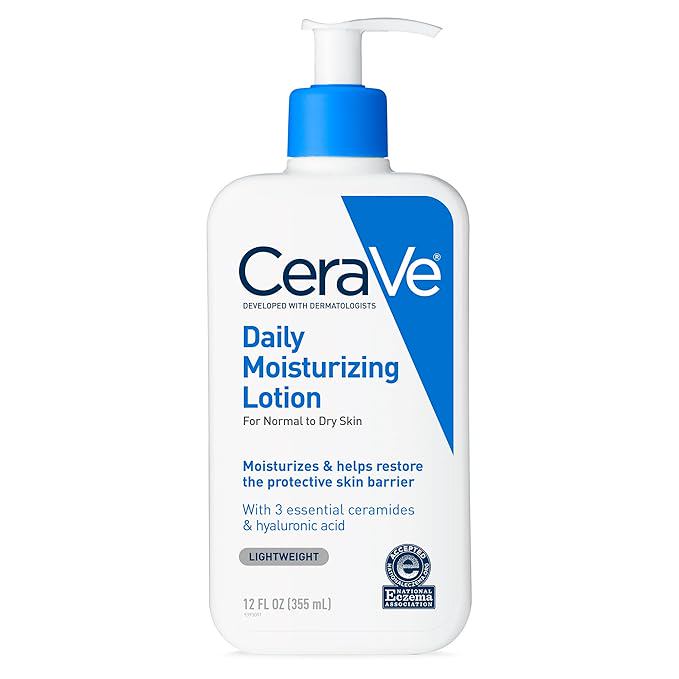
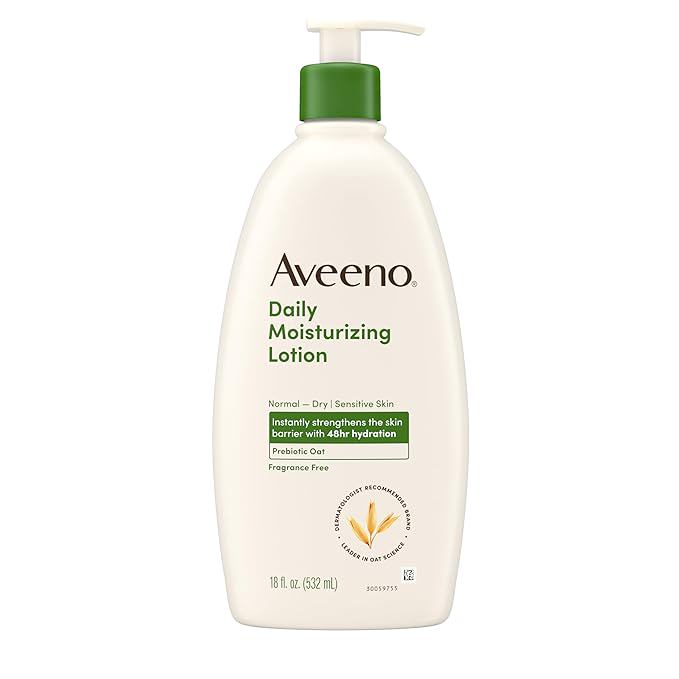
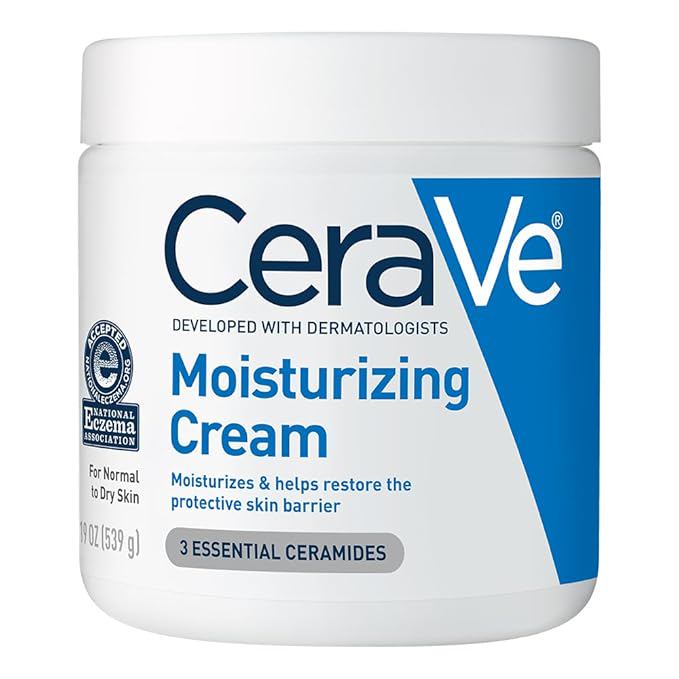
Many people skip moisturizer because they think it will make blackheads worse. The opposite is true: dehydrated skin overcompensates by producing more oil, which feeds blackheads. The key is choosing the right texture and ingredients.
Look for labels that say "non-comedogenic" (meaning the product is less likely to clog pores). But don't rely on the claim alone—check the ingredient list. Avoid heavy oils like coconut oil, cocoa butter, and isopropyl myristate, especially on the nose, chin, and forehead where blackheads cluster.
Good options include gel-based or water-based moisturizers with ingredients like glycerin, hyaluronic acid, or squalane. For sunscreen, choose a lightweight, oil-free SPF 30+ product. Sun exposure can thicken the outer layer of skin, which traps oil and dead cells inside pores—so daily sun protection is a non-negotiable part of blackhead prevention.
What about pore strips and scrubbing tools?
Pore strips offer a quick fix—they pull the hardened plug out of the pore. But they only remove the top of the blackhead, leaving the base of the clogged pore intact. The void fills back up within days, and repeated use can stretch the pore opening or damage the surrounding skin.
Silicone cleansing brushes can be used gently (about once a week) if you like the sensation, but they are not necessary. Avoid natural-bristle brushes or very coarse scrubs—these cause micro-abrasions that make pores look larger over time.
Consistency matters more than intensity
Preventing blackheads is a slow process. With consistent use of the right chemical exfoliant, sebum-regulating ingredients, and non-comedogenic moisturizer, most people see noticeable improvement in 4 to 6 weeks. Harsh scrubs might seem satisfying in the moment, but science-backed methods treat the actual cause—excess oil and slow cell turnover—without punishing the skin.