You’ve just finished a solid strength session, muscles humming with that satisfying post-lift fatigue. The hard part is done, but what you do next—specifically, what you drink—can quietly steer your recovery and growth in a helpful direction. For new lifters, navigating the sea of sports drinks, powders, and promises can feel overwhelming. The goal isn’t to overcomplicate it; it’s about simple, effective hydration that delivers the nutrients your body is primed to use.
After resistance training, your muscles are in a unique state. They’re receptive to nutrients that can help repair the microscopic damage from lifting and start the process of building back stronger. The right beverage can support this by replenishing fluids, providing key building blocks for protein synthesis, and helping to restore energy stores. Let’s look at three foundational, research-backed drinks that can fit seamlessly into a beginner’s routine.
1. The Classic: Whey Protein Shake
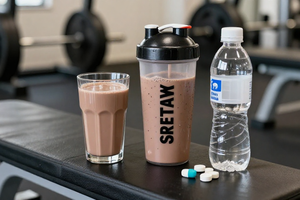
It’s a staple for a reason. Whey protein is a fast-digesting, complete protein, meaning it contains all nine essential amino acids your body can’t make on its own. One of these, leucine, acts as a potent signal to kickstart muscle protein synthesis—the process of building new muscle tissue.
For someone new to lifting, a simple shake post-workout offers a convenient and efficient way to get a concentrated dose of high-quality protein, especially if a whole-food meal isn’t immediately practical. It’s not magic powder, but a practical tool.
Think of it as delivering the raw materials to the construction site right when the crew is ready to work.
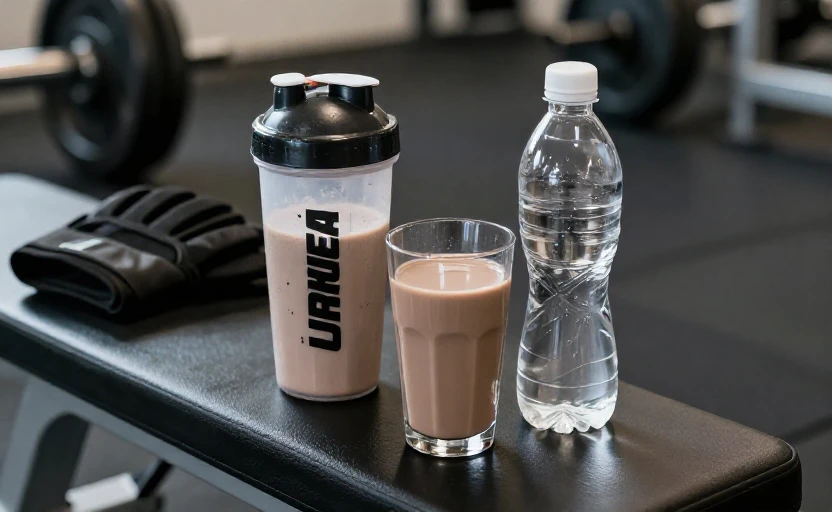
You can mix whey powder with water for a quick option, or with milk for added calories, protein, and carbohydrates. The simplicity is key: just scoop, liquid, and shake. No culinary skills required.
2. The Hydration Hero: Chocolate Milk
Don’t let its simplicity fool you. Low-fat chocolate milk has been studied in athletic contexts and offers a surprisingly well-rounded post-workout profile. It provides a blend of fast- and slow-digesting proteins (whey and casein) from the milk, along with carbohydrates to replenish glycogen stores in your muscles.
The carbs also cause a modest insulin response, which can help drive nutrients into muscle cells. It’s a source of electrolytes like sodium and potassium, which are lost in sweat and crucial for rehydration. For a beginner looking for a whole-food, accessible option you can find anywhere, it’s a strong and tasty contender.
Opt for a version with lower added sugar if possible, but the natural sugars (lactose) plus a bit of added sugar are actually part of the functional benefit here for recovery.
3. The Foundation: Water (Yes, Really)
This might seem obvious, but its importance can’t be overstated and it’s often under-consumed. Every metabolic process in your body, including muscle repair and growth, relies on adequate hydration. Water transports nutrients, helps regulate body temperature, and is essential for joint health.
Dehydration, even mild, can impair performance and recovery. Before reaching for anything fancy, ensure you’re replacing the fluids you’ve lost through sweat. A good practice is to weigh yourself before and after a workout; for each pound lost, aim to drink about 16-20 ounces of water gradually over the next few hours.
Consider water the baseline. The other drinks add valuable nutrients to this essential foundation of hydration.
What About Timing and Other Options?
The “anabolic window” is often talked about with intense urgency, but for most people doing moderate training, the window is wider than once thought—likely several hours post-exercise. The priority is consistency in your daily total protein and calorie intake. Having your post-workout drink within an hour or two is a good, manageable habit that ensures you don’t forget, but don’t stress if it’s not immediately after your last rep.
Other options like branched-chain amino acid (BCAA) drinks can be useful in specific situations, such as training in a fasted state, but for most new lifters eating regularly, a complete protein source like whey or milk is a more comprehensive choice. Plant-based protein shakes (from pea, rice, or hemp) are excellent alternatives for those avoiding dairy.
Keeping It Simple as a Beginner
Your focus should be on mastering your form, establishing a consistent routine, and overall nutrition. The post-workout drink is one supportive piece of that puzzle. Start with water every time. Then, choose one of the other options based on your preference, dietary needs, and convenience.
- Choose a whey protein shake for a fast, high-protein, low-carb option.
- Choose chocolate milk for a balanced, whole-food source of protein and carbs.
- Always return to water as your primary hydrator throughout the day.
Listen to your body. Notice how you feel, recover, and progress. That feedback is more valuable than any rigid protocol. The best drink is the one that helps you stay consistent, recover well, and feel good for your next workout.