
You finally got a gym membership, bought some gear, and you are ready to build real strength. But before you touch a barbell, you have to answer the most confusing question of the day: what should you eat? For a new lifter, the pre-workout meal can feel like a high-stakes guessing game. Get it right, and you feel unstoppable. Get it wrong, and you end up with cramps, sluggishness, or a desperate sprint to the bathroom mid-set.
After years of working with beginners, I have seen the same three mistakes pop up again and again. These errors usually come from good intentions — wanting to fuel hard, save time, or follow advice that was meant for a different type of athlete. Let’s cut through the noise and fix the three biggest pre-workout meal blunders so you can lift with more energy and less regret.
Mistake #1: Eating Too Much, Too Close to Lifting
This is the most common pitfall. You read that you need fuel for a big session, so you smash a full plate of chicken, rice, and broccoli 30 minutes before hitting the gym. Then, during your first set of squats, your stomach feels like a washing machine full of rocks.
Digestion requires blood flow. When you eat a large, mixed meal, your body shunts blood to your stomach and intestines to break down the food. But your working muscles also need blood to receive oxygen and remove waste. A large meal right before exercise creates internal competition. The result? Sluggishness, cramping, and sometimes nausea.
The fix: Time your bigger meals for 2–3 hours before training. If you are eating closer to your workout (30–60 minutes out), keep it small — think 150–300 calories. A banana, a small rice cake with a little nut butter, or a single slice of toast is usually enough to top off your energy without weighing you down.
Mistake #2: Choosing the Wrong Type of Fuel (Fats and Fiber)
Not all calories are equal when it comes to timing. Many new lifters, trying to eat healthy, load up on high-fiber vegetables, beans, or fatty cuts of meat before a session. While these foods are excellent for your general health, they are terrible pre-workout choices.
Fats slow down gastric emptying — meaning food sits in your stomach longer. Fiber, while great for digestion over the long haul, can cause bloating and gas when eaten right before intense movement. You do not want to be thinking about your gut when you are trying to brace for a deadlift.
Your body runs on carbohydrates during resistance training. Carbs are the quickest energy source your muscles can use. They digest relatively fast and do not cause the same stomach issues that fat or fiber can.
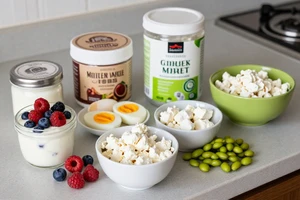
- Skip before lifting: Fried foods, full-fat dairy, high-fiber vegetables (broccoli, cauliflower), beans, lentils, and heavy nut butters in large amounts.
- Choose before lifting: White rice, a plain bagel, a ripe banana, white potatoes, or a simple sports drink (if you need extra glucose). Save your avocado, steak, and kale salad for post-workout meals.
Mistake #3: Fearing Carbohydrates and Over-Estimating Protein Needs
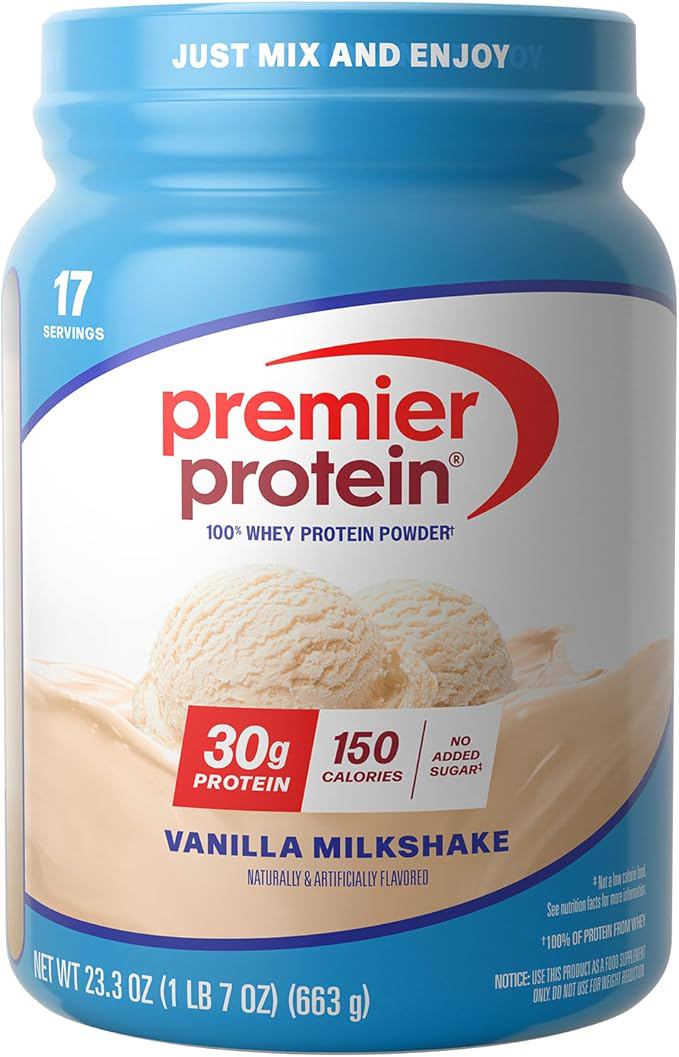
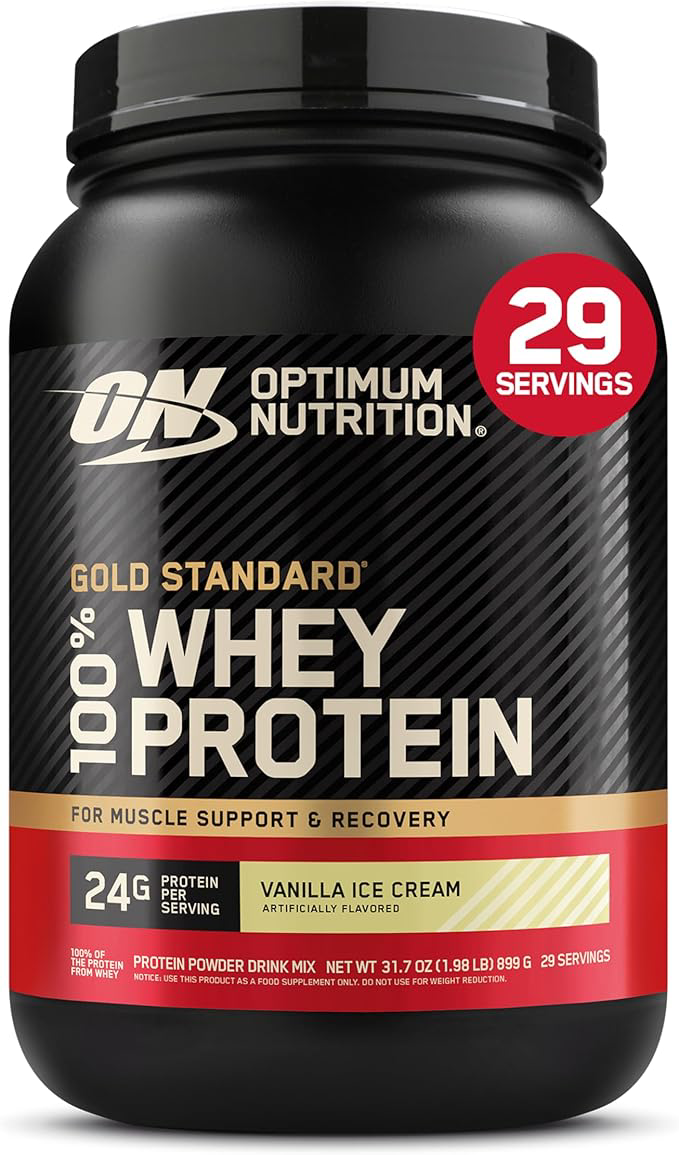
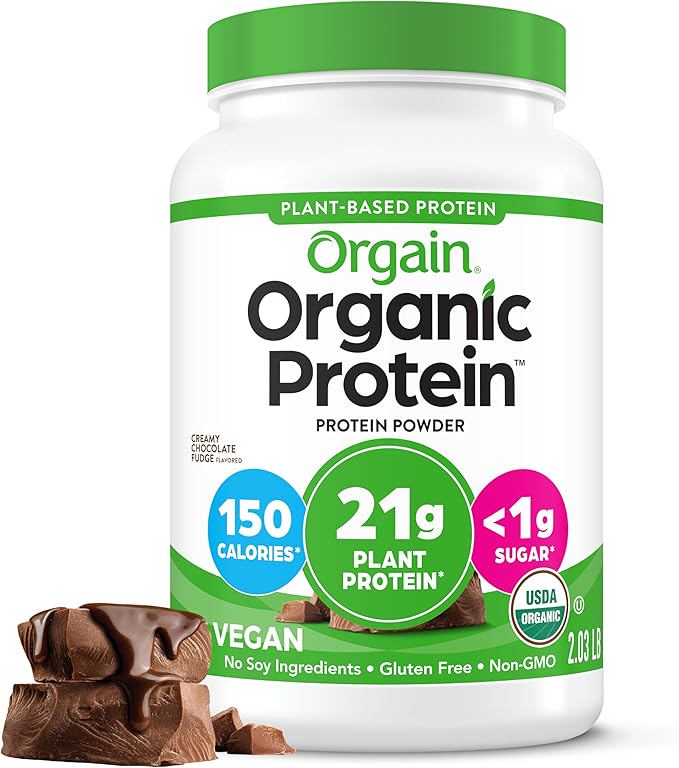
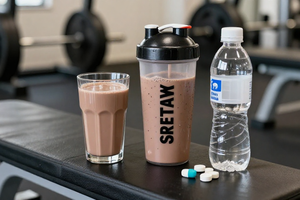
This mistake is born from the low-carb diet trend. Many new lifters worry that eating carbs will make them soft or fat, so they eat a pre-workout meal that is mostly protein — like a big scoop of whey protein mixed with water or a chicken breast with a few spinach leaves. They think they are “feeding the muscle.” In reality, they are starving their performance.
Protein is essential for muscle repair, but it does not provide much immediate energy for lifting. Your muscles store carbohydrates in the form of glycogen. If you walk into the gym with low glycogen stores, your strength will drop, your reps will suffer, and you will feel flat and weak. Your body actually prefers carbohydrates for high-intensity work.
You do not need a massive pre-workout protein shake. A moderate amount of protein (10–20g) in your pre-workout meal is fine for staving off hunger and helping with muscle protein synthesis later, but it should not be the star of the show. Carbohydrates are the lead actor here.
The fix: Let go of the carb fear. A pre-workout meal for resistance training should be roughly 70–80% carbohydrates, 10–20% protein, and very low in fat and fiber. A simple example: a banana (carbs) with a small scoop of protein (or a glass of milk) is a near-perfect combo for most people lifting in the 45–60 minute range.
A Simple Pre-Workout Cheat Sheet for New Lifters
To keep things practical, here is a quick decision guide based on how long you have before you lift:
- 2–3 hours before: A balanced meal. Example: turkey sandwich on white bread with a piece of fruit, or a bowl of oatmeal with berries and a side of eggs.
- 45–90 minutes before: A smaller, carb-focused snack. Example: two rice cakes with jam, or a large banana, or a small bowl of cold cereal with milk.
- 15–30 minutes before: Liquid or very light carbs. Example: a small glass of apple juice or a sports gel (if needed). Avoid solid food in this window unless it is something like a few sips of a carb drink.
Your body is remarkably adaptable, but it is not magic. If you consistently eat too much, eat the wrong macros, or skip carbs out of fear, your training sessions will reflect that. The goal of the pre-workout meal is simple: provide easily accessible energy so you can lift harder, recover better, and stay comfortable while doing it. Start with these corrections, pay attention to how you feel, and adjust from there. Your gains will thank you.