Weeknight dinners often feel like a race against the clock, especially when you're committed to cooking vegetarian. The cycle of chopping, cooking, and cleaning every single evening can lead to burnout—and more takeout orders than planned. Dietitians agree that a little forward thinking is the secret to effortless, nourishing meals. Instead of relying on a single recipe, focus on three overarching strategies that you can rotate throughout the month. These methods transform how you approach your kitchen.
Strategy One: Batch-Cook a Flexible Grain and Legume Base
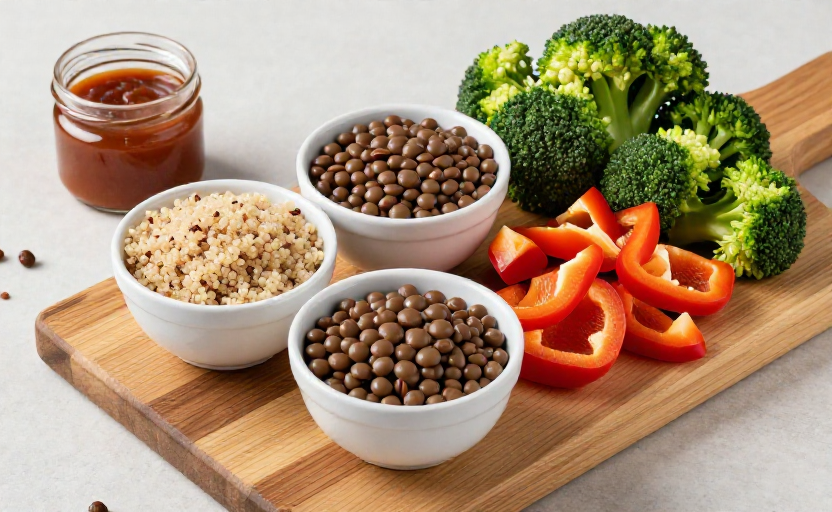
The most reliable shortcut in a vegetarian kitchen is having a cooked grain and a cooked legume ready to go. Think of this as your meal starter kit. On Sunday or a calm weekday evening, cook a large pot of quinoa, farro, or brown rice. At the same time, simmer a batch of lentils, chickpeas, or black beans. Once cooled, store them separately in airtight containers.
When dinner time arrives, you're already halfway done. Toss the grain and legume with a simple dressing, add whatever fresh vegetables you have on hand, and you have a hearty grain bowl in under ten minutes. You can also fold them into a quick wrap, stir them into a broth for a speedy soup, or use them as a stuffing for bell peppers. The key is that both components are already cooked, so the only real work is assembly and adding flavor.
Dietitians highlight that this approach ensures you're getting a complete protein profile without needing to think about it. It also reduces food waste, as you can use up leftover vegetables or herbs from earlier in the week. For variety, change the grain or legume each week—one week it's farro and lentils, the next it's brown rice and chickpeas. That small rotation keeps meals from feeling repetitive.
Strategy Two: Master the Art of the Freezer-Friendly Sauce
Sauces are where vegetarian dinners truly shine, but making a sauce from scratch every night is impractical. The solution is to prepare one or two versatile sauces in bulk and freeze them in portion-sized containers or ice cube trays. A well-made tomato basil sauce, a creamy cashew-based sauce, or a spicy peanut sauce can transform simple ingredients into something deeply satisfying.
Dietitian tip: Freeze sauces flat in zip-top bags. They thaw in minutes under warm running water or can go straight into a pan on low heat.
When you freezer-stash these flavor bases, a quick dinner becomes literal minutes away. Cook some pasta or spiralized zucchini, thaw a sauce cube, and you have a meal. You can also use a sauce as a quick curry base: add a can of coconut milk and some frozen vegetables to the peanut or tomato sauce, simmer for ten minutes, and serve over your pre-cooked rice. This strategy separates the labor-intensive cooking (the sauce) from the quick prep (the rest of the meal), making weeknights feel effortless.
Strategy Three: Pre-Prep Vegetables Using the “Wash, Chop, Store” Method
The most time-consuming part of a vegetarian dinner is usually vegetable prep. Washing, peeling, and chopping takes up the bulk of your cooking time. Dietitians recommend dedicating a single session each week to processing your vegetables. Wash and dry all leafy greens, chop onions and bell peppers, peel and cube sweet potatoes, and trim green beans. Store each type in its own container, lined with a paper towel to absorb excess moisture.
When your vegetables are prepped, a stir-fry takes five minutes. A sheet-pan dinner becomes a matter of tossing pre-chopped veggies with olive oil and herbs, then roasting. You can even pre-portion vegetables for specific meals in resealable bags. For example, one bag might hold cubed sweet potato, black beans, and corn for taco night, while another contains broccoli and bell pepper for a tofu stir-fry. This “grab and cook” system removes all barriers between you and a healthy meal.
Another subtle advantage is that pre-prepped vegetables are more likely to get eaten. When you're tired, you're far more inclined to use a container of ready-to-go broccoli than to wash and chop a whole head. This single habit can dramatically increase your vegetable intake without any extra willpower.
These three strategies work together like a well-oiled machine. With a cooked grain and legume base, a stash of freezer sauces, and pre-prepped vegetables, you can assemble a different vegetarian dinner every night of the week with minimal effort. The upfront investment of a couple of hours pays off in calm, quick, nutritious evenings—exactly what dietitians recommend for sustainable plant-based eating.