
When we think about improving skin texture, our first instinct is often to reach for a topical cream or serum. Yet what we put inside our bodies can be just as influential as what we apply on the surface. Chronic dehydration, for instance, can make the skin look dull, tight, or more lined. Over time, adequate hydration supports the skin's structural integrity and may help refine its overall texture.
Below are three hydration-focused drinks that, when included as part of a balanced diet and healthy lifestyle, may help support smoother, plumper-looking skin. Remember, no single drink can replace a comprehensive skincare routine or medical treatment for skin conditions—these are simply gentle additions worth considering.
Does what you drink really affect your skin texture?
Yes—but it is one piece of a larger puzzle. Your skin is your largest organ, and it relies on internal hydration to maintain its elasticity and barrier function. When you are well-hydrated, skin cells can function more efficiently, which may help the skin appear firmer and more even. Drinks rich in certain vitamins, antioxidants, or electrolytes may offer additional support by combating oxidative stress and supporting collagen production. That said, individual results vary greatly, and a drink alone will not dramatically change your skin overnight.
1. Cucumber and mint infused water
Plain water is always a reliable choice, but infusing it with cucumber and mint adds a subtle flavor that may encourage you to drink more throughout the day—and that increased intake is the real star here. Cucumber contains silica, a compound that plays a role in connective tissue health, while mint offers a refreshing, natural taste without added sugar. Staying consistently hydrated helps maintain the skin's moisture barrier, which can make fine lines and rough patches less noticeable over time. For best results, sip this infusion steadily rather than gulping large amounts at once.
2. Green tea (unsweetened)
Green tea is widely studied for its concentration of catechins, a type of antioxidant that may help protect the skin from environmental stressors. One of these catechins, epigallocatechin gallate (EGCG), has been associated with reduced inflammation and improved skin elasticity in some studies. Because green tea is primarily water, it counts toward your daily fluid intake, and its mild caffeine content is generally well tolerated. If you are sensitive to caffeine, consider a decaffeinated version or limit yourself to one cup earlier in the day. Avoid adding sugar or honey; the benefits are best obtained from the tea itself.
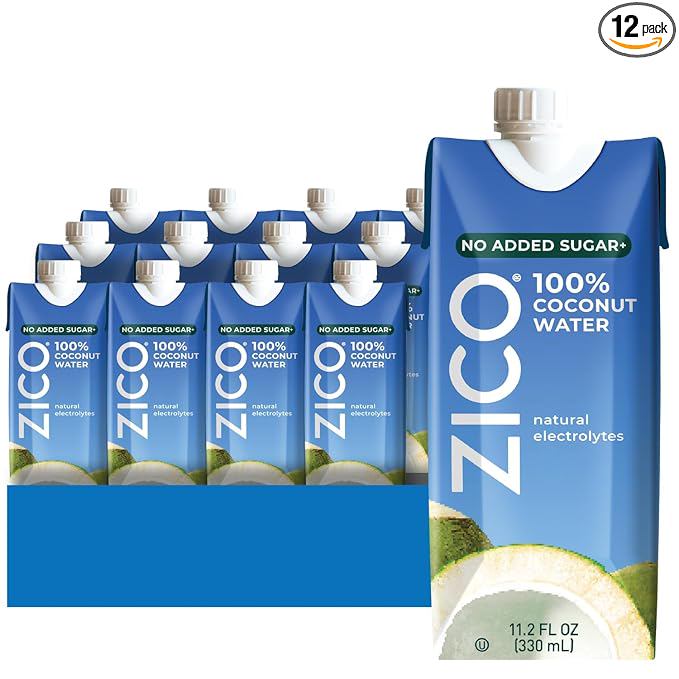
3. Coconut water (no added sugar)
Coconut water is a natural source of electrolytes such as potassium and magnesium, which help your body maintain proper fluid balance. For people who are active or live in hot climates, these electrolytes can support hydration more effectively than plain water alone. Well-hydrated skin is less likely to appear dry or flaky, which contributes to a more refined look. Choose unsweetened, unflavored coconut water—some commercial options are loaded with added sugars that may work against your skin health goals. A small glass (around 8 ounces) per day is plenty.
A note on hydration: Most adults need between 2.7 and 3.7 liters of total water per day from all sources (food and beverages). These drinks can help meet that goal, but they are not medical treatments. If you have kidney issues or other health conditions, check with your doctor before increasing your electrolyte intake.
How to use these drinks for best results
Incorporate these beverages as part of your daily routine, not as a cure-all. Start by replacing one sugary beverage or soda with a glass of infused water or unsweetened green tea. Drink consistently, not just when you feel thirsty—thirst is already a sign of mild dehydration. Pair your hydration efforts with a balanced diet rich in fruits, vegetables, healthy fats, and adequate protein, which provides the building blocks for healthy skin. And remember: sun protection, a regular cleansing and moisturizing routine, and avoiding smoking are still foundational for skin texture health.
When to set realistic expectations
While improving hydration can support skin function, it takes time—usually several weeks of consistent habits before you might notice subtle changes. Genetics, age, hormones, and environmental factors all play major roles in your skin's texture. These drinks are not a substitute for prescription skincare, dermatological advice, or treatments for conditions like acne, rosacea, or eczema. If you have persistent skin concerns, seeing a board-certified dermatologist is the best course of action.