We often think of hydration as something we drink, but what we eat plays a starring role in the health and moisture of our skin. The skin is our body’s largest organ, and its plump, dewy appearance relies heavily on water drawn from within. While topical creams can offer a temporary surface fix, lasting hydration is built from the nutrients we consume daily.
Dietitians point to specific foods that deliver a powerful combination of water, essential fatty acids, and key vitamins to support the skin’s natural moisture barrier. Incorporating these into your regular diet is a foundational step toward skin that feels supple and resilient.
Why Food Matters for Skin Hydration
Your skin’s outermost layer, the stratum corneum, acts as a barrier to prevent water loss. For this barrier to function well, it needs specific building blocks: ceramides, fatty acids, and cholesterol. These lipids help seal in moisture. Many of these components come from our diet.
Furthermore, certain vitamins act as antioxidants, protecting skin cells from damage that can weaken this barrier and lead to dryness. Simply drinking water is crucial, but without these supportive nutrients, that water may not be effectively retained in the skin’s tissues. Think of food as providing both the building materials and the protective systems for a well-hydrated complexion.
Top 3 Foods for Hydrated Skin
Focusing on whole, nutrient-dense foods is the most effective strategy. Here are three categories dietitians consistently recommend for boosting skin hydration from the inside out.
1. Fatty Fish
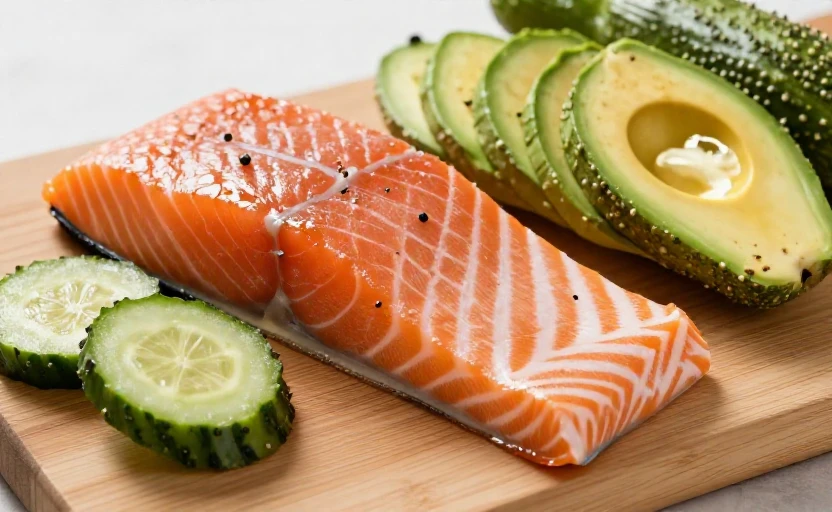
Salmon, mackerel, herring, and sardines are rich in omega-3 fatty acids, specifically EPA and DHA. These fats are incorporated into your skin cells, helping to fortify the lipid barrier. A strong barrier means better retention of moisture and less transepidermal water loss.
Omega-3s also have anti-inflammatory properties, which can help calm skin conditions often associated with barrier dysfunction, like redness and sensitivity. Aiming for two servings of fatty fish per week is a common recommendation to support skin health.
Fatty fish provides the essential fats your skin uses to build its natural moisture seal.
2. Avocados
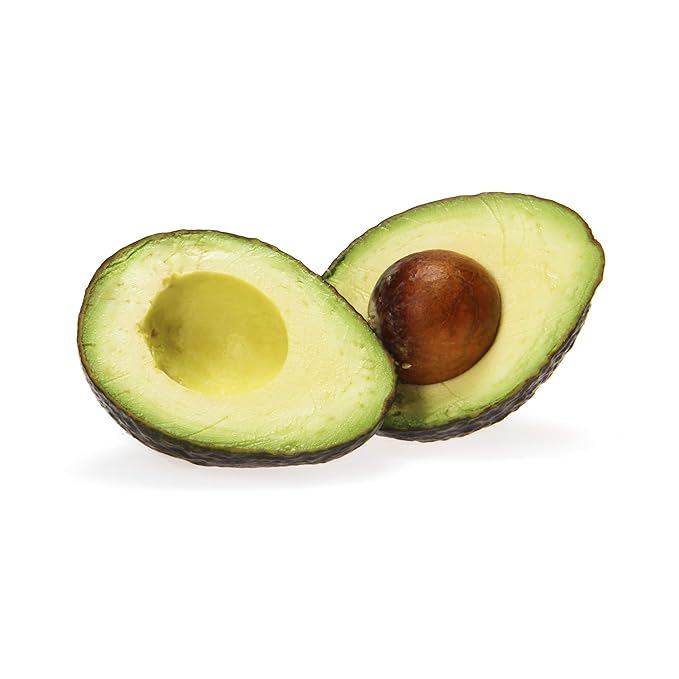
This creamy fruit is a powerhouse for skin hydration. It’s packed with monounsaturated fats, which contribute to flexible, moisturized skin. Perhaps more importantly, avocados are an excellent source of vitamin E, a potent antioxidant that protects skin cells—including the precious lipid barrier—from oxidative damage caused by sun exposure and pollution.
Vitamin E often works in tandem with vitamin C, another skin-loving nutrient. The healthy fats in avocado also help your body absorb fat-soluble vitamins from other foods, making them a valuable addition to any meal.
3. Cucumbers
Sometimes the most straightforward answer is the right one. Cucumbers are composed of about 95% water, making them a fantastic hydrating food. Eating water-rich foods contributes to your overall fluid intake in a way that feels refreshing and satiating.
But cucumbers offer more than just H2O. They contain silica, a trace mineral that is a component of collagen and may support the skin’s connective tissue, potentially aiding in elasticity. While not a magic bullet, their high water and silica content make them a simple, effective choice for promoting hydration.
Building a Skin-Supportive Diet
Beyond these three stars, a varied diet full of colorful plants and whole foods creates the best environment for your skin. Here’s how to think about your plate:
- Color is key: Orange and red vegetables like sweet potatoes and bell peppers are high in beta-carotene, which your body converts to vitamin A—vital for skin cell production and repair.
- Don’t forget vitamin C: Found in citrus, strawberries, kiwi, and broccoli, vitamin C is necessary for collagen synthesis, the protein that gives skin its structure and plumpness.
- Seeds and nuts: A handful of walnuts, chia seeds, or flaxseeds provides plant-based omega-3s (ALA) and zinc, another mineral involved in skin repair and barrier function.
It’s about consistent patterns, not perfection. A diet consistently lacking in essential fats, vitamins, and minerals will eventually reflect in your skin’s texture and moisture levels.
What to Limit for Balanced Hydration
Just as some foods support hydration, others can work against it. This doesn’t mean you need to eliminate them entirely, but being mindful of balance is wise.
Excessively high sodium intake can encourage the body to pull water from cells to dilute the sodium in your bloodstream, which may affect skin hydration. Ultra-processed foods and certain restaurant meals are common sources of hidden sodium.
Similarly, while the research is nuanced, very high sugar consumption may contribute to a process called glycation, where sugar molecules bind to and damage collagen and elastin fibers, potentially leading to weaker skin structure over time. The goal isn’t restriction, but rather ensuring your baseline diet is so rich in supportive foods that there’s less room for items that offer little nutritional benefit to your skin.
Ultimately, hydrated skin is a reflection of overall wellness. Nourishing your body with a variety of water-rich fruits and vegetables, healthy fats, and lean proteins provides the foundation. When you feed your skin from the inside, the glow you see is more than surface-deep—it’s a sign of cells well-nourished and functioning as they should.