
When menopause arrives, it often brings an unwelcome passenger: the mood swing. One moment you feel steady; the next, a wave of irritation, sadness, or sudden anxiety sweeps in for no clear reason. These emotional shifts are not in your head—they are rooted in fluctuating estrogen, progesterone, and the way those hormones interact with brain chemicals like serotonin. While you cannot stop the transition, you can influence how your body handles the ride.
The foods you eat act as raw materials for your brain’s chemistry. Certain choices help stabilize blood sugar, support neurotransmitter production, and calm the nervous system. These three foods target the specific nutritional gaps that tend to widen during perimenopause and menopause. Add them to your regular meals, and you may notice that the emotional roller coaster starts to level out.
Why your mood swings happen during menopause
Estrogen does more than regulate reproduction—it influences serotonin, the brain’s primary feel-good neurotransmitter. When estrogen drops, serotonin dips too, and your brain becomes more sensitive to stress. At the same time, cortisol (your stress hormone) can rise, adding fuel to the fire. Blood sugar swings, common during this stage, can also trigger irritability, jitters, and sudden fatigue that mimic mood swings. The right foods work at these root causes rather than just masking the symptoms.
1. Oily fish: nature’s mood stabilizer
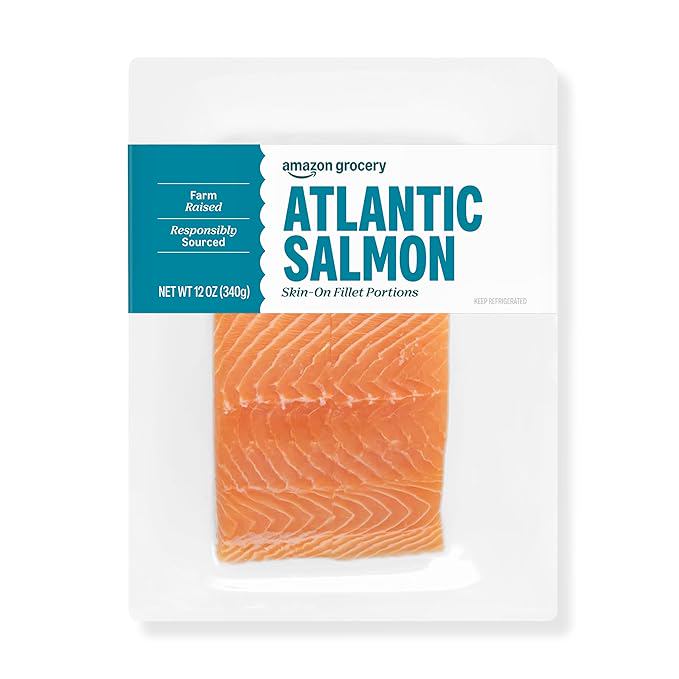
Salmon, sardines, mackerel, and anchovies are dense sources of omega-3 fatty acids—specifically EPA and DHA. These fats are essential building blocks for brain cell membranes and directly influence neurotransmitter function. Low omega-3 levels have been consistently linked to higher rates of depression and mood instability, including during menopause.
These fish also provide vitamin D, a nutrient many women become deficient in after menopause. Vitamin D receptors are found throughout the brain, and low levels are associated with low mood and fatigue. Aim for two servings of fatty fish per week. If you do not eat fish, a high-quality algae-based omega-3 supplement is a reasonable alternative—though whole food sources offer additional nutrients your body can use together.
A simple note: canned sardines or mackerel on whole-grain crackers make a quick, shelf-stable lunch that supports mood stability.
2. Fermented foods: the gut–brain connection
Your gut produces about 90 percent of your body’s serotonin. When the balance of bacteria in your intestines shifts—which often happens with hormonal changes—the production of mood-regulating neurotransmitters can be disrupted. Fermented foods help repopulate your gut with beneficial bacteria that support this process.
What to eat
- Plain yogurt or kefir (look for live active cultures, not sugary fruit-on-the-bottom versions)
- Sauerkraut or kimchi (raw, unpasteurized varieties retain the most probiotics)
- Miso and tempeh (also provide plant-based protein, which helps steady blood sugar)
- Kombucha (choose low-sugar brands to avoid blood sugar spikes)
Start with one serving per day and gradually increase to two or three. Introducing too much too quickly can cause bloating or digestive discomfort. Over time, a healthier gut microbiome may reduce inflammation and improve how your brain handles stress.
3. Dark leafy greens: magnesium and folate for calm
Spinach, kale, Swiss chard, and collard greens are packed with magnesium, a mineral that relaxes the nervous system and helps regulate cortisol. Many women are low in magnesium during menopause, partly because hormonal shifts cause the kidneys to excrete more of it. Low magnesium is directly linked to anxiety, irritability, and trouble sleeping.
These greens also provide folate (vitamin B9), which your body uses to produce dopamine and serotonin. Folate deficiency can blunt the effects of mood-supporting nutrients, and it is common in women whose diets are low in vegetables. Try to include at least one generous serving of dark leafy greens per day—think a full handful of spinach in a smoothie, a side of sautéed kale at dinner, or a large salad built around arugula or romaine.
Building meals around these three categories—oily fish, fermented foods, and dark leafy greens—gives your body the specific tools it needs to navigate menopause with greater emotional steadiness. No single food is a cure, but consistently choosing these ingredients can make a real, noticeable difference over several weeks.