
Vaginal dryness is a common but often unspoken issue that can stem from many causes, including hormonal shifts, seasonal changes, and the use of certain medications. For women who rely on hormonal birth control, antihistamines, antidepressants, or anti-estrogen therapies, maintaining natural lubrication can become a challenge. While over-the-counter moisturizers and lubricants offer immediate relief, supporting the body from the inside out—specifically through diet—can make a meaningful difference over time.
Below, we explore three nutrient-rich foods that may help support vaginal tissue health and moisture, particularly for those navigating dryness related to medication use. These dietary additions work by supporting hormone balance, circulation, and the integrity of mucous membranes—all without interfering with prescribed treatments.
How medications can cause vaginal dryness
Before diving into foods, it helps to understand why medications sometimes lead to dryness. Hormonal birth control pills, for instance, lower the body's natural production of testosterone and can alter estrogen levels, reducing the secretions that keep vaginal tissues lubricated. Antihistamines, often taken for allergies or colds, dry out mucous membranes throughout the body—including the vagina. Similarly, certain antidepressants, particularly SSRIs, and anti-estrogen drugs used for endometriosis or uterine fibroids can decrease natural moisture.
Bottom line: If you're on a medication known to cause dryness, dietary support can be a gentle, complementary strategy—never a replacement for medical advice or prescribed treatments.
1. Omega-3-rich fish (salmon, mackerel, sardines)
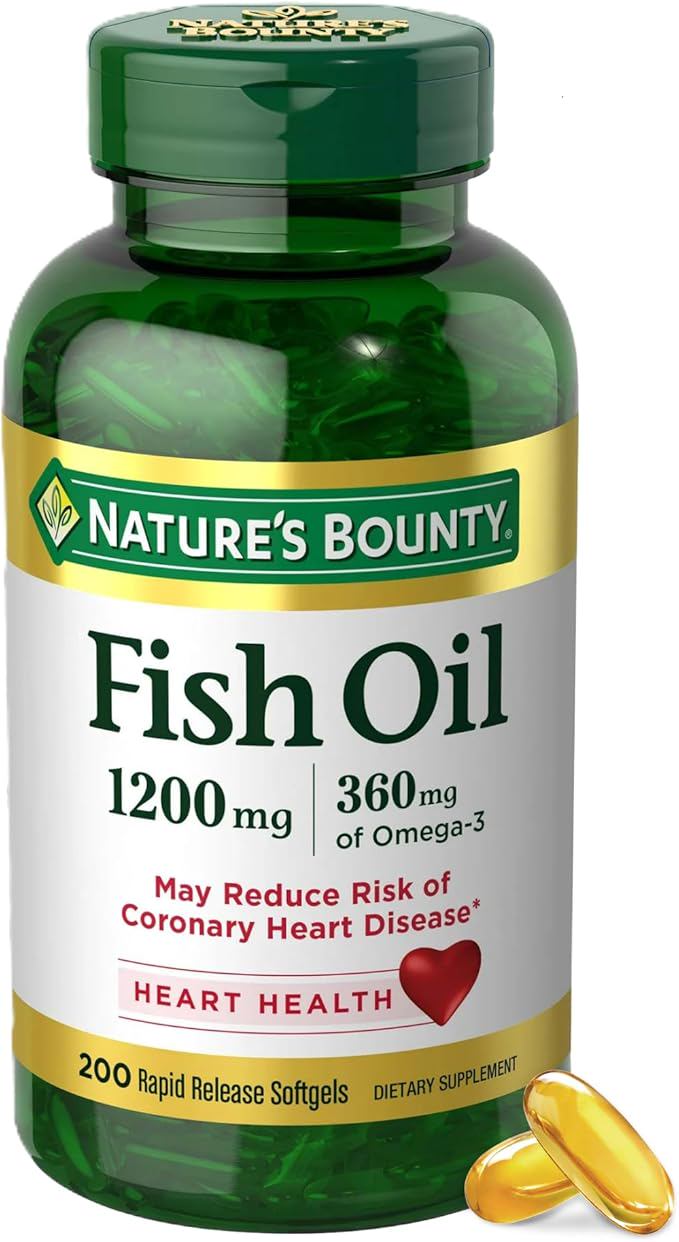
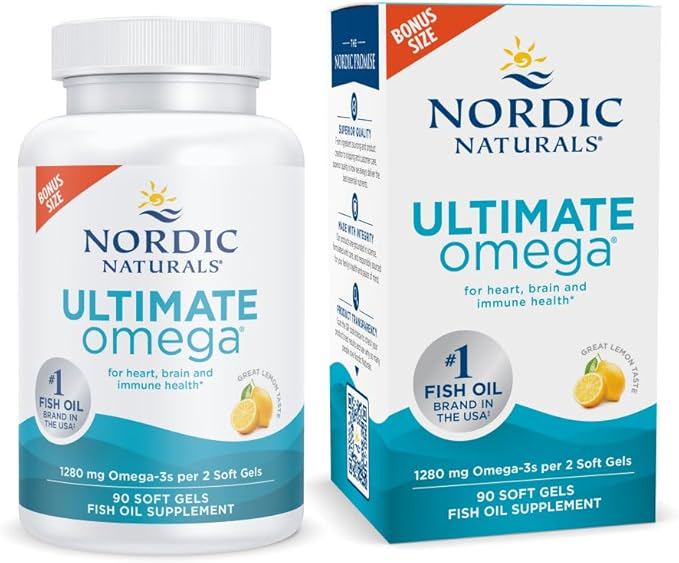
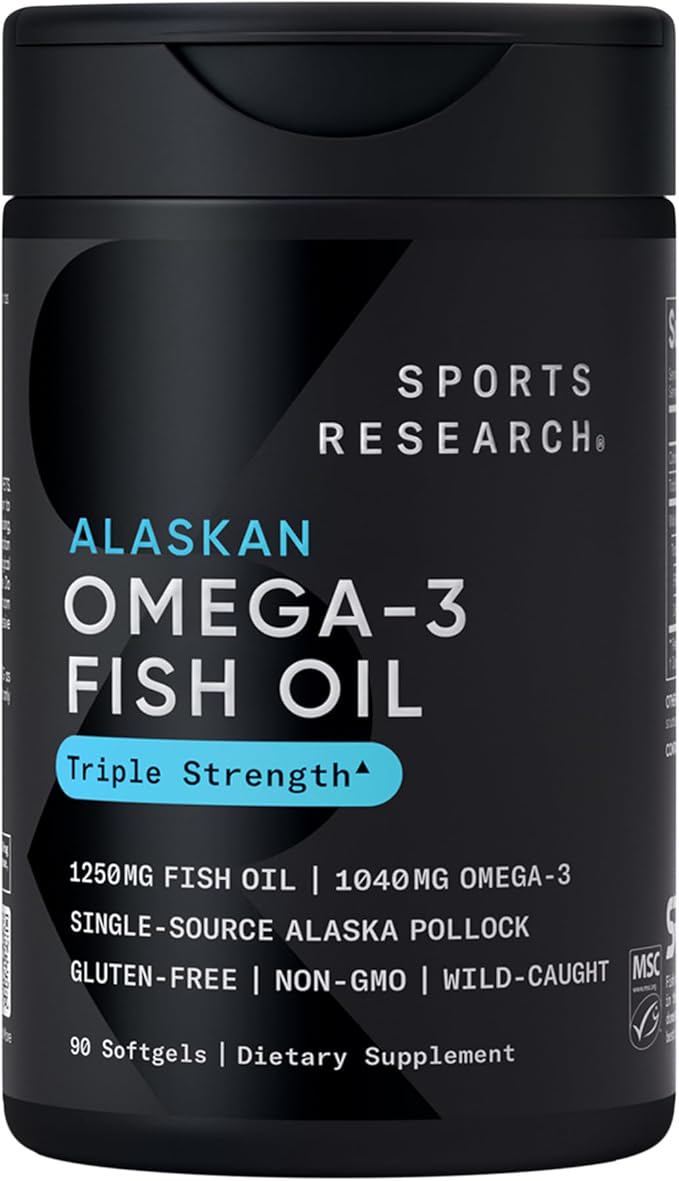
Omega-3 fatty acids are well known for their anti-inflammatory properties, but they also play a crucial role in maintaining healthy cell membranes throughout the body, including those of the vaginal lining. When cell membranes are flexible and well-hydrated, tissues retain moisture more effectively.
Cold-water fatty fish like salmon, mackerel, and sardines provide EPA and DHA—two forms of omega-3 that support circulation and reduce inflammation. For women whose vaginal dryness is compounded by reduced estrogen (common with hormonal birth control or postmenopausal medications), omega-3s can help offset some of the thinning and drying of vaginal tissues.
- How to include it: Aim for two servings of fatty fish per week. Grilled salmon over greens, sardines on whole-grain crackers, or mackerel added to salads are simple options.
- Why it works: Omega-3s support healthy blood flow to the pelvic region, which helps glands that produce natural lubrication function better.
2. Soy and other phytoestrogen sources (tofu, edamame, flaxseeds)
Phytoestrogens are plant compounds that can mimic the activity of estrogen in the body, though much more weakly. While they are not a replacement for the hormone itself, they can offer modest support for women whose estrogen levels are low due to medication—for example, those on birth control pills or anti-estrogen treatments.
Soy products like tofu, tempeh, and edamame are rich in isoflavones, a type of phytoestrogen. Flaxseeds are another excellent source, containing lignans that can help balance hormones and support tissue moisture in the vaginal area. Research suggests that diets higher in phytoestrogens are associated with better vaginal health in perimenopausal and menopausal women, and the same logic applies to medication-induced dryness.
- How to include it: Add a tablespoon of ground flaxseed to your morning smoothie or oatmeal. Snack on steamed edamame, or use tofu in stir-fries and soups.
- Why it works: Phytoestrogens can gently support the health of mucosal tissues, helping them stay supple and moisturized even when natural estrogen production is reduced.
3. Avocados
Avocados are a nutritional powerhouse for vaginal health, thanks to their combination of healthy fats, vitamin E, and B vitamins. Healthy fats are essential for the body to produce natural lubricating fluids, while vitamin E is known for its ability to support skin and mucous membrane integrity. Vitamin B6, found in avocados, plays a role in hormone regulation, which can be helpful when medication is altering your body's natural balance.
The creamy texture of avocado also makes it easy to combine with other moisture-supporting foods—like adding it to a salad with omega-3-rich fish or blending it into a smoothie with flaxseeds.
- How to include it: Half an avocado spread on toast, chopped into a salad, or blended into a smoothie. One serving a day is a reasonable goal.
- Why it works: Avocados provide the building blocks your body needs to maintain healthy cell membranes and hormone function—both key for vaginal moisture.
Additional lifestyle considerations
While diet is a powerful tool, managing vaginal dryness while on medication also benefits from smart daily habits. Avoiding douching, which disrupts the vaginal microbiome, and steering clear of heavily perfumed soaps or lotions in the genital area helps preserve natural moisture. Drinking enough water throughout the day is also essential, since hydration supports all mucous membranes.
If dryness persists or becomes painful, speak with your healthcare provider. They may recommend a vaginal moisturizer, estrogen cream, or other options that can be used alongside your current medication.