Vaginal dryness is a common side effect of many medications, yet it's rarely discussed in the exam room. Antihistamines, certain antidepressants, hormonal contraceptives, and chemotherapy drugs can all reduce natural lubrication. Many people assume they just have to live with it—or they reach for the first product on the drugstore shelf without checking the ingredients. In practice, two specific missteps tend to undermine relief and, in some cases, can make irritation worse. Understanding these mistakes can help you navigate this side effect with more confidence and comfort.
Mistake #1: Reaching for products with glycerin, parabens, or fragrances
When a medicine leaves you feeling dry, it's natural to grab any lubricant or moisturizer that promises immediate comfort. The problem is that many commercial intimate-care products contain ingredients that are great for shelf life but not for sensitive mucosal tissue. Glycerin, for example, can feed yeast and trigger recurrent infections in women prone to them. Fragrances and parabens can sting or cause swelling when the tissue is already thin or irritated from medication-induced dryness.
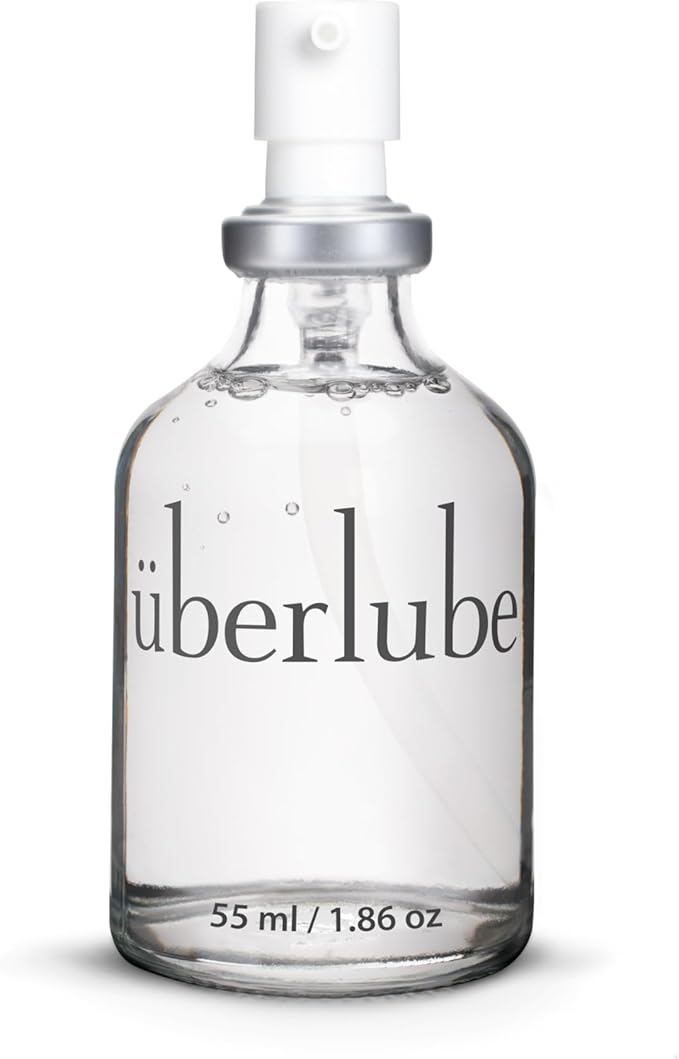
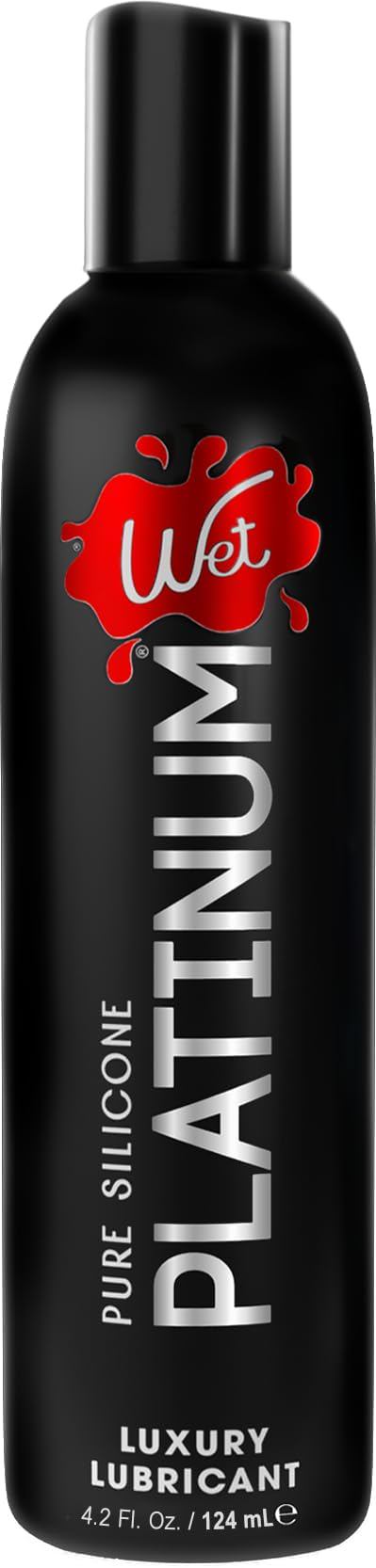
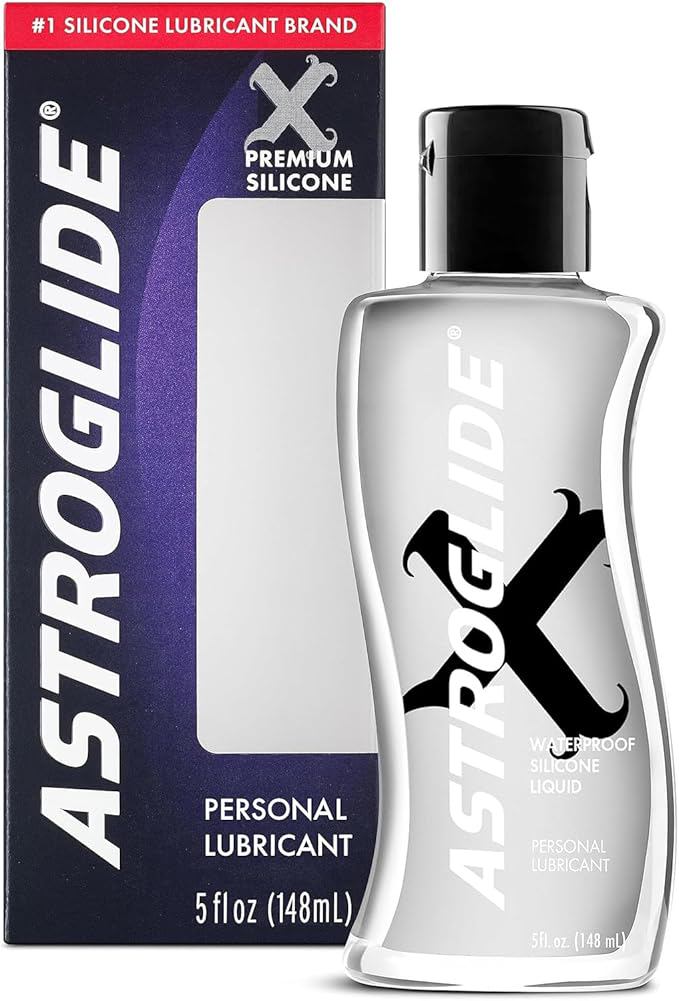
A better approach: look for water-based or silicone-based lubricants with minimal ingredients. Your best bets are products labeled as hypoallergenic, fragrance-free, and made without added sugars or preservatives that disrupt pH balance. If you use a vaginal moisturizer (separate from a lubricant), choose one that mimics the body's natural fluids without sticky residues. This shift alone often delivers far more comfort than a typical drugstore gel.
Mistake #2: Stopping medication without consulting your prescriber
Vaginal dryness can be uncomfortable enough to make someone consider quitting their medication—especially if libido is affected or sex becomes painful. That's understandable. But abruptly stopping a prescribed medication—whether it's an SSRI antidepressant, a birth control pill, or an allergy treatment—can create its own cascade of problems. You might rebound with worse symptoms of the original condition, or you could trigger withdrawal effects that are harder to manage than the vaginal dryness.
If the dryness is interfering with your quality of life, speak with the doctor who prescribed the medication. Often, there's a workaround. They may be able to adjust the dosage, switch you to a different drug class with fewer side effects, or recommend a complementary treatment that balances lubrication without compromising the medication's primary benefit. This conversation is key to finding a solution that treats the whole picture—not just one symptom.
Practical strategies that actually help
Beyond avoiding these two mistakes, small everyday changes can make a meaningful difference. Staying well-hydrated supports all mucous membranes, including vaginal tissue. Using a vaginal moisturizer two or three times a week (not just during sex) can rebuild baseline moisture levels. Silicone-based lubricants tend to last longer than water-based ones, which is helpful if dryness is persistent. Also, pay attention to soaps and laundry detergents—many contain chemicals that further strip natural oils, so switching to unscented, gentle cleansers can reduce overall irritation.
“The first rule of managing medication side effects: never stop a drug you need without talking to your doctor. The second rule: don't pick a personal lubricant like you pick a candy bar. Read the label.”
In some cases, your healthcare provider may suggest a topical estrogen or a prescription gel that restores local tissue health, which can be especially helpful if dryness is linked to hormonal changes. But that's a decision best made in consultation, not at the pharmacy counter.
The bottom line: two simple shifts—choosing cleaner intimate-care products and keeping your doctor in the loop—can dramatically reduce the discomfort from medication-induced vaginal dryness. You don't need to tolerate this side effect in silence, and you don't need to solve it with random products. A targeted, informed approach works much better.