
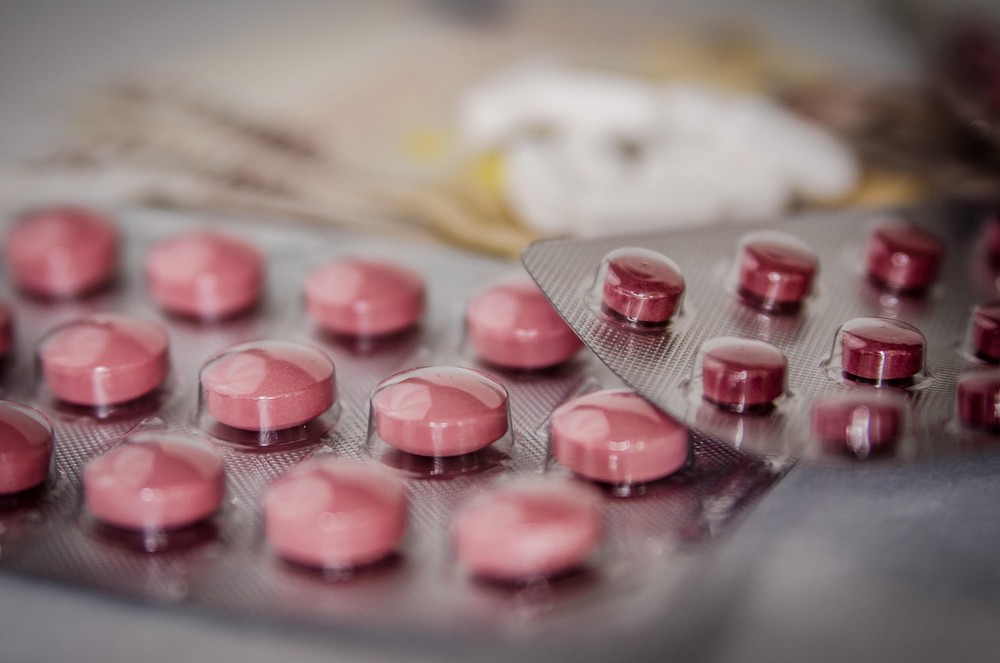
Medication can be a lifeline for countless health conditions, but some prescriptions come with an invisible price tag: sexual side effects. These symptoms are often underreported because people either don't connect them to their medicine or feel too embarrassed to bring them up. Recognizing the warning signs early can help you have a more productive conversation with your healthcare provider and avoid unnecessary distress.
Dermatologist and venereologist Dr. Niveditha Manokaran, who regularly addresses taboos around sexual health on her platform, emphasizes that sexual well-being is about more than avoiding disease—it also involves freedom from discomfort and mutual respect. When medication interferes with that balance, the body sends signals. Below are four key warning signs to watch for.
1. A noticeable drop in libido
A sudden or gradual loss of interest in sex that coincides with starting a new medication is one of the most common red flags. This isn't about being tired or stressed for a day or two—it's a persistent lack of desire that feels out of character. Antidepressants (especially SSRIs), blood pressure drugs, and some hormonal treatments are frequent culprits. If you find yourself consistently uninterested in sexual activity and this shift followed a prescription change, it's worth noting.
2. Difficulty with arousal or achieving orgasm
Even if desire remains intact, medication can interfere with the physical mechanics of arousal. For men, this often shows up as erectile dysfunction or delayed ejaculation. For women, it may mean trouble with natural lubrication, reduced genital sensation, or an inability to reach orgasm despite adequate stimulation. These symptoms are not a reflection of attraction or relationship quality—they point to a physiological effect of the drug. SSRIs, antihistamines, and certain diuretics are known to cause these issues.
3. Persistent pain or discomfort during sex
Pain during intercourse—whether penetration or arousal—is another potential medication side effect that often goes unmentioned. Some drugs cause vaginal dryness or pelvic floor tension; others can lead to testicular discomfort or a burning sensation that isn't related to infection. If this pain appeared after you began a new prescription and doesn't have another clear cause (like an STI or injury), it may be linked to the medication.
Important: Never stop taking a prescribed medication without first consulting your doctor. Sexual side effects can often be managed by adjusting the dose, switching to an alternative drug, or adding a complementary treatment.
4. Changes in hormone-related side effects (gynecomastia or menstrual disruption)
Some medications can subtly alter hormone levels, leading to unexpected physical changes. Men might notice breast tissue growth (gynecomastia) or nipple sensitivity, while women may experience irregular periods, spotting, or changes in breast tenderness. These signs are less commonly linked to sexual function but are directly related to the hormonal balance that supports healthy sexual response. Drugs for prostate conditions, certain antipsychotics, and some heart medications can have this effect.
What to do if you notice these signs
If any of these warning signs sound familiar, start by keeping a simple journal: note when the symptom began, its severity, and how it aligns with your medication schedule. Bring this information to your next appointment. Healthcare providers can often adjust your treatment—by lowering the dose, switching to a different class of drug, or adding a therapy that counteracts the side effect—without compromising the primary condition you're treating.
Sexual health is a legitimate part of overall wellness, and side effects that interfere with it deserve the same attention as any other adverse reaction. Being informed and proactive helps you stay in control of your health without having to sacrifice quality of life.