
Vaginal dryness is a common and often distressing symptom, but many people don't realize their medicine cabinet might be part of the cause. While hormonal shifts during menopause or breastfeeding are well-known triggers, a wide range of prescription and over-the-counter medications can disrupt the body's natural lubrication systems. Identifying which medication might be responsible is the first step toward finding comfort and maintaining sexual health.
This guide walks through the mechanisms of medication-induced dryness, the most common drug categories involved, and how to have a productive conversation with your healthcare provider. Because you do not need to simply accept discomfort as the price of treatment.
How can a medication cause vaginal dryness?
The body's natural lubrication is largely controlled by estrogen. This hormone stimulates the vaginal lining to produce a clear, healthy fluid that keeps tissues flexible, acidic, and protected from irritation. When a medication lowers estrogen levels, blocks estrogen receptors, or alters the balance of other hormones like testosterone (which also plays a role in arousal and lubrication), the glands in the vaginal wall produce less fluid. The tissue can also become thinner, less elastic, and more fragile—a condition sometimes called vaginal atrophy. Other drugs cause dryness by acting directly on the nervous system: antihistamines, for example, dry out all mucous membranes by blocking histamine receptors, which reduces fluid secretion throughout the body, including in the vagina.
A quick check: If you noticed vaginal dryness after starting a new medication—especially within the first few weeks—there is a good chance the drug is involved.
Common drug categories linked to vaginal dryness
Several classes of medications are known to interfere with lubrication. They include, but are not limited to, the following:
Hormonal contraceptives
Birth control pills, patches, rings, and hormonal intrauterine devices (IUDs) work partly by suppressing the body's natural estrogen production. For some women, this can result in significantly less vaginal lubrication, even years after starting use. The effect is most often seen with combined oral contraceptives that contain both estrogen and progestin, but some progestin-only methods can also contribute.
Antihistamines and decongestants
These are some of the most frequent culprits because they are widely available. By drying out mucous membranes to relieve a runny nose or sinus congestion, they can also dry out the eyes, mouth, and vagina. This is an expected systemic side effect—it is not a sign of anything abnormal with the medication, but it can be very uncomfortable for women who take them regularly for allergies or colds.
Selective Serotonin Reuptake Inhibitors (SSRIs) and other antidepressants
SSRIs such as fluoxetine (Prozac), sertraline (Zoloft), and paroxetine (Paxil) are well-documented to cause sexual side effects, including reduced libido, delayed orgasm, and vaginal dryness. This is thought to relate to changes in serotonin levels that affect blood flow and nerve signaling to the pelvic area. Bupropion (Wellbutrin) is a notable exception with a lower rate of sexual side effects.
Chemotherapy and hormone therapy for cancer
Treatments for breast cancer, ovarian cancer, and other reproductive or hormone-sensitive cancers can involve chemotherapy that damages ovarian function or medications like tamoxifen and aromatase inhibitors that sharply lower estrogen levels. Vaginal dryness and atrophy are extremely common in this context, often requiring proactive management with non-hormonal lubricants and moisturizers.
Other medications to watch for
- Blood pressure drugs: Beta-blockers and diuretics can contribute to reduced lubrication, partly due to decreased blood flow to the genital area.
- Anti-epileptics and mood stabilizers: Some drugs used for seizures or bipolar disorder (e.g., valproate) can alter hormone levels.
- Proton pump inhibitors (PPIs): While the connection is less clear, some women report vaginal dryness when using strong acid reflux medications.
- Retinoids: Isotretinoin (Accutane) is known to cause severe dryness of the skin, lips, and eyes, and can also affect vaginal tissues.
Step-by-step: How to identify the link
If you suspect a medication is causing vaginal dryness, the most reliable method is a careful and systematic process. Do not stop or change any prescription medication on your own.
- Make a list of every drug, supplement, and over-the-counter product you take, including the dose and how long you have been taking each one.
- Note when your vaginal dryness began. Try to match the timeline to when a specific medication was started, stopped, or when the dose was changed.
- Keep a symptom diary for two weeks. Record whether the dryness feels constant or worsens after taking a particular pill, and whether it improves on days you skip a medication (if safe to do so).
- Bring your list and diary to your primary care provider, gynecologist, or the prescribing doctor. Ask, "Could this symptom be a side effect?"
Questions to ask your healthcare provider
Approaching the conversation with your doctor can feel awkward, but it is an essential part of good health care. Here are a few specific questions that can help you get clearer answers without feeling embarrassed:
- "Is vaginal dryness a known side effect of this specific medication?"
- "If so, is it related to the dose I am taking?"
- "Would switching to a different drug in the same class (e.g., a different antidepressant) be a reasonable option?"
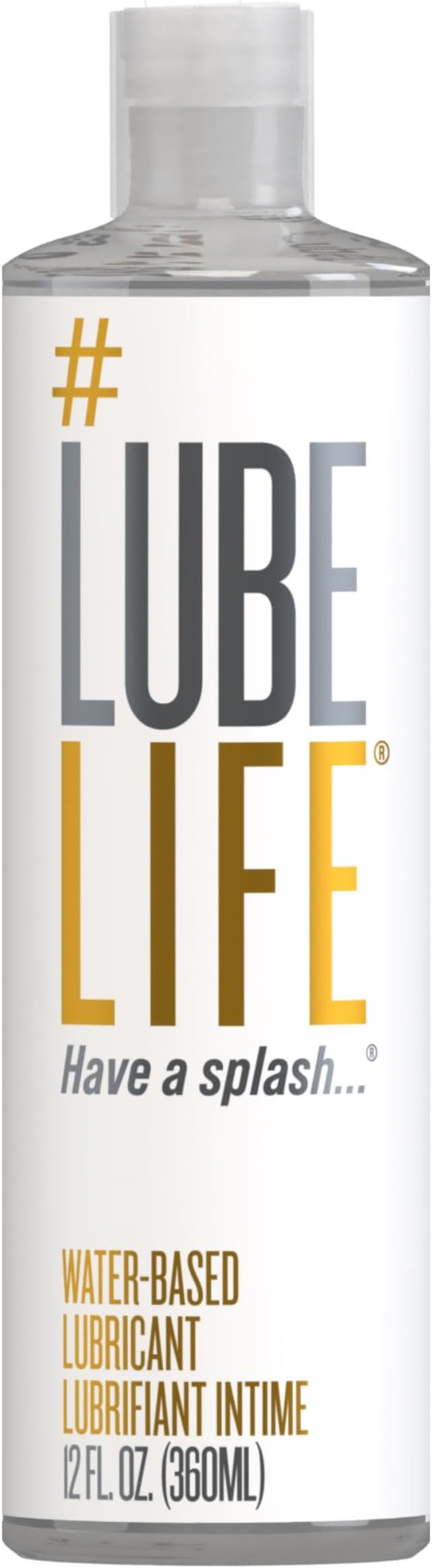
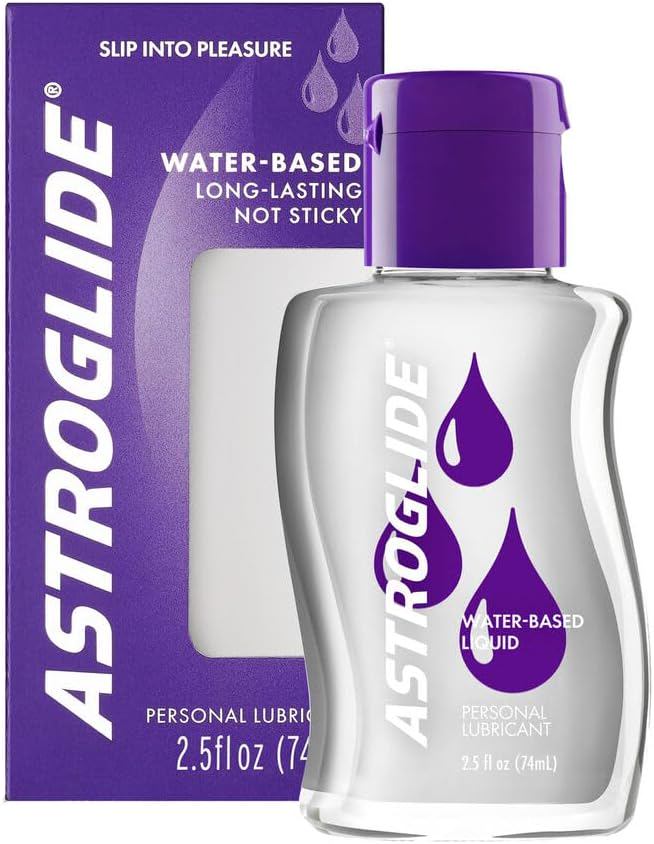
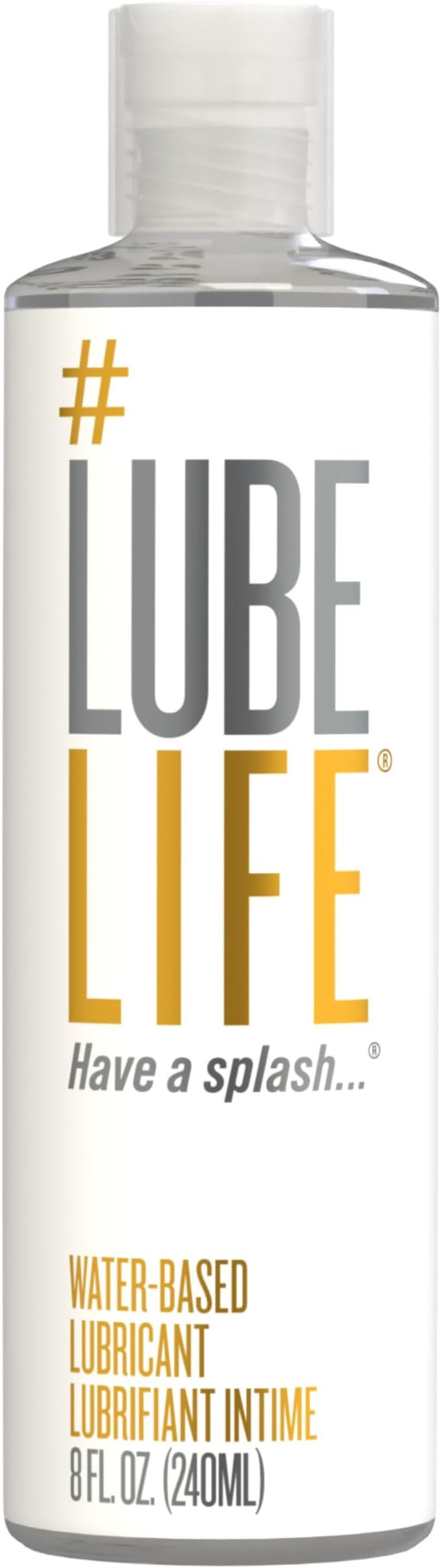
- "What safe over-the-counter lubricants or moisturizers do you recommend that would not interfere with my treatment?"
What about treatments that are not a pill?
It is worth noting that some vaginal products themselves can contribute to dryness. Scented soaps, douches, sprays, and even some topical antifungal creams or yeast infection treatments can disrupt the delicate balance of the vaginal microbiome and the moisture-producing cells. If you use a topical product regularly, it is worth pausing it (with your doctor's guidance) to see if symptoms improve.
When to see a doctor without delay
While medication-triggered vaginal dryness is rarely a medical emergency, you should contact your healthcare provider if you also experience:
- Recurrent urinary tract infections or yeast infections
- Bleeding or spotting after intercourse
- Pain or burning that worsens
- New pelvic pain or pressure
- Any unusual vaginal discharge or odor
These symptoms could indicate a secondary infection or irritation that needs specific treatment, separate from the dryness itself.
By understanding which medications are commonly involved and learning how to track your own symptoms, you can move from feeling confused and uncomfortable to having a concrete plan. You deserve effective treatment for your underlying condition, and you do not have to endure vaginal dryness as an unavoidable side effect.