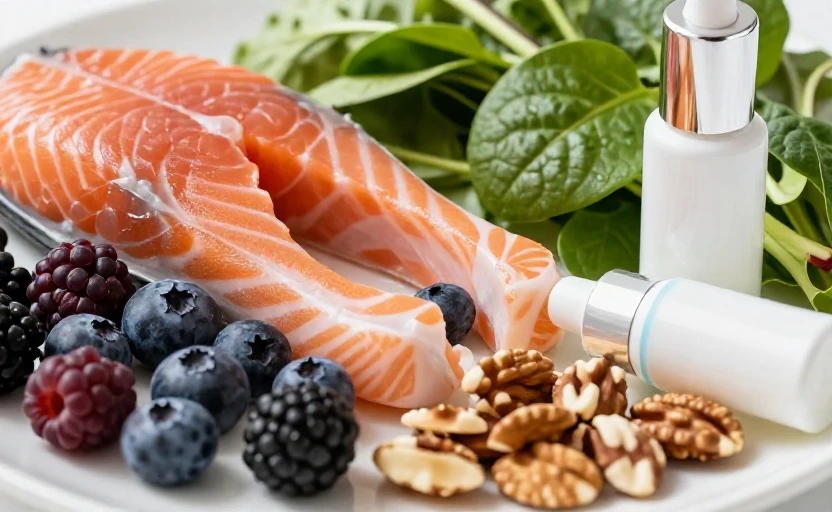
If you have oily skin, you’re likely familiar with the daily balancing act. You want to manage shine without stripping your skin’s natural moisture, and you’re probably careful about the products you use. But what about the foods you eat? While diet doesn’t cause oily skin—that’s largely determined by genetics and hormones—certain foods can act as triggers, potentially increasing inflammation, pore-clogging, or sensitivity for those already prone to an oily complexion. It’s about understanding your skin’s unique responses, not about blanket restrictions.
Think of it this way: oily skin is often more reactive. The excess sebum production can create an environment where pores are more easily congested, and the skin’s barrier can be subtly compromised. When you introduce certain dietary elements, they can sometimes amplify these existing conditions. The goal isn’t to eliminate foods out of fear, but to observe patterns. Noticing a connection between what’s on your plate and what’s happening on your face can be a powerful tool for managing your skin’s comfort and clarity.
How Food Can Influence Oily Skin
Before we look at specific foods, it’s helpful to understand the mechanisms at play. Food isn’t a direct switch for oil glands, but it can influence the skin’s environment in a few key ways.
Inflammation: Some foods can promote systemic inflammation in the body. For oily, acne-prone skin, this inflammatory response can worsen existing breakouts, make redness more pronounced, and increase overall skin sensitivity. It’s like adding fuel to a smoldering fire.
Blood Sugar Spikes: Foods that cause a rapid rise in blood sugar and insulin levels may indirectly affect oil production. Insulin-like growth factor (IGF-1) can stimulate sebaceous glands, potentially leading to more oil. This is one of the most studied links between diet and skin oiliness.
Digestive Response: For some individuals, certain foods are difficult to digest or may cause subtle intolerances. This internal stress can sometimes manifest externally as skin reactivity, dullness, or increased puffiness, which can make oily skin appear more congested.
Dietary changes are about supporting your skin’s health from the inside, not about finding a single culprit. Moderation and observation are your best guides.
Common Dietary Triggers for Oily, Sensitive Skin
Based on common patterns noted in dermatological observations, here are three food categories that may be worth paying attention to if you’re managing oily, reactive skin. Remember, sensitivity is personal; one person’s trigger may be another person’s harmless snack.
1. High-Glycemic Index Foods
These are carbohydrates that break down quickly into sugar in your bloodstream. Think white bread, sugary cereals, pastries, potato chips, and sodas.
The rapid blood sugar spike triggers a cascade that can increase IGF-1, which, as mentioned, may stimulate oil gland activity. For skin already producing excess sebum, this can mean more frequent clogged pores and a shinier complexion. The inflammatory response from these spikes can also make skin look redder and feel more irritated.
This doesn’t mean all carbs are off-limits. The focus is on high-glycemic options. Swapping to complex carbohydrates like whole grains, sweet potatoes, and legumes provides sustained energy without the dramatic spike, which is gentler on your system—and potentially on your skin.
2. Dairy Products (for some individuals)
Dairy’s relationship with skin is complex and highly individual. For some people with oily, acne-prone skin, dairy—particularly skim milk—can be a trigger. The reasons aren’t fully settled but may involve the hormones naturally present in milk or the way dairy interacts with insulin and IGF-1 pathways in certain bodies.
If you suspect dairy, it’s not necessarily about eliminating all of it. You might notice a pattern with liquid milk or whey-based protein powders, but not with fermented options like yogurt or kefir, which have a different biochemical structure. The key is to track your intake and see if a correlation emerges for you over several weeks.
When testing a potential trigger, give it at least three to four weeks of reduced intake to notice any change in your skin’s baseline behavior.
3. Certain Saturated and Processed Fats
Not all fats are created equal. While healthy fats from avocados, nuts, and fish are fantastic for supporting the skin’s lipid barrier, a diet very high in certain saturated and processed fats might promote inflammation.
Foods like fried foods, heavily processed snacks, and fatty cuts of red meat contain fats that can contribute to an inflammatory state. For sensitive, oily skin, this internal inflammation can translate to more angry-looking breakouts, increased redness, and a general feeling of skin reactivity. It’s less about the fat itself and more about the type and the overall inflammatory load it places on your body.
What to Focus on Instead
Rather than just avoiding triggers, consider what you can add to your diet to support calm, balanced skin.
- Antioxidant-rich foods: Colorful fruits and vegetables (berries, leafy greens, bell peppers) help combat oxidative stress and inflammation.
- Omega-3 fatty acids: Found in fatty fish, walnuts, flaxseeds, and chia seeds, these are powerfully anti-inflammatory and support a healthy skin barrier.
- Zinc: This mineral, present in pumpkin seeds, lentils, and chickpeas, helps with wound healing and may regulate oil production.
- Hydration: Drinking enough water is fundamental. Well-hydrated skin functions better, even if it’s oily.
Managing oily, sensitive skin is a holistic practice. It combines thoughtful skincare with an awareness of how your lifestyle, including diet, makes your skin feel. By paying attention to these potential dietary connections, you empower yourself with more information to find your unique balance.