
If you live with oily or combination skin, you already know the struggle: shine by midday, enlarged pores, and the occasional (or not-so-occasional) breakout. While your skincare routine matters, what you put on your plate might play a bigger role in those stubborn blemishes than you think. For people with oilier skin types, certain foods can fan the flames of inflammation and send sebum production into overdrive, creating the perfect environment for acne.
Below, we look at three common dietary triggers that may contribute to breakouts in oily and combination skin — and what you can do about them without resorting to an overly restrictive diet.
High-Glycemic Carbohydrates and Sugary Foods
Refined carbohydrates and added sugars are often at the top of the list when dermatologists discuss diet and acne. White bread, pasta, white rice, sugary cereals, pastries, and soda all have a high glycemic index (GI), meaning they raise blood sugar quickly. When blood sugar spikes, the body releases insulin and insulin-like growth factor 1 (IGF-1). These hormones can ramp up sebum production and encourage skin cells to multiply too quickly — two key factors that clog pores.
A 2022 review in the Journal of the Academy of Nutrition and Dietetics noted that people who followed a low-glycemic-load diet experienced a significant reduction in acne lesions compared to those eating a typical Western diet high in refined carbs. While more research is needed, the link is strong enough that many dermatologists now recommend moderating sugar and refined starch intake for acne-prone skin.
Try this: Swap white rice for quinoa or cauliflower rice, choose whole-grain bread over white, and satisfy a sweet craving with fresh berries instead of candy or pastries.
Dairy Products
Milk, cheese, ice cream, and yogurt are common staples, but for people with oily or combination skin, dairy can be a hidden culprit. The exact mechanism isn't fully understood, but researchers suspect that the hormones naturally present in cow's milk (and possibly the IGF-1 content) may stimulate oil glands and contribute to acne. Skim milk, in particular, has been associated with more breakouts than whole milk in several observational studies — possibly because processing alters the hormone balance.
A 2018 meta-analysis in the journal Nutrients found that people who consumed milk regularly had a higher odds of experiencing acne, with the strongest link seen for skim milk. The effect seems to be dose-dependent: more dairy, more breakouts. That said, not everyone with oily skin reacts to dairy. If your skin tends to flare after a cheese plate or latte, it may be worth a two-week elimination trial (under a healthcare provider's guidance) to see if symptoms improve.
Foods Rich in Omega-6s and Low in Omega-3s
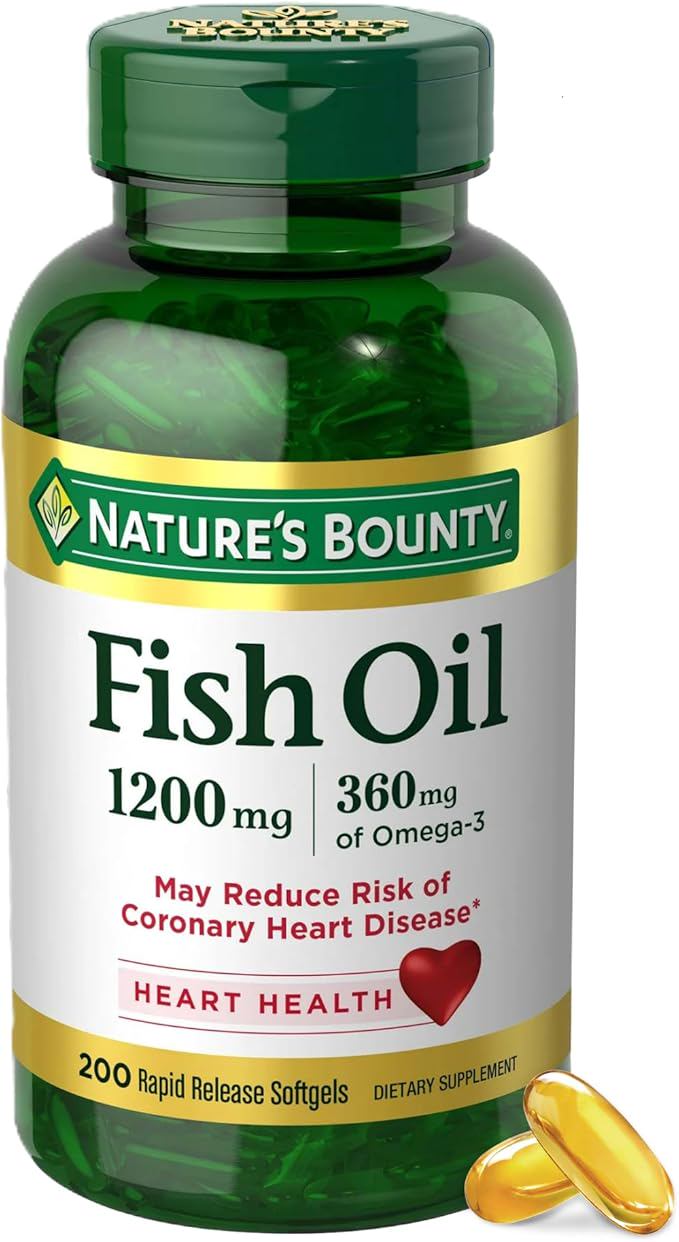
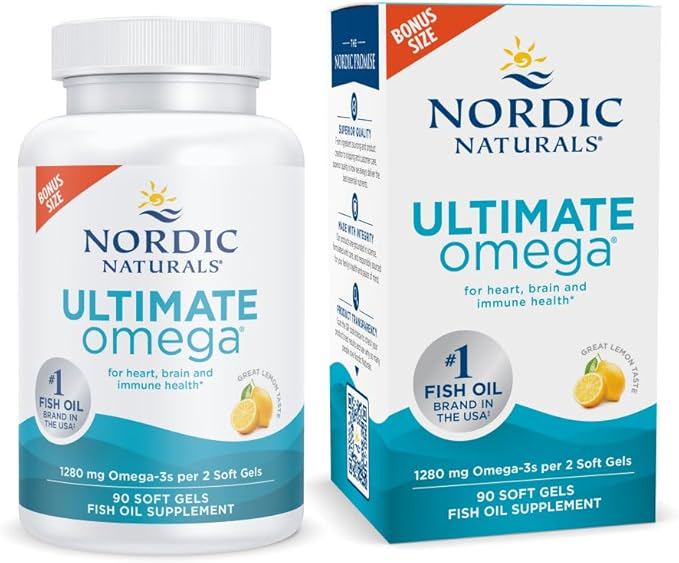
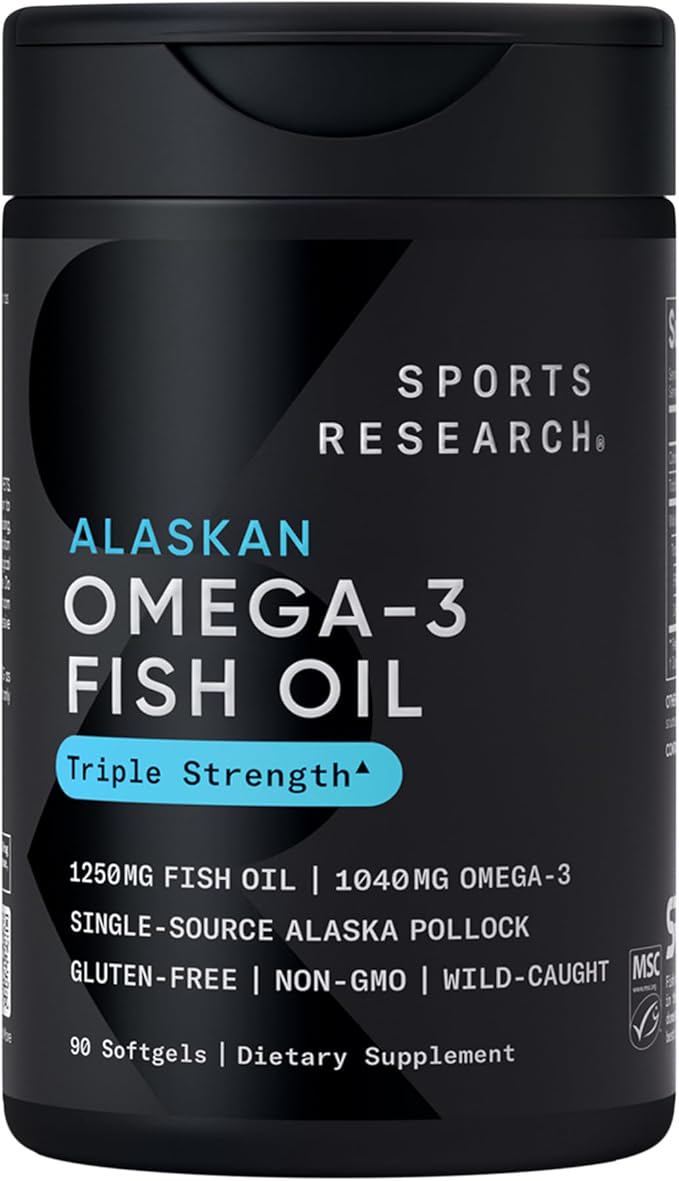
The balance of fatty acids in your diet can influence inflammation levels throughout the body — including in your skin. Many modern diets are heavy on omega-6 fatty acids (found in soybean oil, corn oil, sunflower oil, and many processed snacks) and light on anti-inflammatory omega-3s (found in fatty fish like salmon, sardines, walnuts, and flaxseeds). This imbalance can nudge the body toward a pro-inflammatory state, which may worsen acne in people who are already prone to congestion.
While you don't need to completely eliminate cooking oils, shifting the ratio can help calm inflamed breakouts. One small randomized controlled trial found that supplementing with omega-3s led to a modest reduction in acne lesions after 10 weeks. A diet richer in whole foods — vegetables, fruit, lean protein, and fish — naturally provides a better omega-6-to-omega-3 balance, and it's a gentle way to support clearer skin without harsh restrictions.
A note on dairy and acne: If you decide to test whether dairy affects your skin, give it at least two to three weeks to notice a difference. Skin cells turn over slowly, and any change in diet takes time to reflect on the surface. Keep the rest of your routine consistent so you can see what's truly helping.
What About Chocolate and Greasy Foods?
You may have heard that chocolate or pizza causes breakouts. The evidence here is mixed. Dark chocolate (which is lower in sugar and dairy) is less likely to be a trigger than milk chocolate packed with sugar and milk. Greasy fast food isn't necessarily a problem because of the fat itself, but because these foods are often paired with refined carbs and low nutritional value. It's the combination of sugar, refined flour, and unhealthy fats that drives inflammation, not the grease on your fingers.
How to Approach Diet Changes Without Obsessing
No single food will cause acne in everyone. The key is pattern recognition. Keep a simple journal for a week or two: jot down what you eat and how your skin looks the next day. You're looking for patterns, not a single slice of pizza. If you notice that a few days of heavy dairy or sugary desserts consistently precedes new breakouts, you've likely found a personal trigger.
From there, make one swap at a time. Replace afternoon soda with sparkling water flavored with lemon. Have a small apple with almond butter instead of a granola bar. Choose grilled fish over a burger one night a week. Small, consistent changes add up without feeling like a diet overhaul.