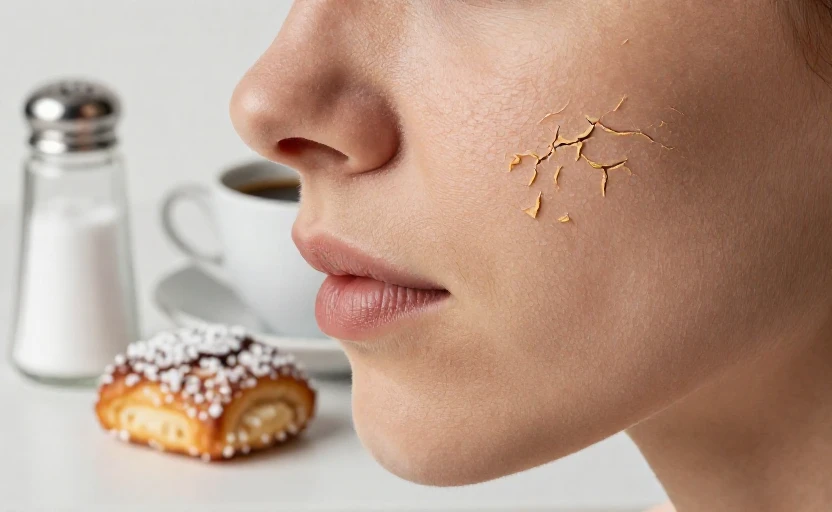
When your skin feels tight, flaky, or rough, your first instinct might be to slather on more moisturizer. But what if the culprit isn't just what you're putting on your skin, but what you're putting in your body? The connection between diet and skin health is complex, but certain foods can subtly influence your skin's ability to retain moisture and maintain its protective barrier.
While dry skin often stems from environmental factors, genetics, or skincare habits, your diet can act as a supporting player—either helping your skin stay supple or, in some cases, making dryness worse. Let's look at three common food categories that might be quietly undermining your efforts for a hydrated complexion.
Highly Processed and Salty Snacks
That bag of chips or serving of frozen pizza might satisfy a craving, but it could be working against your skin. Foods high in sodium—think processed meats, canned soups, fast food, and savory packaged snacks—can disrupt your body's fluid balance.
Excess sodium in your bloodstream pulls water from your cells into your bloodstream to dilute the salt concentration. This process can lead to systemic dehydration, and your skin, being the body's largest organ, often shows the signs first. You might notice increased thirst, but your skin can feel drier and less plump as water is diverted away from tissues.
It's not just the salt shaker; read labels for 'sodium' in bread, condiments, and even sweet baked goods.
Focusing on whole, minimally processed foods and flavoring meals with herbs, spices, and citrus can naturally help keep your sodium intake in a skin-friendly range.
Sugary Foods and Refined Carbohydrates
Pastries, sugary drinks, white bread, and other refined carbs cause a rapid spike in your blood sugar. This triggers a process called glycation, where sugar molecules bind to proteins like collagen and elastin—the very fibers that keep skin firm and springy.
The resulting compounds, known as advanced glycation end products (AGEs), can make these supportive proteins stiff, brittle, and less functional. When skin's infrastructure is damaged, it's harder for it to hold onto moisture effectively. The result? Skin can become more prone to dryness, dullness, and a loss of resilience.
Opting for complex carbohydrates with fiber—like oats, quinoa, sweet potatoes, and whole fruits—helps provide a slower, steadier release of energy without the dramatic blood sugar roller coaster.
Excessive Alcohol and Caffeinated Drinks
Your morning coffee or evening glass of wine isn't inherently bad for your skin, but overconsumption can have a dehydrating effect. Both alcohol and caffeine are diuretics, meaning they prompt your body to lose more fluid through urine.
Alcohol, in particular, suppresses the release of an anti-diuretic hormone (vasopressin), leading to significant fluid loss. This can leave your whole body, including your skin, dehydrated. While moderate caffeine intake isn't typically a major driver of chronic dry skin, relying on multiple strong coffees or energy drinks throughout the day without balancing with plenty of water can contribute to an overall fluid deficit.
Remember, these foods are not 'bad' and don't need to be eliminated entirely. The key is awareness and balance. If you're struggling with persistent dry skin, it can be helpful to look at your diet alongside your skincare routine and environment. Nourishing your skin from the inside with plenty of water, healthy fats from foods like avocados and nuts, and antioxidant-rich fruits and vegetables provides a strong foundation for hydration.
If dietary changes don't improve your skin, or if your dryness is severe, consulting a dermatologist or a registered dietitian can help you identify personalized solutions.