
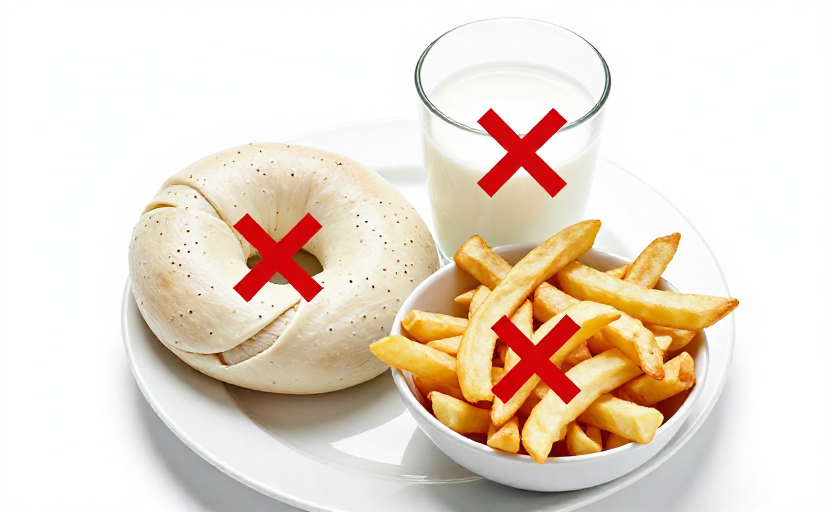
If you've been dealing with persistent breakouts and excess shine, you might already have a solid skincare routine. But what you're putting on your plate could be sabotaging your progress. Dietitians point to three common foods that can aggravate oily, acne-prone skin — and cutting back on them might be the missing piece in your clear-skin puzzle.
This isn't about a strict elimination diet or chasing 'perfect' eating. It's about understanding which foods have been shown to bump up oil production and inflammation, and then making small, sustainable swaps that support your skin without making you miserable.
1. High-Glycemic, Sugary Foods
Think white bread, sugary cereals, pastries, chips, and soda. These foods spike your blood sugar quickly, which triggers a surge in insulin. High insulin levels can ramp up your skin's oil production and lead to clogged pores, creating the perfect environment for acne.
Instead of reaching for a bagel or a sugary latte for breakfast, try a balanced option like eggs with avocado or a smoothie with protein and healthy fats. Your skin (and your energy levels) will thank you for the steadier blood sugar.
Tip from dietitians: Pairing a carbohydrate with protein or healthy fat can blunt the blood sugar spike. For example, have an apple with almond butter instead of apple juice.
2. Dairy Products
Dairy is a well-known trigger for many people with acne-prone skin. The connection likely involves hormones present in milk (even organic milk) that can influence your body's own hormone signaling, including oil production. Skim milk seems to be a particular problem, possibly because processing alters the hormone balance.
That doesn't mean you need to cut out all dairy forever. Start by observing what happens when you swap cow's milk for unsweetened almond or oat milk in your coffee and cereal for a couple of weeks. Some people find that cutting back on cheese or yogurt also helps.
- Try this: Replace milk with a plant-based alternative in your morning coffee.
- Watch out for: Hidden dairy in protein powders, granola bars, or creamy salad dressings.
3. Foods Rich in Inflammatory Fats
What's the ratio of omega-6 to omega-3 fats in your diet? A typical Western diet is heavy on omega-6s (found in vegetable oils like soybean and corn oil, plus many processed snacks and fried foods). Too many omega-6s, without enough anti-inflammatory omega-3s (found in walnuts, flaxseeds, and fatty fish), can dial up inflammation throughout the body — and that includes your skin.
This doesn't mean you should fear cooking oils. Instead, think about balancing your fat sources. Cook more often with olive or avocado oil, snack on a handful of walnuts, and try to eat salmon or sardines twice a week. Reducing deep-fried foods and packaged snacks automatically shifts your fat balance in a skin-friendly direction.
A quick reality check: food is just one piece of the acne puzzle. Genetics, stress, hormones, and your skincare routine all play major roles. No single food causes a breakout in everyone. The most helpful approach is to notice how your own skin reacts and make gradual changes that feel doable for your lifestyle.
If you decide to experiment with cutting back on these three food groups, give it at least two to four weeks to see a difference in oiliness and breakouts. And if you have a complicated relationship with food, or if acne is severe, consider speaking with a registered dietitian or a dermatologist who can personalize a plan for you.