If you're navigating the world of oily skin, you've likely tried countless topical solutions. While a good skincare routine is essential, what you put on your plate can be just as influential for your complexion. The connection between diet and skin health is a growing area of interest, with certain foods offering nutrients that may help regulate sebum production and support a clearer, more balanced appearance.
We spoke with dietitians to understand the science behind food and skin, focusing on three specific food groups that show promise for managing oily skin. This isn't about restrictive dieting or miracle cures, but about incorporating nourishing, whole foods that support your skin from the inside out.
How Does Diet Actually Affect Oily Skin?
Sebum, the oily substance produced by your sebaceous glands, is vital for keeping your skin hydrated and protected. Problems arise when these glands go into overdrive. While genetics and hormones are primary drivers, research suggests diet can play a supporting role. Certain foods may influence inflammation, hormone levels, and the health of your skin cells, all of which can impact how much oil your skin produces.
Think of your diet as foundational support for your skin. Topical products work on the surface, but the right foods help build healthier skin from the ground up.
It's important to approach this with realistic expectations. No single food will "cure" oily skin overnight. Instead, consistent, long-term dietary patterns that focus on whole, anti-inflammatory foods can create an internal environment where your skin is better equipped to find its natural balance.
1. Omega-3 Rich Fatty Fish
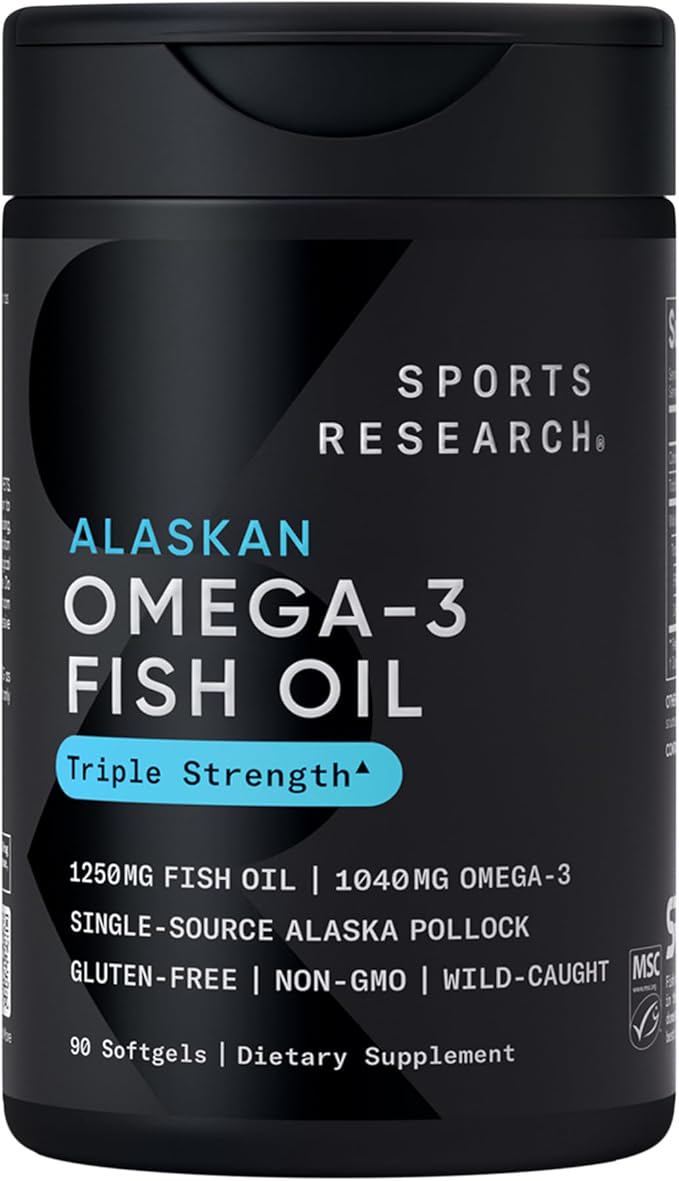
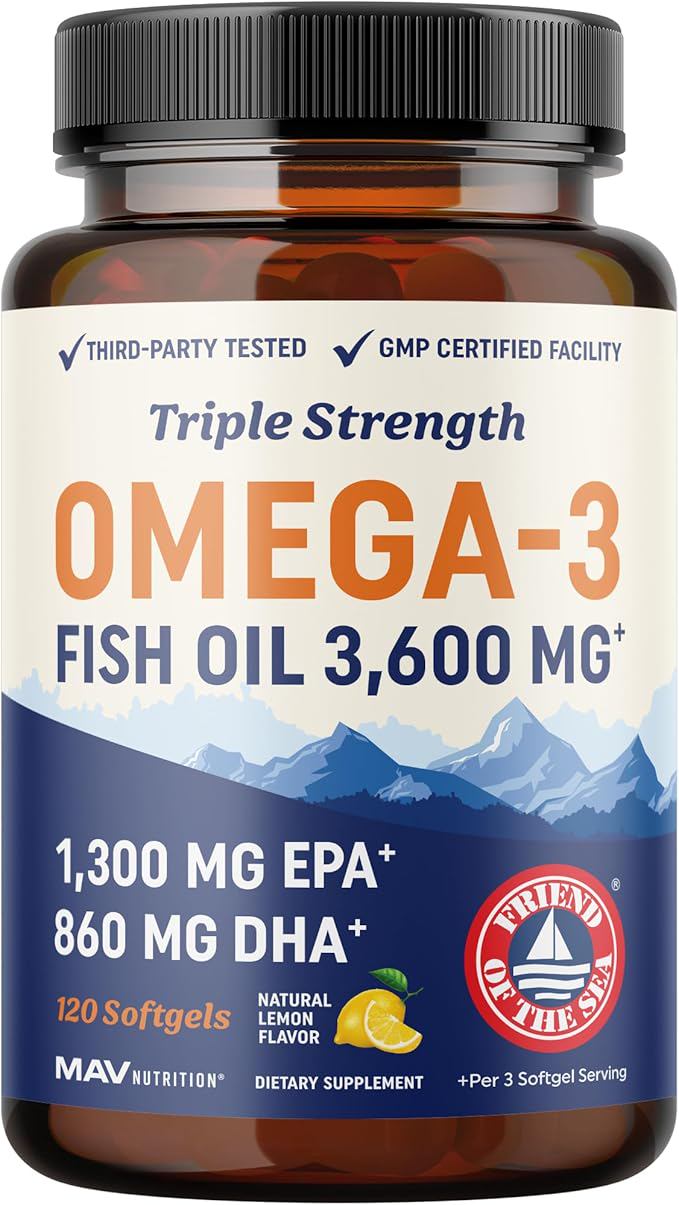
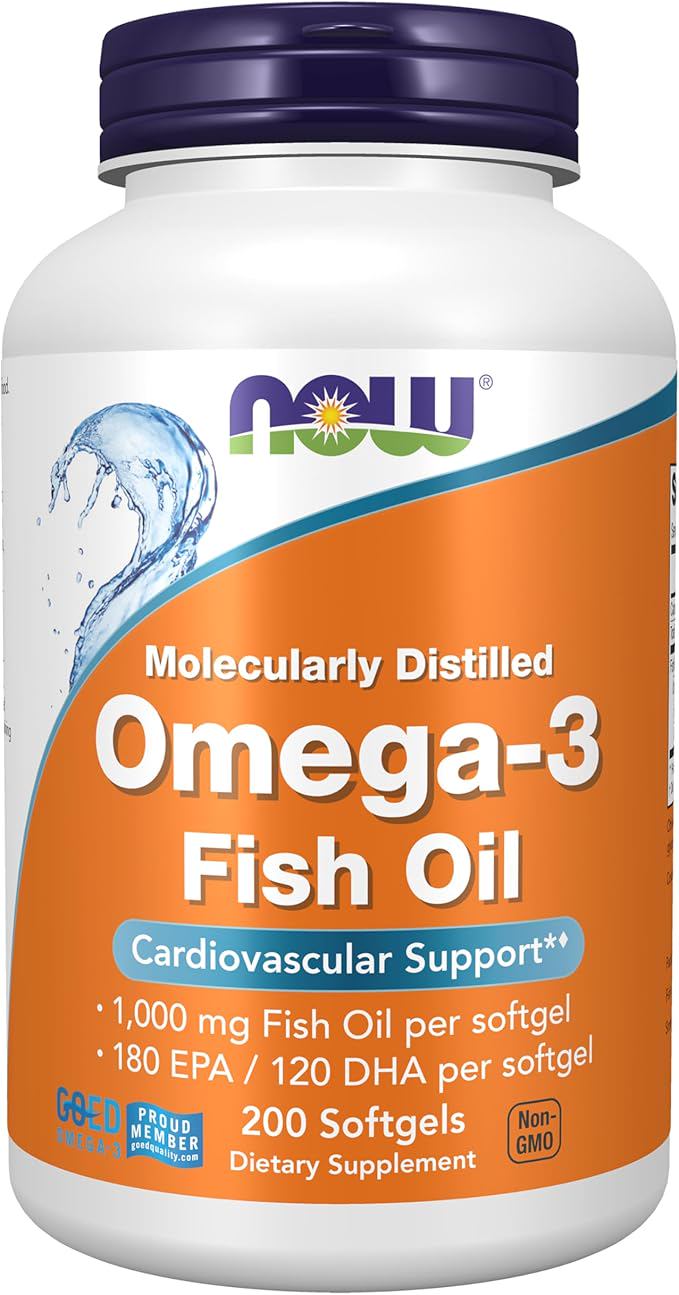
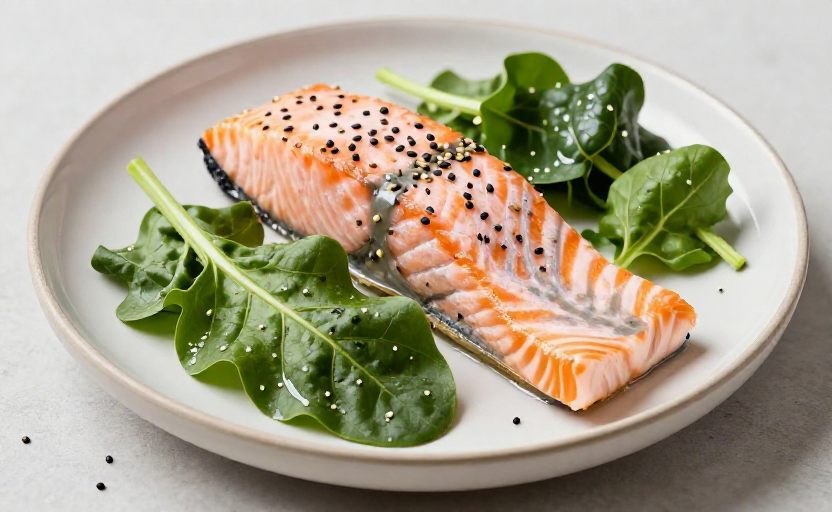
Fatty fish like salmon, mackerel, sardines, and herring are powerhouse sources of omega-3 fatty acids, specifically EPA and DHA. These are potent anti-inflammatory agents. Since oily skin is often accompanied by inflammation (think redness and acne), incorporating omega-3s can help calm this internal fire.
How it may help: Chronic, low-grade inflammation can signal your sebaceous glands to produce more oil. By reducing systemic inflammation, omega-3s may indirectly help moderate sebum production. Furthermore, these healthy fats contribute to strong, flexible cell membranes, supporting the skin's barrier function. A robust skin barrier is better at retaining moisture, which can, in turn, signal your skin that it doesn't need to overcompensate with excess oil.
Dietitian tip: Aim to include a serving of fatty fish in your meals 2-3 times per week. Not a fan of fish? Other sources of omega-3s include walnuts, chia seeds, and flaxseeds, though the conversion of these plant-based ALA to the active EPA and DHA in the body is less efficient.
2. Colorful Fruits and Vegetables (Especially Leafy Greens)
This is a broad but critical category. Vibrantly colored produce is loaded with antioxidants—vitamins, minerals, and phytochemicals that combat oxidative stress. Oxidative damage from factors like pollution and UV rays can impair skin function and contribute to inflammation.
Key players for oily skin:
- Leafy greens (spinach, kale, Swiss chard): Packed with skin-loving vitamins like A, C, and E. Vitamin A, in particular, is involved in the regulation of skin cell turnover and sebum production.
- Orange and red produce (carrots, sweet potatoes, bell peppers): Rich in beta-carotene, which your body converts to vitamin A.
- Berries (blueberries, strawberries, raspberries): High in vitamin C and other antioxidants that support collagen production and protect skin cells.
These foods also tend to have a high water content, contributing to overall hydration. Well-hydrated skin is less likely to trigger excessive oil production as a compensatory mechanism.
3. Zinc-Rich Foods
Zinc is a mineral that wears many hats in skin health. It possesses anti-inflammatory properties, helps regulate the production of androgens (hormones that can stimulate oil glands), and supports wound healing—beneficial for healing acne blemishes.
Studies have observed that people with acne often have lower levels of zinc in their blood and skin compared to those with clear skin. While correlation isn't causation, it highlights zinc's importance.
Excellent food sources of zinc include:
- Pumpkin seeds (pepitas)
- Lentils and chickpeas
- Cashews and almonds
- Shellfish like oysters and crab
- Lean beef and poultry (in moderation)
Incorporating a handful of pumpkin seeds into a salad or choosing lentil soup for lunch are simple ways to boost your zinc intake through whole foods.
Foods to Be Mindful Of
While adding supportive foods is key, it's also helpful to be aware of dietary patterns that might exacerbate oiliness for some individuals. The evidence is mixed and highly individual, but common triggers include:
- High-glycemic foods: Sugary snacks, white bread, and processed cereals can cause rapid spikes in blood sugar and insulin. This cascade may influence androgen activity and inflammation, potentially worsening oil production and acne for some people.
- Dairy: Some studies suggest a link between dairy consumption—particularly skim milk—and increased acne severity, possibly due to hormones and growth factors present in milk. This connection isn't universal, but if you struggle with persistent oily skin and acne, it may be worth discussing with a dietitian or dermatologist.
The goal isn't elimination out of fear, but mindful observation. Notice how your skin feels after different meals. Keeping a simple food and skin journal for a few weeks can reveal personal patterns that are more valuable than any blanket rule.
A Balanced Approach is Everything
Focusing on these three food groups—fatty fish, colorful produce, and zinc-rich options—is about building a nutrient-dense dietary pattern. There's no need for perfection. Start by adding one serving of leafy greens to your daily meals, swapping a snack for a handful of nuts and berries, or enjoying salmon for dinner twice this month.
Remember, managing oily skin is multifaceted. A balanced diet works in concert with a consistent skincare routine tailored to your skin type, adequate hydration, stress management, and quality sleep. If oily skin is severe or causing significant distress, consulting a dermatologist and a registered dietitian can provide personalized guidance for your unique needs.