If your skin feels like a map of different climates—oily in some zones, parched in others—you know the frustration. This combination skin can make finding the right topical products feel like a guessing game. But what if the most effective balancing act started not in your skincare cabinet, but in your kitchen? The foods you eat provide the foundational building blocks for your skin’s health, influencing its hydration, oil production, and overall resilience.
Nutritional support works from the inside out, addressing the root causes of imbalance rather than just the surface symptoms. By incorporating specific, skin-friendly foods, you can nourish your complexion toward a more even, comfortable state.
How does diet influence oily and dry skin?
Your skin is a reflection of your internal health. Its condition is governed by factors like hydration levels, hormone balance, inflammation, and the integrity of the skin barrier—the protective outer layer that locks in moisture and keeps irritants out. When this barrier is compromised, often due to deficiencies in key nutrients, moisture escapes easily, leading to dryness. At the same time, the body may overcompensate by producing more oil (sebum), leading to shiny, oily patches.
Food provides the essential fatty acids, antioxidants, vitamins, and minerals needed to repair this barrier, regulate sebum production, and combat the inflammation that can exacerbate both dryness and oiliness. Think of it as providing your skin with the right raw materials to build itself properly.
Foods to help balance your skin
While a consistently healthy, whole-foods diet is the ultimate goal, certain foods are particularly adept at addressing the dual challenges of combination skin.
1. Avocados
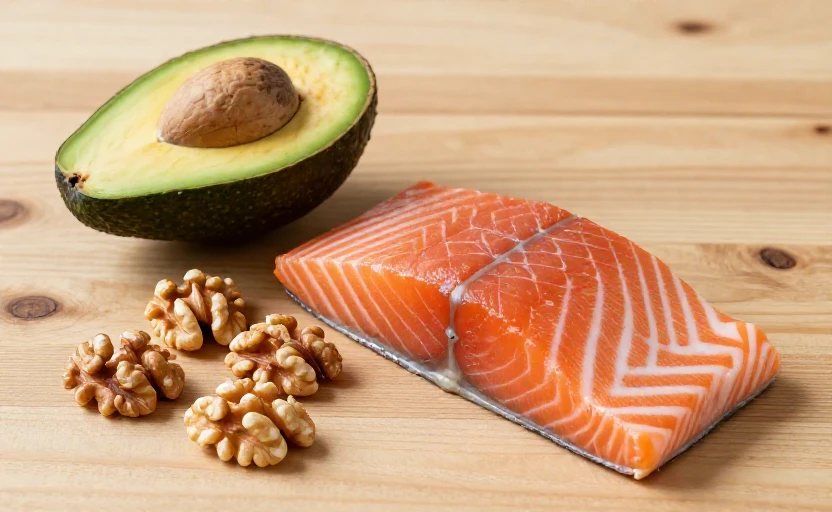
Avocados are a powerhouse for combination skin because they tackle both sides of the equation. They are rich in monounsaturated fats and oleic acid, which help fortify the skin’s lipid barrier. A stronger barrier means better moisture retention in dry areas.
Simultaneously, these healthy fats have anti-inflammatory properties. By calming underlying inflammation, they can help moderate the overproduction of sebum that leads to oiliness. Avocados are also packed with vitamins E and C, antioxidants that protect skin cells from damage and support collagen production for a plump, smooth texture.
Try adding a few slices to salads, blending them into smoothies, or simply enjoying one with a sprinkle of salt and pepper as a snack.
2. Fatty Fish (like Salmon, Mackerel, and Sardines)
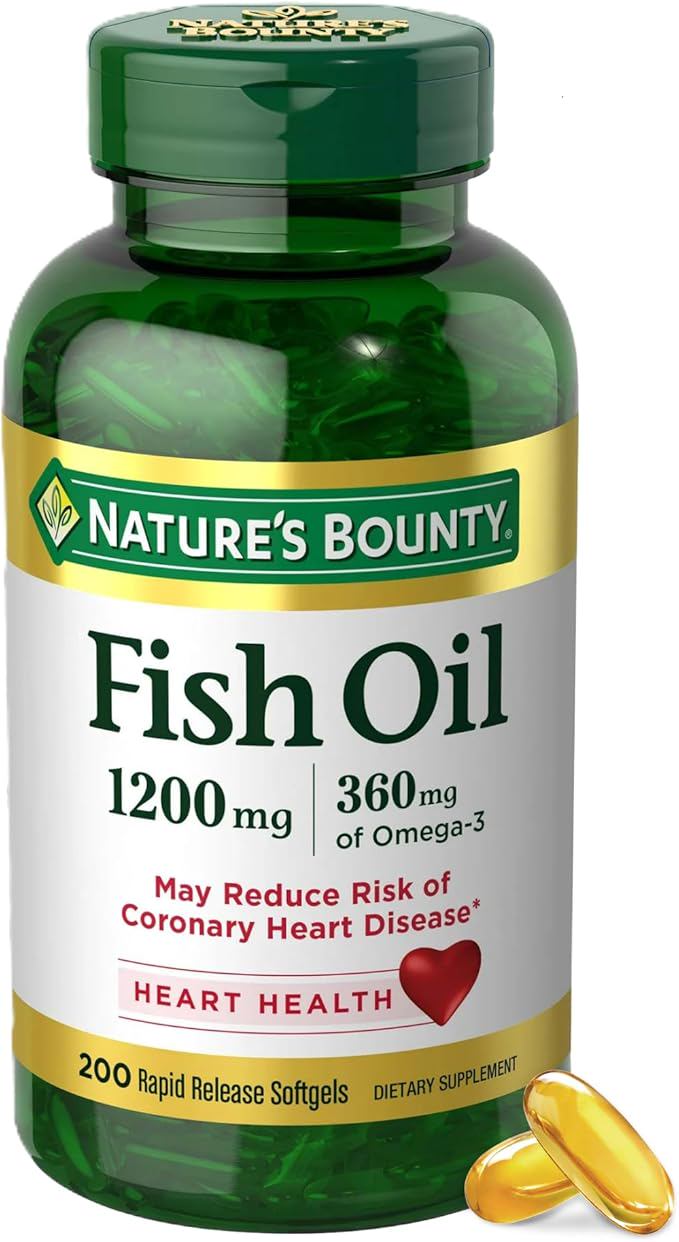
Fatty fish are one of the best direct sources of omega-3 fatty acids, specifically EPA and DHA. These fats are critical for managing skin hydration and oil production. They are potent anti-inflammatories, helping to quiet the signals that can trigger excess oil and redness.
Omega-3s also contribute to a robust skin barrier, preventing transepidermal water loss that causes flakiness and tightness. For skin that’s both prone to dryness and breakouts, the anti-inflammatory action of omega-3s can be particularly beneficial. These fish also provide protein for repair and vitamin D, which plays a role in skin cell metabolism.
Aim to include a serving of fatty fish in your meals two to three times per week.
3. Walnuts
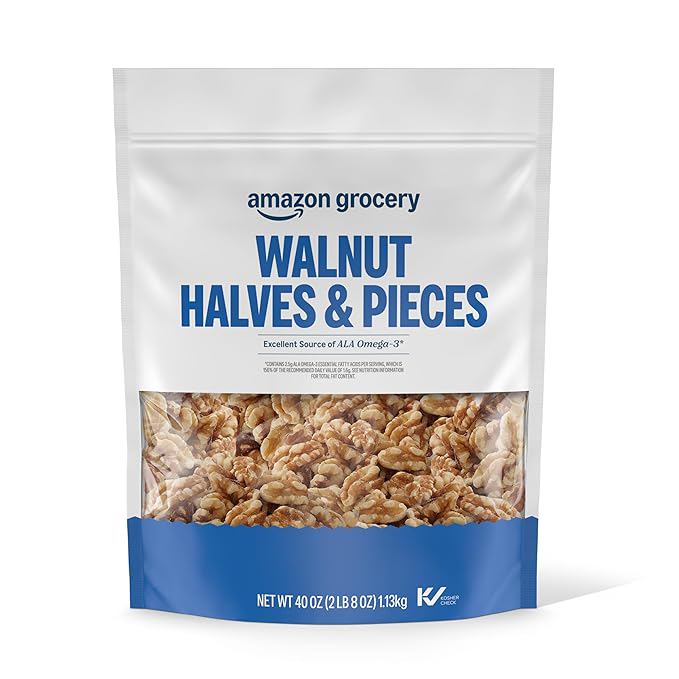
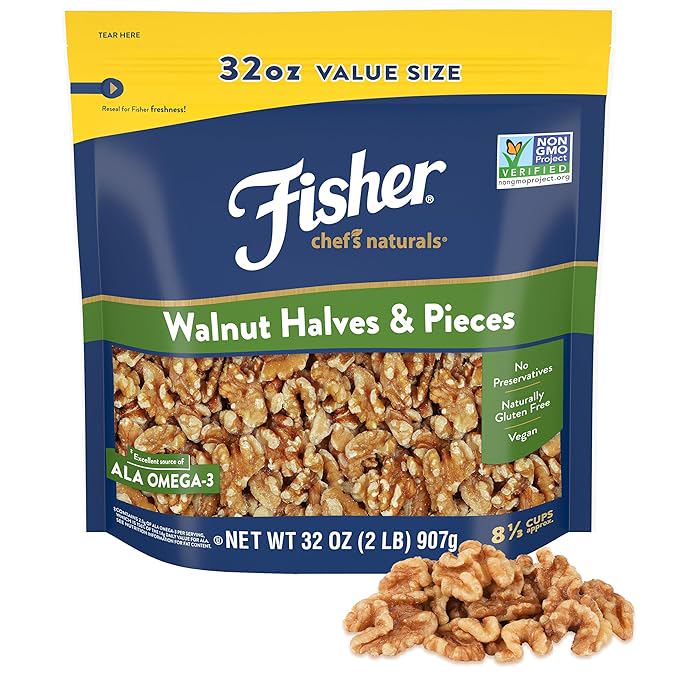
Walnuts offer a unique nutritional profile for skin balance. They contain a good ratio of both omega-3 and omega-6 fatty acids (in the form of ALA), helping to support skin barrier function and modulate inflammation. They are also a top plant-based source of zinc, a mineral crucial for skin healing, regulating oil gland activity, and controlling inflammation.
Zinc deficiency has been linked to increased skin oiliness and acne. Furthermore, walnuts provide antioxidants like vitamin E and polyphenols that protect skin cells. A small handful as a daily snack, tossed into oatmeal, or sprinkled on a salad can contribute meaningful nutrients.
Remember, nuts are calorie-dense, so a small portion is sufficient.
Supporting your skin from the inside
While focusing on these three foods, consider the broader context of your diet for lasting balance.
- Stay Hydrated: Water is fundamental. Dehydrated skin can overproduce oil while still feeling tight and dry. Herbal teas and water-rich foods like cucumbers and watermelon also contribute to your fluid intake.
- Be Mindful of Triggers: For some people, high-glycemic foods (like sugary snacks, white bread, and pasta) and dairy can spike insulin levels and inflammation, potentially worsening oiliness and breakouts. Pay attention to how your skin responds after consuming them.
- Embrace Color: A variety of colorful fruits and vegetables provides a spectrum of antioxidants (like vitamins A, C, and E) that combat oxidative stress, a contributor to skin imbalance and aging.
It’s important to have realistic expectations. Dietary changes support skin health over weeks and months, not overnight. They work in concert with a gentle, consistent skincare routine—think mild cleansers, non-comedogenic moisturizers, and daily sunscreen—for comprehensive care.
If you have severe acne, persistent dryness, or other skin concerns, consulting a dermatologist or registered dietitian can help you create a personalized plan. For most, however, nourishing your skin with foods like avocado, fatty fish, and walnuts is a simple, foundational step toward a more balanced, comfortable complexion.